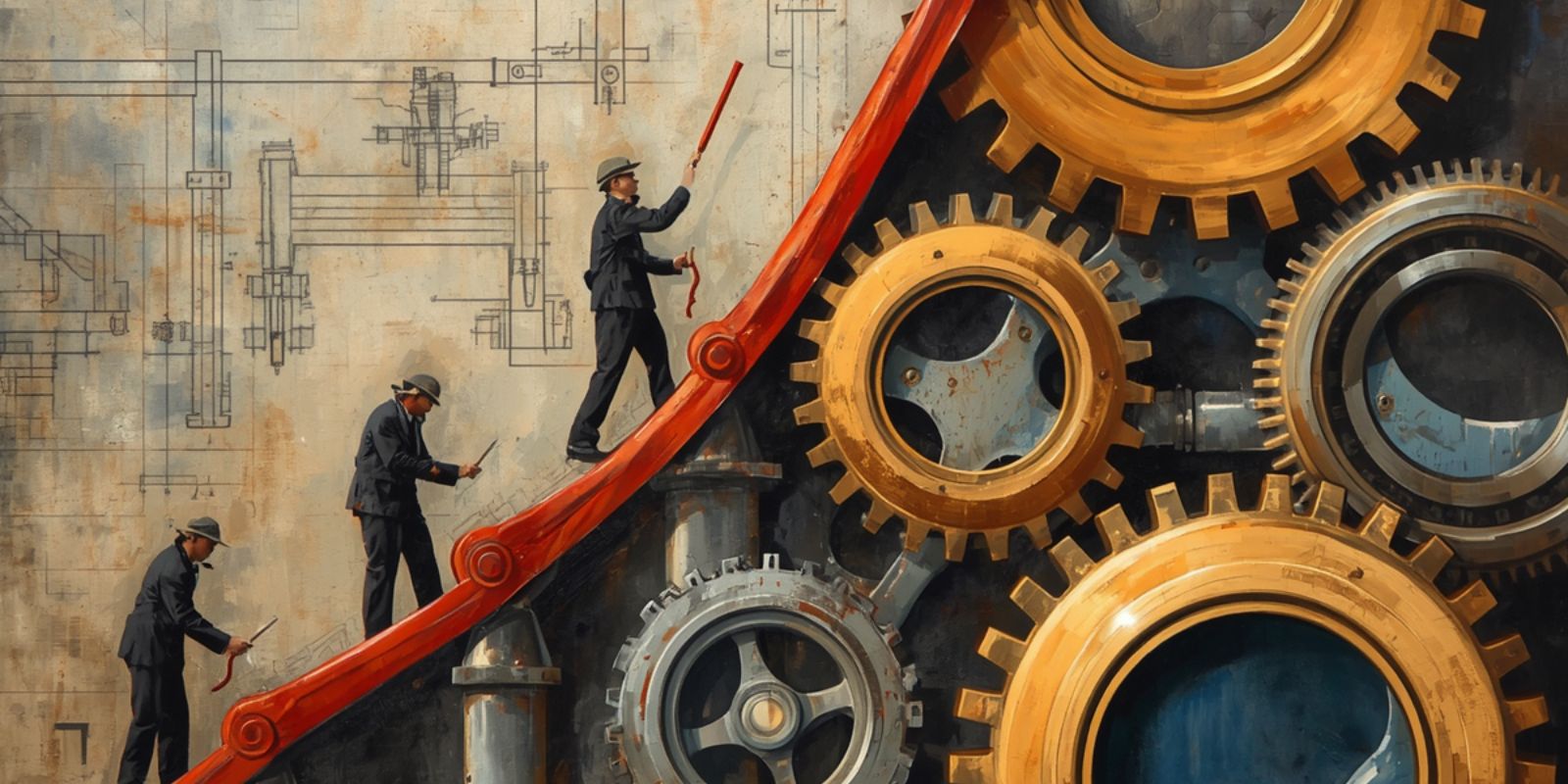
In today’s competitive industrial landscape, scaling manufacturing operations is no longer just about expanding facilities or investing in advanced machinery. The real driver of sustainable growth lies in people. Manufacturing talent strategies for scale have become a critical focus for organizations aiming to increase output, maintain quality, and remain agile in the face of evolving market demands.
As production volumes grow and technologies advance, manufacturers must ensure they have the right talent in place—at the right time and in the right roles. Without a structured talent strategy, rapid expansion can lead to skills gaps, productivity losses, and rising operational costs. This article explores how manufacturing leaders can design and implement effective talent strategies that support scalable growth while maintaining efficiency and workforce stability.
Why Talent Strategy Matters in Manufacturing Scale
Scaling manufacturing operations introduces complexity across every function—from production and maintenance to quality control and supply chain management. A strong talent strategy ensures that workforce growth aligns with operational goals rather than becoming a bottleneck.
Manufacturing environments demand specialized skills, compliance with safety standards, and consistency in output. When talent planning is reactive instead of strategic, companies face high turnover, prolonged vacancies, and reduced efficiency. By focusing on proactive talent strategies, manufacturers can build resilient teams capable of supporting expansion without compromising performance.
Aligning Workforce Planning with Growth Objectives
One of the foundations of manufacturing talent strategies for scale is aligning workforce planning with business growth goals. Expansion plans should be supported by detailed forecasts of labor requirements, skills needs, and production timelines.
Manufacturers must assess which roles are critical to scaling—such as machine operators, maintenance technicians, quality inspectors, and production supervisors. Strategic workforce planning helps organizations anticipate demand, reduce hiring delays, and allocate resources efficiently. This alignment ensures that workforce growth supports operational scale rather than reacting to it.
Building a Scalable Talent Pipeline
A scalable manufacturing operation depends on a consistent pipeline of skilled talent. Relying solely on last-minute hiring can disrupt production schedules and increase recruitment costs. Instead, manufacturers should focus on developing long-term talent pipelines.
This includes partnerships with technical institutes, apprenticeship programs, and workforce development agencies. By nurturing relationships with talent sources, manufacturers gain access to pre-qualified candidates who are trained to meet industry standards. A reliable pipeline allows companies to scale quickly while maintaining workforce quality and continuity.
Investing in Skill Development and Upskilling
As manufacturing processes evolve, workforce skills must evolve alongside them. Automation, digital manufacturing, and advanced machinery require new competencies that traditional training may not cover. Investing in skill development is essential for scalable growth.
Upskilling existing employees not only fills skills gaps but also boosts morale and retention. When employees see clear development pathways, they are more engaged and committed to organizational goals. Continuous training programs help manufacturers adapt to technological changes while reducing dependency on external hiring.
Flexible Hiring Models for Manufacturing Scale
Rigid hiring structures can limit a manufacturer’s ability to scale efficiently. Flexible hiring models offer a strategic advantage by allowing organizations to adjust workforce size based on production demand.
Contract staffing, temporary workforce solutions, and project-based hiring can support peak production periods without long-term cost burdens. These models provide agility while maintaining operational stability. When integrated into a broader talent strategy, flexible hiring becomes a powerful tool for scaling manufacturing operations sustainably.
Retention Strategies That Support Growth
Scaling is not just about hiring more people—it’s about keeping the right people. High attrition during expansion can disrupt workflows, increase training costs, and slow productivity gains. Effective manufacturing talent strategies prioritize retention alongside recruitment.
Clear career progression, competitive compensation, safe working conditions, and employee engagement initiatives play a vital role in retaining skilled workers. When experienced employees stay, they provide stability, mentor new hires, and contribute to consistent operational performance during growth phases.
Leadership Development for Scalable Manufacturing
As manufacturing operations scale, leadership demands increase across all levels. Supervisors, team leads, and managers must be equipped to handle larger teams, complex workflows, and performance pressures.
Developing leadership talent internally ensures continuity and alignment with organizational culture. Strong leadership supports workforce motivation, productivity, and compliance with quality standards. Leadership development programs are a key component of talent strategies that enable manufacturing scale without operational strain.
Leveraging Technology in Talent Management
Technology plays an increasingly important role in managing a growing manufacturing workforce. Digital tools for workforce planning, recruitment, training, and performance management improve efficiency and visibility.
Manufacturers can use data-driven insights to forecast workforce needs, track skill gaps, and optimize hiring decisions. Technology-enabled talent management ensures that scaling efforts are informed, efficient, and aligned with production goals.
Ensuring Compliance and Safety at Scale
As teams grow, maintaining compliance and safety standards becomes more challenging. Manufacturing talent strategies must integrate safety training and regulatory compliance into every stage of workforce expansion.
Well-trained employees reduce workplace incidents, downtime, and legal risks. Embedding safety into onboarding and continuous training programs ensures that growth does not compromise workplace standards. Compliance-focused talent strategies protect both employees and the organization during scale.
Measuring Talent Strategy Effectiveness
To ensure long-term success, manufacturers must continuously evaluate the effectiveness of their talent strategies. Metrics such as time-to-hire, employee retention, productivity levels, and training outcomes provide valuable insights.
Regular assessment allows organizations to refine their approach, address gaps, and adapt to changing business needs. Measuring outcomes ensures that talent strategies remain aligned with scalable manufacturing goals.
Conclusion
Manufacturing talent strategies for scale are no longer optional—they are essential for sustainable growth in an increasingly competitive industrial environment. By aligning workforce planning with business objectives, investing in skill development, adopting flexible hiring models, and focusing on retention and leadership development, manufacturers can scale confidently and efficiently.