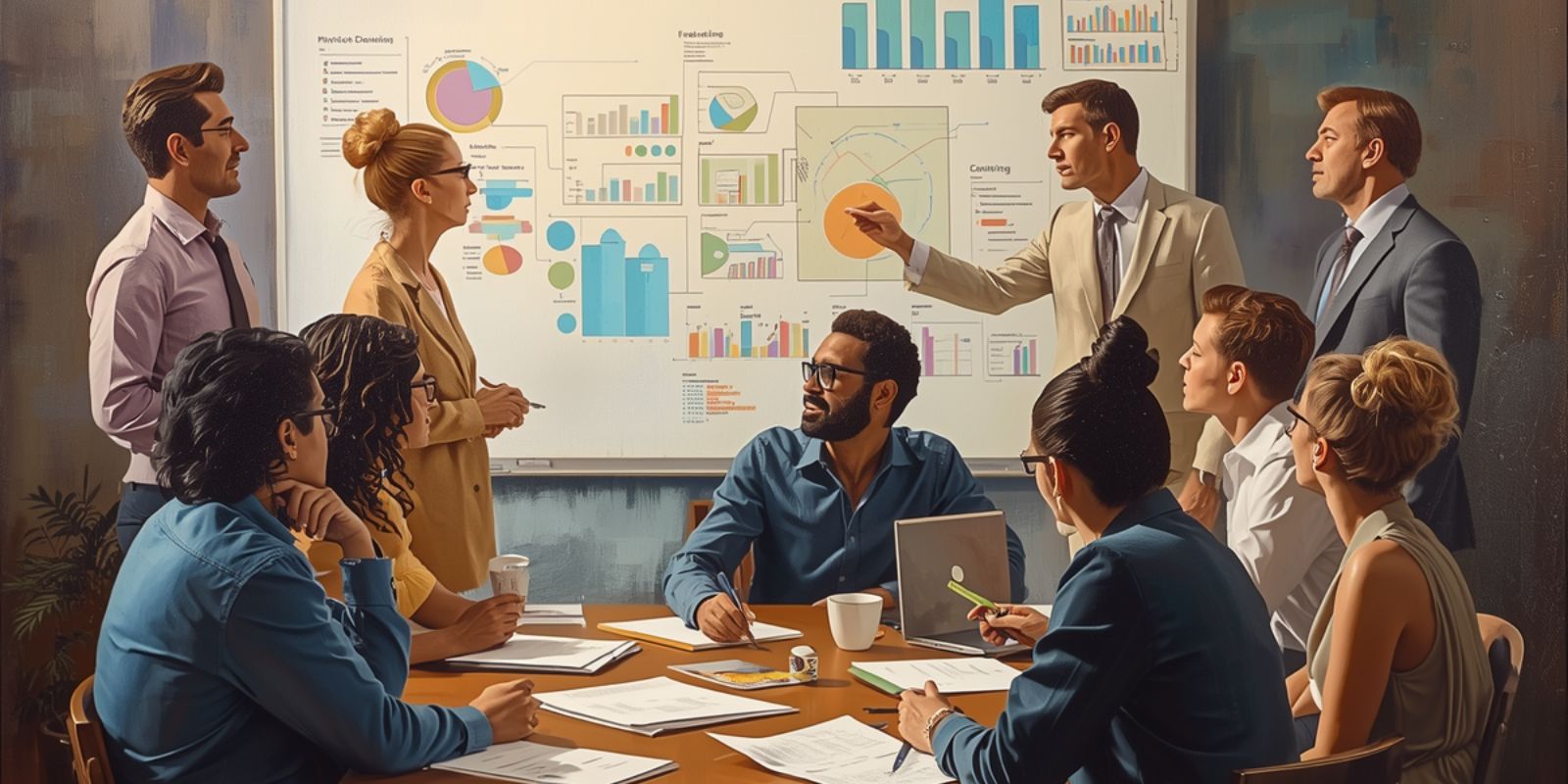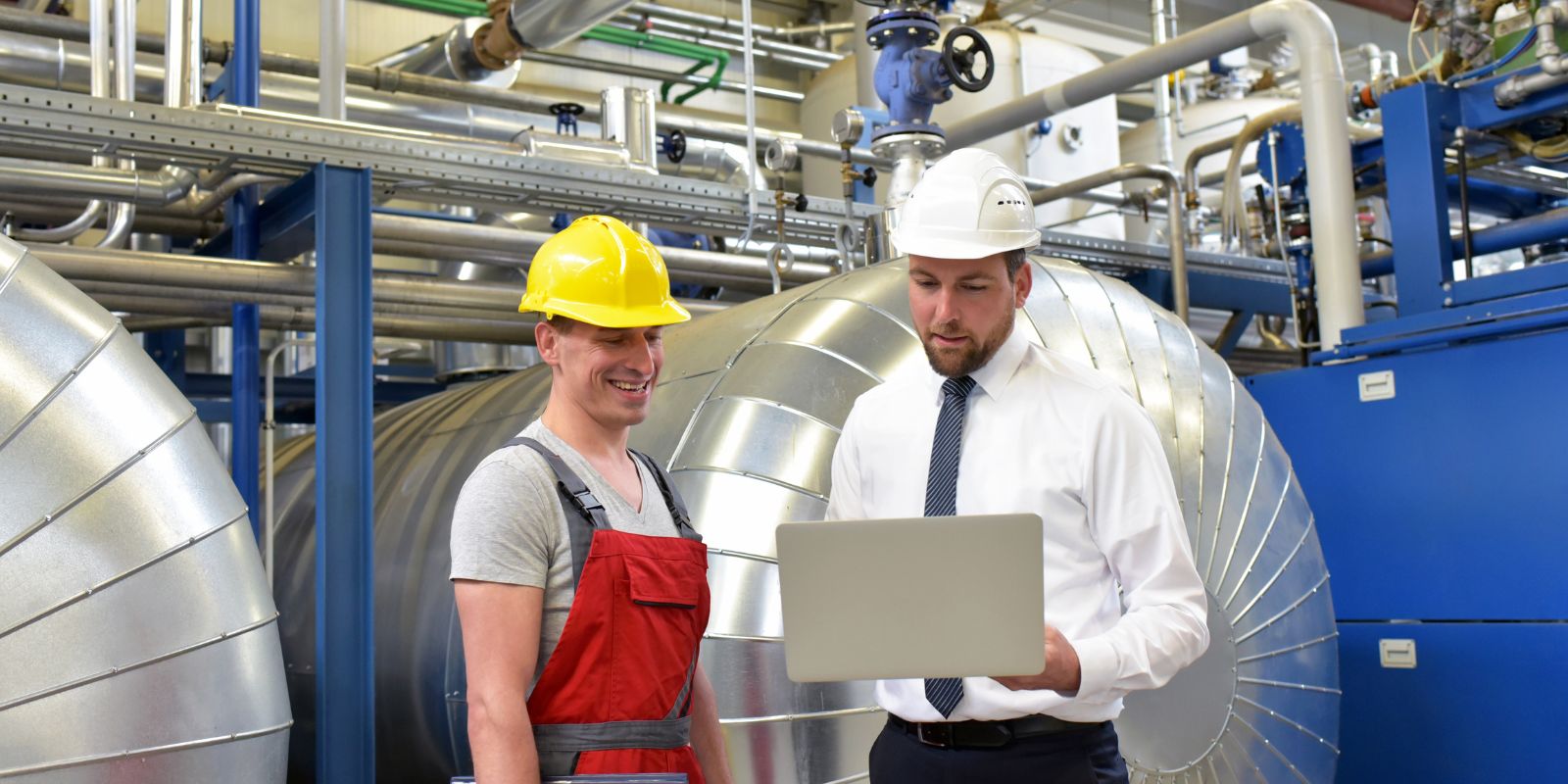
In today’s competitive and rapidly evolving industrial landscape, maintaining uninterrupted production is critical for every manufacturing organization. From supply chain disruptions to sudden workforce shortages, many challenges can affect a company’s ability to maintain smooth operations. This is where manufacturing staffing for business continuity plays a vital role. Having the right workforce strategy ensures that production lines continue to run efficiently, even during uncertain times.
Business continuity in manufacturing is not just about having backup machines or alternative suppliers; it is equally about ensuring the availability of skilled manpower at the right time. A well-planned staffing solution helps companies stay resilient, reduce downtime, and maintain consistent productivity.
Understanding Business Continuity in Manufacturing
Business continuity refers to an organization’s ability to maintain essential functions during and after disruptions. In the manufacturing sector, disruptions can occur due to several factors such as labor shortages, equipment failures, supply chain issues, or unexpected emergencies.
For manufacturers, workforce availability is one of the most critical components of operational continuity. If skilled workers are unavailable, production lines may stop, deadlines may be missed, and financial losses can occur.
Manufacturing staffing solutions address these challenges by providing trained professionals who can support production, quality control, logistics, and maintenance activities. With the right staffing partner, businesses can ensure that workforce gaps do not interrupt production.
Importance of Manufacturing Staffing for Business Continuity
A strong staffing strategy ensures that organizations can quickly respond to workforce demands and maintain productivity. Here are some key reasons why manufacturing staffing is essential for business continuity.
1. Managing Workforce Fluctuations
Manufacturing industries often experience fluctuations in workforce requirements due to seasonal demand, new product launches, or expansion projects. Temporary or contract staffing allows companies to adjust their workforce without affecting operational efficiency.
By hiring skilled workers through staffing agencies, companies can maintain production levels even when internal resources are limited.
2. Reducing Downtime
Downtime in manufacturing can be extremely costly. A lack of trained workers can delay production schedules and disrupt supply chains.
Staffing solutions help companies quickly fill critical positions such as machine operators, technicians, quality inspectors, and production supervisors. This ensures that operations continue smoothly without interruptions.
3. Access to Skilled Talent
Modern manufacturing requires specialized skills in areas such as automation, robotics, and quality control. Finding the right talent can be time-consuming and challenging.
Professional staffing services maintain a large talent pool of trained candidates who are ready to join production teams. This helps businesses quickly access the expertise they need.
4. Faster Hiring Process
Traditional recruitment processes can take weeks or even months. However, manufacturing operations often require immediate workforce support.
Staffing providers streamline the hiring process by pre-screening candidates, verifying qualifications, and ensuring they are ready for deployment. This significantly reduces hiring time.
5. Risk Management
Unexpected events such as employee turnover, illness, or emergencies can impact workforce availability. Having a staffing partner ensures that replacement workers are available when needed.
This proactive approach reduces operational risks and strengthens business continuity planning.
Key Roles in Manufacturing Staffing
Manufacturing staffing solutions cover a wide range of roles across production and operations. Some of the most common positions include:
Production Workers
They handle assembly, packaging, and manufacturing tasks on the production floor.
Machine Operators
Responsible for operating and maintaining manufacturing equipment.
Quality Inspectors
Ensure that products meet quality standards and specifications.
Maintenance Technicians
Handle machine repairs, preventive maintenance, and equipment troubleshooting.
Warehouse Staff
Manage inventory, logistics, and material handling.
Production Supervisors
Oversee production teams and ensure operational efficiency.
By filling these roles quickly, staffing agencies help manufacturing companies maintain uninterrupted operations.
Flexible Staffing Models for Manufacturers
Different staffing models help organizations meet varying operational needs. Choosing the right model ensures better workforce management and business continuity.
Temporary Staffing
Temporary workers support short-term projects or seasonal production increases. This model helps manufacturers manage sudden demand without long-term hiring commitments.
Contract Staffing
Contract staffing provides skilled professionals for specific projects or technical roles. These employees work for a defined period based on project requirements.
Permanent Staffing
Permanent staffing focuses on recruiting full-time employees for long-term roles within the organization.
On-Site Workforce Management
Some staffing providers offer on-site workforce management services where they manage the entire workforce at the manufacturing facility. This includes scheduling, attendance tracking, and workforce coordination.
Benefits of Partnering with a Manufacturing Staffing Agency
Working with a specialized staffing agency provides several advantages for manufacturers.
Expertise in Industrial Hiring
Staffing agencies understand the requirements of manufacturing industries. They know how to identify candidates with the right technical skills and production experience.
Large Candidate Network
Staffing firms maintain a wide database of skilled workers, enabling faster recruitment.
Compliance and Documentation
Industrial hiring involves several legal and regulatory requirements. Staffing providers manage documentation, labor compliance, and payroll processes.
Cost Efficiency
Outsourcing recruitment reduces hiring costs and administrative workload for companies.
Workforce Scalability
Manufacturers can quickly scale their workforce up or down depending on production demand.
Technology in Manufacturing Staffing
Technology is transforming how staffing solutions support manufacturing operations. Modern recruitment platforms use digital tools to identify suitable candidates quickly.
Some technologies used in manufacturing staffing include:
Applicant Tracking Systems (ATS)
Help manage large volumes of job applications efficiently.
AI-Based Candidate Screening
Improves candidate matching based on skills and experience.
Digital Workforce Management Tools
Assist in tracking attendance, shift management, and workforce performance.
These technologies enable faster recruitment and better workforce planning.
Workforce Training and Skill Development
To maintain business continuity, manufacturers must ensure that workers are properly trained. Staffing agencies often provide pre-employment training programs to prepare candidates for industrial roles.
Training may include:
- Machine operation safety
- Quality standards and inspection techniques
- Workplace safety protocols
- Basic technical skills
- Production workflow understanding
Well-trained employees can quickly adapt to production environments and maintain operational efficiency.
Building a Resilient Manufacturing Workforce
A resilient workforce is essential for long-term business success. Manufacturers can strengthen workforce resilience by adopting the following strategies:
Workforce Planning
Identify future workforce needs based on production forecasts.
Cross-Training Employees
Train workers in multiple roles to ensure operational flexibility.
Strong Staffing Partnerships
Collaborate with reliable staffing agencies for quick workforce support.
Employee Engagement
Create a positive work environment to improve retention and productivity.
Continuous Skill Development
Invest in training programs to keep employees updated with modern manufacturing technologies.
Future of Manufacturing Staffing
The manufacturing industry is rapidly evolving with automation, digitalization, and smart factories. As technology advances, workforce requirements are also changing.
Future staffing strategies will focus on:
- Recruiting workers with technical and digital skills
- Integrating automation with human expertise
- Using data-driven workforce planning
- Enhancing workforce flexibility through contract staffing
Manufacturing companies that adopt modern staffing strategies will be better prepared to handle disruptions and maintain business continuity.
Conclusion
Manufacturing staffing for business continuity is an essential strategy for companies that want to maintain stable and efficient operations. Workforce shortages, unexpected disruptions, and changing production demands can significantly impact manufacturing productivity.
By partnering with experienced staffing providers, manufacturers can access skilled workers, reduce downtime, and maintain operational stability. Flexible staffing models, modern recruitment technologies, and effective workforce planning help organizations stay resilient in a competitive industrial environment.
Ultimately, a strong staffing strategy ensures that manufacturing companies can continue delivering high-quality products, meeting customer demands, and sustaining long-term business growth.