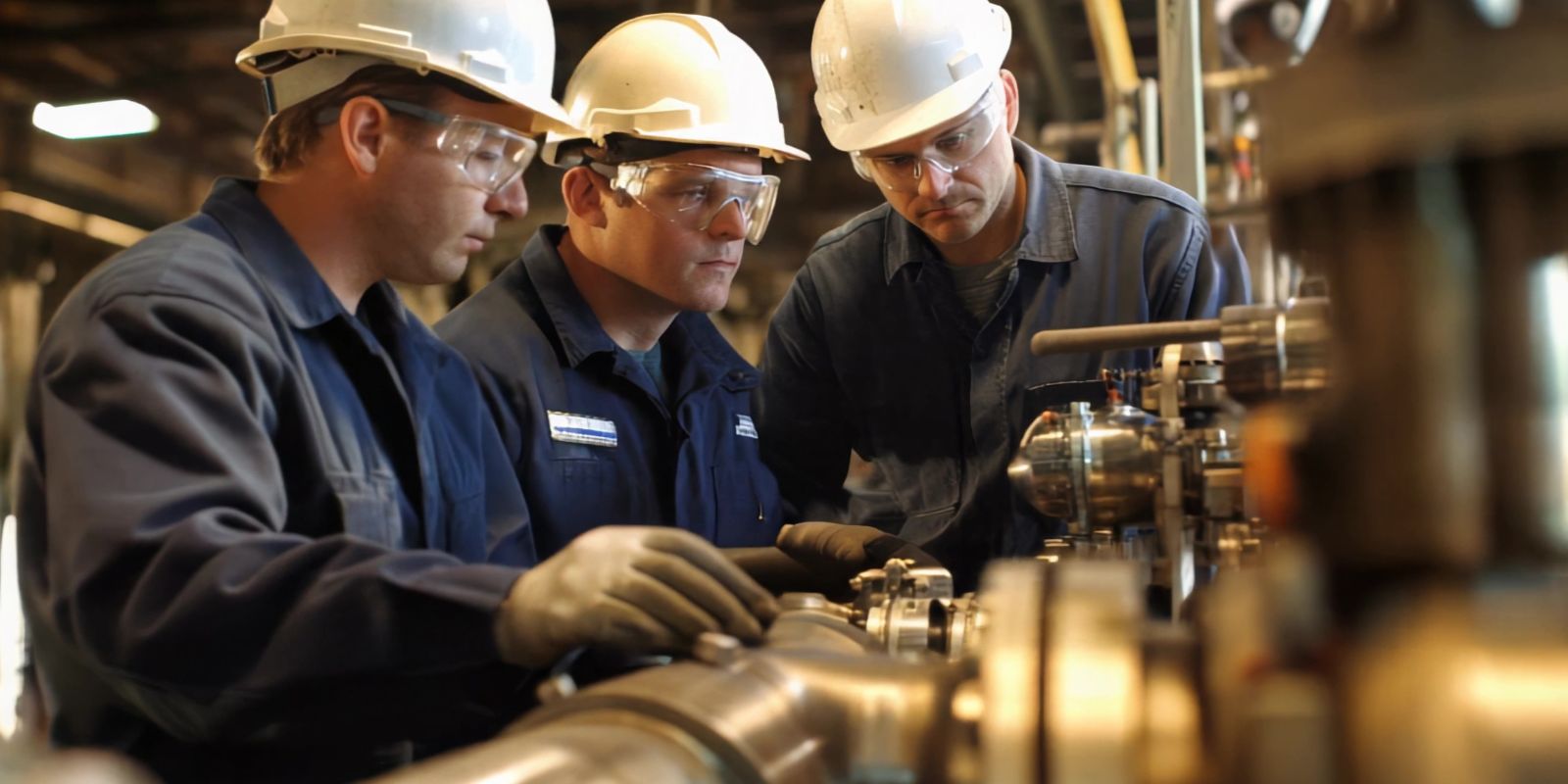
In today’s highly competitive industrial landscape, manufacturing organizations are under constant pressure to improve productivity, reduce costs, and maintain consistent output quality. While investments in automation, technology, and process optimization are critical, one factor remains foundational to long-term success—effective hiring. Manufacturing hiring for efficiency is no longer about simply filling vacancies; it is about building a workforce that enhances operational performance, minimizes downtime, and supports continuous improvement.
As global supply chains become more complex and customer expectations rise, manufacturers must rethink how they attract, assess, and retain talent. The right hiring strategy can significantly improve efficiency across production lines, maintenance operations, quality control, and logistics. This article explores how strategic manufacturing hiring directly impacts efficiency and outlines best practices to build a workforce designed for performance.
The Link Between Hiring and Manufacturing Efficiency
Efficiency in manufacturing depends on how smoothly people, processes, and technology work together. Skilled employees reduce errors, optimize machine usage, and respond quickly to production challenges. Conversely, poorly matched hires can lead to increased scrap rates, safety incidents, unplanned downtime, and high attrition.
Manufacturing hiring for efficiency focuses on aligning workforce capabilities with operational goals. This means recruiting individuals who not only possess technical skills but also demonstrate adaptability, problem-solving ability, and a commitment to quality. When hiring decisions are aligned with production demands, efficiency becomes a built-in outcome rather than a constant struggle.
Challenges in Traditional Manufacturing Hiring
Many manufacturing organizations still rely on outdated hiring models that prioritize speed over fit. While rapid hiring may address immediate labor shortages, it often leads to long-term inefficiencies.
Common challenges include:
- Skill mismatches that slow production and increase rework
- High turnover rates disrupting workflow continuity
- Limited talent pipelines for specialized or technical roles
- Inadequate onboarding, delaying productivity
- Reactive hiring driven by urgent needs rather than strategic planning
These challenges highlight the need for a more structured and forward-looking hiring approach focused on efficiency and sustainability.
Defining Efficiency-Focused Manufacturing Roles
The first step toward efficient manufacturing hiring is role clarity. Each position should be clearly defined in terms of responsibilities, performance metrics, and required competencies. This allows hiring teams to assess candidates based on their ability to contribute to operational goals.
Efficiency-driven roles often emphasize:
- Technical proficiency with machinery or systems
- Understanding of lean manufacturing principles
- Safety awareness and compliance
- Cross-functional collaboration
- Continuous improvement mindset
When job definitions reflect real operational needs, organizations attract candidates who are better prepared to perform from day one.
Building a Skilled and Adaptable Workforce
Modern manufacturing environments demand flexibility. Production volumes fluctuate, product lines evolve, and new technologies are regularly introduced. Hiring for efficiency means selecting candidates who can adapt to change without compromising productivity.
Skill-based hiring assessments, practical evaluations, and scenario-based interviews help identify candidates who can think critically and respond effectively under pressure. Beyond technical expertise, manufacturers should prioritize soft skills such as communication, teamwork, and accountability—qualities that directly influence workflow efficiency.
The Role of Workforce Planning
Strategic workforce planning is essential for efficient manufacturing hiring. Instead of reacting to vacancies, organizations should forecast labor needs based on production targets, expansion plans, and seasonal demand.
Effective workforce planning enables manufacturers to:
- Maintain optimal staffing levels
- Reduce overtime and burnout
- Prevent production bottlenecks
- Support succession planning
- Align hiring timelines with operational goals
By anticipating workforce requirements, manufacturers can ensure consistent efficiency without disrupting operations.
Leveraging Data and Technology in Hiring
Data-driven hiring plays a critical role in improving manufacturing efficiency. Applicant tracking systems, skills databases, and performance analytics allow organizations to make informed hiring decisions.
Technology helps manufacturers:
- Identify high-performing candidate profiles
- Reduce time-to-hire without sacrificing quality
- Improve workforce visibility across plants
- Track retention and productivity metrics
- Optimize hiring channels and sources
When hiring decisions are supported by data, efficiency becomes measurable and continuously improvable.
Streamlining Onboarding for Faster Productivity
Even the best hire cannot contribute efficiently without proper onboarding. Structured onboarding programs reduce learning curves and ensure new employees understand processes, safety protocols, and performance expectations.
Efficient onboarding includes:
- Standardized training modules
- Clear documentation and SOPs
- Mentorship or buddy systems
- Early performance feedback
- Safety and compliance orientation
A strong onboarding framework accelerates time-to-productivity and minimizes costly errors during the initial employment phase.
Reducing Turnover Through Better Hiring
High attrition is one of the biggest threats to manufacturing efficiency. Frequent turnover disrupts production schedules, increases training costs, and lowers team morale. Hiring for efficiency means selecting candidates who align with organizational culture and long-term goals.
Cultural fit, realistic job previews, and transparent communication during the hiring process help set accurate expectations. Employees who understand their roles and growth opportunities are more likely to stay engaged and productive.
Partnering With Specialized Hiring Providers
Many manufacturers are turning to specialized recruitment partners to improve efficiency. Recruitment experts with industry knowledge understand the nuances of manufacturing roles, compliance requirements, and labor market dynamics.
These partnerships offer:
- Access to pre-screened, skilled talent
- Faster and more reliable hiring cycles
- Scalable workforce solutions
- Compliance and documentation support
- Reduced administrative burden on internal teams
By outsourcing or augmenting hiring functions, manufacturers can focus on core operations while maintaining workforce efficiency.
Aligning Hiring With Continuous Improvement Goals
Manufacturing efficiency is not static—it evolves with process improvements, technology upgrades, and market demands. Hiring strategies must support continuous improvement initiatives such as lean manufacturing, Six Sigma, and automation adoption.
Employees who are trained and motivated to identify inefficiencies, suggest improvements, and embrace innovation contribute directly to operational excellence. Hiring individuals with a continuous improvement mindset ensures that efficiency gains are sustained over time.
The Long-Term Impact of Efficient Manufacturing Hiring
Manufacturing hiring for efficiency delivers benefits far beyond immediate productivity gains. Over time, organizations experience:
- Improved output quality
- Lower operational costs
- Enhanced safety performance
- Stronger workforce stability
- Greater competitiveness in the market
When hiring becomes a strategic function rather than a transactional task, efficiency becomes embedded in the organization’s DNA.
Conclusion
Manufacturing hiring for efficiency is a powerful lever for operational success. By aligning hiring strategies with production goals, investing in skill-based assessments, leveraging data, and prioritizing workforce stability, manufacturers can build teams that drive consistent performance.