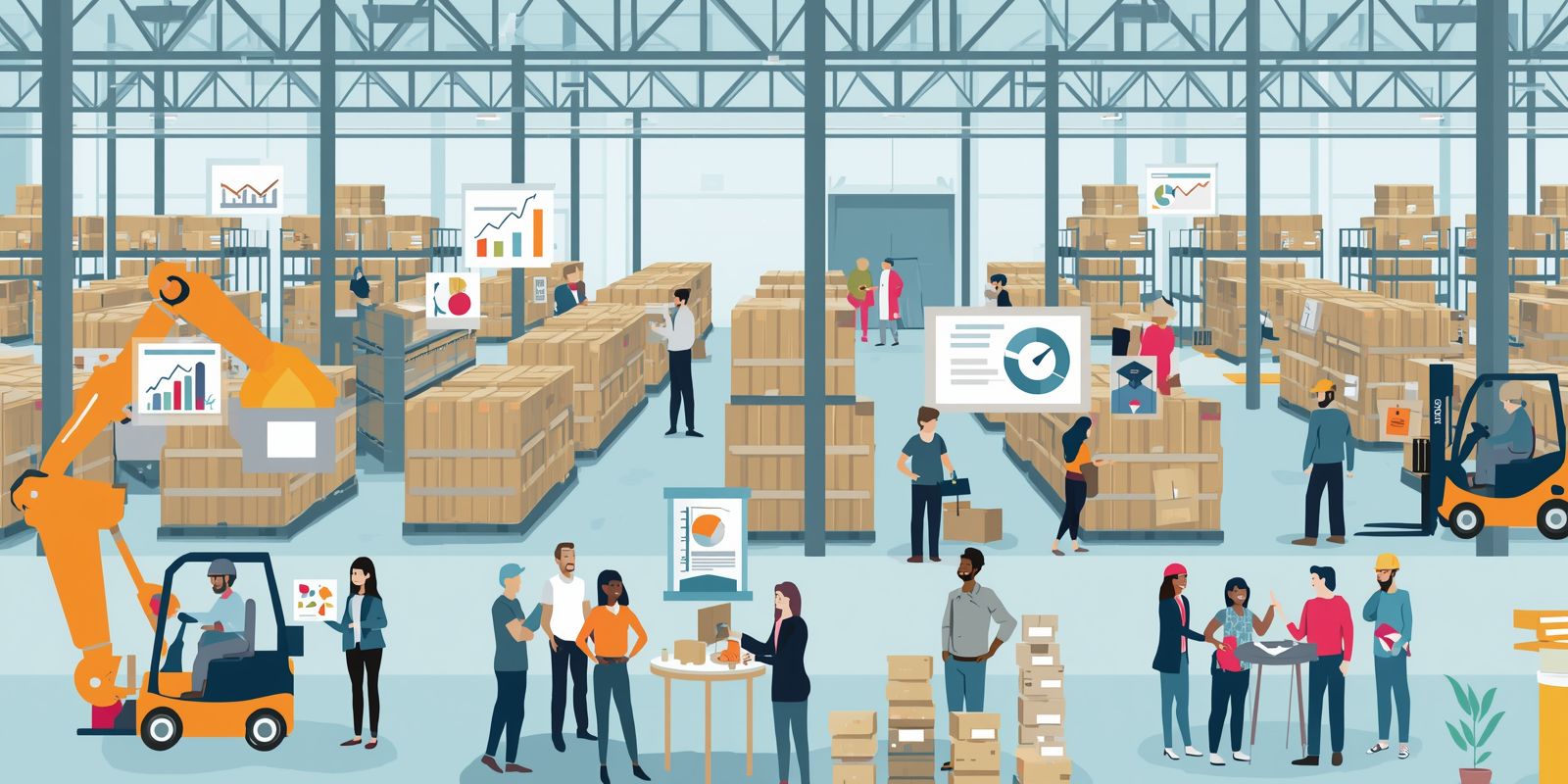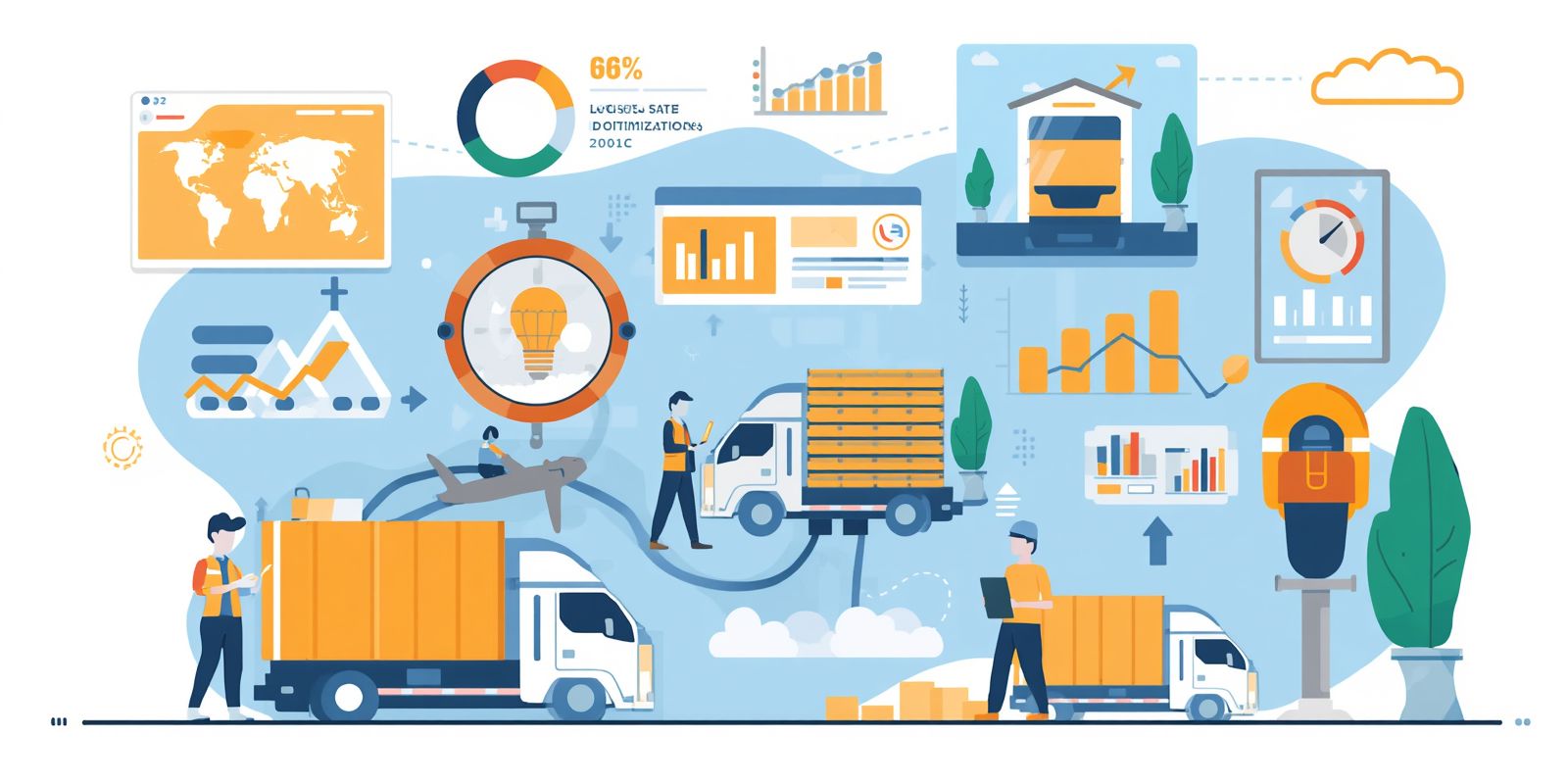
In today’s fast-paced and highly competitive market, logistics has become the backbone of successful business operations. Whether it’s warehousing, transportation, or last-mile delivery, every aspect of logistics depends heavily on the efficiency of the workforce. As customer expectations rise and supply chains become more complex, businesses must focus on logistics workforce optimization to remain competitive, reduce costs, and improve service quality.
Understanding Logistics Workforce Optimization
Logistics workforce optimization refers to the strategic management of human resources involved in supply chain and logistics operations. It involves aligning workforce capabilities, schedules, productivity levels, and technologies to ensure maximum efficiency and minimal waste.
This approach is not just about reducing labor costs—it’s about improving productivity, enhancing employee satisfaction, and ensuring that the right people are in the right roles at the right time.
Why Workforce Optimization Matters
The logistics sector faces several challenges, including fluctuating demand, labor shortages, rising operational costs, and increasing customer expectations. Workforce optimization helps businesses address these challenges effectively by:
- Improving operational efficiency
- Reducing labor costs
- Enhancing service delivery
- Increasing employee engagement
- Supporting scalability and growth
When businesses optimize their workforce, they can respond quickly to market changes and maintain consistent performance.
Key Components of Workforce Optimization
1. Workforce Planning
Effective workforce planning is the foundation of optimization. It involves forecasting labor needs based on demand patterns, seasonal fluctuations, and business growth.
By using data-driven insights, businesses can:
- Avoid overstaffing or understaffing
- Allocate resources efficiently
- Prepare for peak seasons
2. Skill Development and Training
A well-trained workforce performs better and adapts quickly to changes. Continuous training ensures employees are equipped with the latest skills and technologies.
Training programs should focus on:
- Warehouse management systems
- Safety protocols
- Equipment handling
- Customer service skills
3. Technology Integration
Modern logistics operations rely heavily on technology. Integrating tools like workforce management systems (WMS), automation, and AI-driven analytics can significantly improve efficiency.
Benefits include:
- Real-time performance tracking
- Better scheduling and task allocation
- Reduced manual errors
4. Performance Monitoring
Tracking employee performance helps identify strengths and areas for improvement. Key performance indicators (KPIs) such as productivity rates, error rates, and turnaround times are essential.
Regular monitoring allows businesses to:
- Reward high performers
- Provide targeted training
- Improve overall efficiency
5. Flexible Workforce Models
With fluctuating demand, businesses need flexible staffing solutions. This includes:
- Temporary or contract workers
- Part-time employees
- Gig workforce
Flexibility ensures that businesses can scale operations up or down without compromising efficiency.
Strategies for Effective Workforce Optimization
1. Data-Driven Decision Making
Using analytics to understand workforce trends and performance is crucial. Data helps in:
- Forecasting demand
- Identifying inefficiencies
- Improving scheduling
Businesses that leverage data can make informed decisions and stay ahead of competitors.
2. Automation and Robotics
Automation is transforming logistics operations. From automated sorting systems to robotic picking, technology reduces dependency on manual labor and improves accuracy.
However, automation should complement the workforce, not replace it. Employees should be trained to work alongside technology.
3. Employee Engagement
Engaged employees are more productive and committed to their roles. Businesses should focus on:
- Providing growth opportunities
- Recognizing achievements
- Maintaining a positive work environment
Happy employees contribute to better performance and lower turnover rates.
4. Optimized Scheduling
Efficient scheduling ensures that the right number of employees are available when needed. Advanced scheduling tools can:
- Match workforce availability with demand
- Reduce overtime costs
- Improve work-life balance
5. Outsourcing and Staffing Partnerships
Partnering with staffing agencies can help businesses manage workforce challenges effectively. Outsourcing certain functions allows companies to focus on core operations while ensuring access to skilled labor.
Benefits of Logistics Workforce Optimization
1. Cost Efficiency
Optimizing workforce reduces unnecessary labor costs, overtime expenses, and operational inefficiencies. Businesses can achieve more with fewer resources.
2. Improved Productivity
With the right tools, training, and planning, employees can perform tasks more efficiently, leading to higher output and faster operations.
3. Enhanced Customer Satisfaction
Timely deliveries and accurate order fulfillment directly impact customer satisfaction. A well-optimized workforce ensures consistent service quality.
4. Scalability
As businesses grow, their logistics operations must scale accordingly. Workforce optimization provides the flexibility needed to handle increased demand without disruptions.
5. Better Compliance and Safety
Proper training and monitoring ensure that employees follow safety protocols and regulatory requirements, reducing risks and liabilities.
Challenges in Workforce Optimization
Despite its benefits, workforce optimization comes with challenges:
- Resistance to change from employees
- High initial investment in technology
- Managing diverse workforce models
- Maintaining consistent performance across locations
To overcome these challenges, businesses must adopt a phased approach, communicate clearly with employees, and invest in continuous improvement.
Future Trends in Logistics Workforce Optimization
The future of logistics workforce optimization is driven by innovation and technology. Key trends include:
1. Artificial Intelligence and Machine Learning
AI will play a major role in predicting demand, optimizing schedules, and improving decision-making.
2. Digital Workforce Management
Cloud-based platforms will enable real-time workforce tracking and remote management.
3. Increased Use of Gig Workers
The gig economy will continue to grow, providing businesses with flexible staffing options.
4. Focus on Employee Well-being
Companies will prioritize employee health, safety, and work-life balance to improve retention and productivity.
5. Sustainable Workforce Practices
Businesses will adopt eco-friendly practices, including reducing travel and optimizing resource usage.
Best Practices for Implementation
To successfully optimize logistics workforce, businesses should:
- Conduct regular workforce audits
- Invest in training and development
- Use advanced analytics tools
- Encourage collaboration and communication
- Continuously monitor and improve processes
A structured approach ensures long-term success and sustainable growth.
Conclusion
Logistics workforce optimization is no longer optional—it is a necessity for businesses aiming to thrive in a competitive environment. By leveraging technology, improving workforce planning, and focusing on employee engagement, companies can achieve higher efficiency, reduce costs, and deliver exceptional customer experiences.
As the logistics landscape continues to evolve, businesses that prioritize workforce optimization will be better equipped to handle challenges, seize opportunities, and drive growth. Investing in people, processes, and technology is the key to building a resilient and future-ready logistics operation.