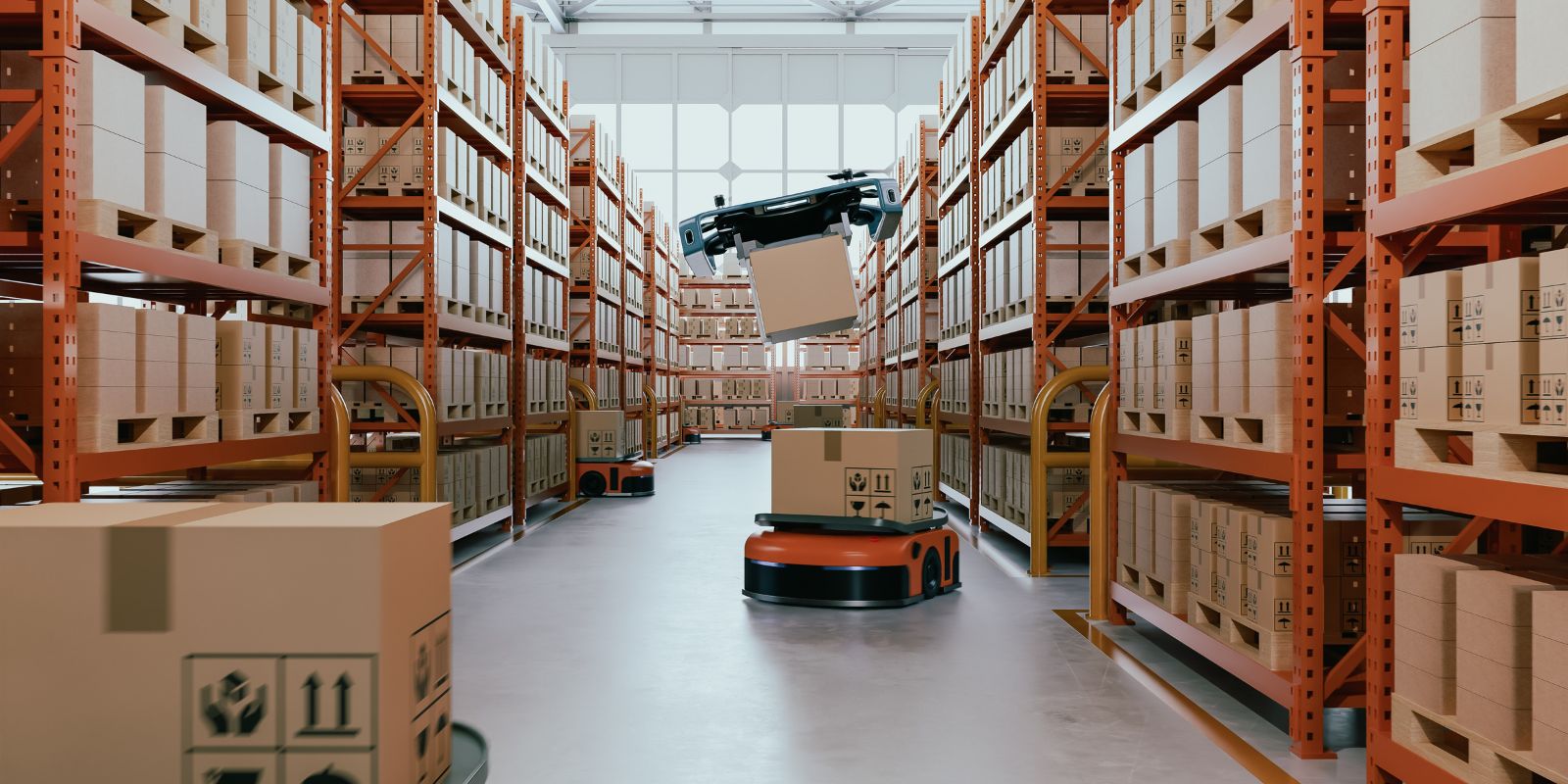
In today’s fast-moving global economy, logistics and supply chain operations are under constant pressure to deliver faster, cheaper, and more accurately than ever before. Customer expectations for same-day or next-day delivery, real-time tracking, and flawless service have transformed logistics from a back-end function into a strategic business driver. At the center of this transformation is not just automation or technology—but people. However, without the right systems to attract, manage, develop, and retain talent, even the most advanced logistics infrastructure can fail. This is where Logistics Talent Systems for Efficiency play a crucial role.
Logistics talent systems are structured, technology-enabled frameworks that manage the entire workforce lifecycle—from recruitment and onboarding to performance tracking and workforce planning. These systems are designed to align people, processes, and technology to create a more agile, productive, and cost-efficient logistics operation.
Understanding Logistics Talent Systems
A logistics talent system is a digital and strategic platform that integrates workforce management, HR analytics, scheduling tools, performance dashboards, and learning management into one unified ecosystem. Instead of relying on disconnected spreadsheets, manual records, or outdated HR practices, organizations can gain real-time visibility into their workforce capabilities.
These systems help logistics companies answer critical questions:
- Do we have the right people in the right roles?
- Are we overstaffed or understaffed at peak times?
- Which employees need training or redeployment?
- How can we reduce labor costs without affecting performance?
By providing data-driven insights, talent systems empower leaders to make faster and smarter decisions.
Why Efficiency Depends on Talent Systems
Logistics efficiency is not just about trucks, warehouses, or routing software—it is about how effectively people perform their roles. Delays, mis-picks, damaged goods, safety incidents, and high turnover all directly reduce operational efficiency. Talent systems address these challenges by:
- Reducing hiring time with automated screening and digital onboarding.
- Improving workforce scheduling based on demand forecasts.
- Increasing productivity through performance monitoring.
- Lowering turnover by identifying engagement and skill gaps early.
When employees are well-managed, well-trained, and well-deployed, operations become smoother and more predictable.
Key Components of Logistics Talent Systems
1. Smart Recruitment and Onboarding
Modern logistics operations often require large volumes of temporary, contract, and permanent workers. Talent systems use AI-powered tools to quickly match candidates to roles based on skills, availability, and location. Automated onboarding reduces paperwork, speeds up deployment, and ensures compliance.
2. Workforce Planning and Forecasting
Advanced analytics tools predict labor needs based on seasonality, order volumes, and historical data. This ensures optimal staffing levels during peak and off-peak periods.
3. Performance Management
Real-time dashboards track productivity, accuracy, attendance, and safety metrics. Managers can identify top performers, detect inefficiencies, and provide targeted coaching.
4. Learning and Skill Development
Integrated training modules help employees improve operational skills, safety practices, and leadership abilities. Continuous learning supports long-term efficiency and employee retention.
5. Employee Engagement and Retention
Surveys, feedback tools, and career progression paths help organizations understand employee needs and reduce attrition—a major cost driver in logistics.
How Talent Systems Improve Logistics Operations
Faster Order Fulfillment
By optimizing workforce deployment, talent systems ensure that the right number of workers are available at the right time, reducing delays and backlogs.
Lower Labor Costs
Accurate scheduling and productivity tracking prevent overstaffing, overtime misuse, and idle time.
Improved Accuracy and Quality
Performance analytics highlight error patterns, allowing managers to retrain staff and prevent recurring mistakes.
Enhanced Safety and Compliance
Digital monitoring ensures adherence to safety standards, reducing workplace accidents and legal risks.
The Role of Data and AI
Artificial intelligence and machine learning play a major role in modern logistics talent systems. These technologies analyze vast amounts of data to:
- Predict workforce shortages
- Identify high-risk turnover groups
- Recommend optimal shift patterns
- Personalize training programs
With AI-driven insights, logistics companies can proactively manage their workforce instead of reacting to problems after they occur.
Challenges in Implementing Talent Systems
Despite their benefits, some organizations face challenges such as:
- Resistance to change from employees or managers
- Integration with existing systems
- Data accuracy and privacy concerns
- Initial investment costs
However, these challenges can be overcome through clear communication, training, and phased implementation strategies.
Future of Logistics Talent Systems
As supply chains become more digital, talent systems will evolve with features such as:
- Real-time labor optimization
- Wearable technology integration
- Predictive attrition analytics
- Blockchain-based credential tracking
These innovations will further enhance transparency, efficiency, and workforce agility.
Conclusion
Logistics success is no longer defined by infrastructure alone—it is defined by how effectively people and systems work together. Logistics Talent Systems for Efficiency provide the foundation for building a responsive, productive, and future-ready workforce. By integrating data, technology, and human potential, organizations can achieve faster operations, lower costs, and higher service quality.