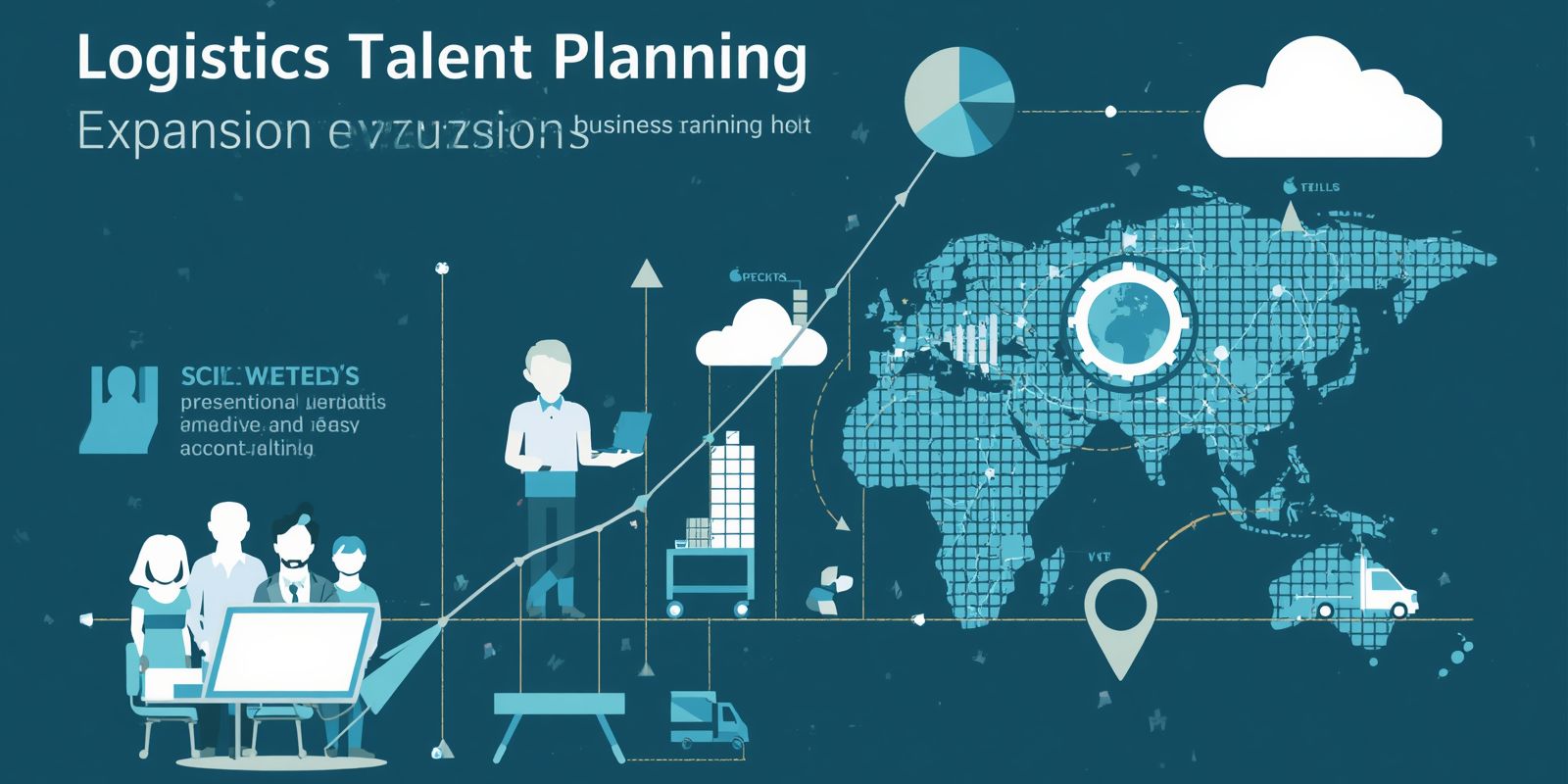
Expanding a logistics business is an exciting yet challenging phase that demands strategic planning, especially when it comes to workforce management. Logistics talent planning plays a critical role in ensuring that your organization can scale efficiently while maintaining service quality, cost control, and operational excellence. Without a well-structured talent strategy, even the most promising expansion plans can falter due to workforce shortages, skill gaps, or inefficiencies.
In today’s dynamic supply chain environment, companies must align their talent planning with business growth objectives. Whether you are expanding into new regions, increasing warehouse capacity, or enhancing last-mile delivery capabilities, the right workforce strategy can make all the difference.
Understanding Logistics Talent Planning
Logistics talent planning involves forecasting workforce needs, identifying skill requirements, and implementing hiring, training, and retention strategies to support business growth. It is not just about filling positions—it is about building a workforce that is agile, skilled, and aligned with long-term expansion goals.
Effective talent planning ensures that the right people are in the right roles at the right time. It includes workforce forecasting, succession planning, performance management, and employee engagement initiatives.
Importance of Talent Planning for Expansion
As logistics companies expand, operational complexity increases. New markets bring different customer expectations, regulatory requirements, and logistical challenges. Talent planning helps organizations navigate these complexities by ensuring workforce readiness.
Key benefits include:
- Improved operational efficiency through skilled and trained employees
- Reduced hiring costs by proactive workforce planning
- Better scalability during peak demand periods
- Enhanced customer satisfaction due to consistent service delivery
- Lower employee turnover through structured engagement strategies
Without proper planning, businesses may face delays, increased costs, and service disruptions.
Key Components of Logistics Talent Planning
1. Workforce Forecasting
Workforce forecasting is the foundation of talent planning. It involves analyzing current workforce capabilities and predicting future needs based on expansion plans.
For example, if a company plans to open new distribution centers, it must estimate the number of warehouse staff, supervisors, drivers, and support personnel required. Forecasting also considers seasonal demand fluctuations, ensuring sufficient staffing during peak periods.
2. Skill Gap Analysis
As logistics operations evolve, so do the skills required. Automation, digital tracking systems, and advanced analytics are transforming the industry.
A skill gap analysis helps identify the difference between existing employee capabilities and the skills needed for future operations. This allows companies to plan training programs or hire specialized talent.
3. Strategic Hiring
Hiring for expansion is not just about increasing headcount—it’s about hiring strategically. Companies must focus on:
- Hiring candidates with relevant experience
- Recruiting adaptable and tech-savvy employees
- Building leadership pipelines for future growth
Partnering with recruitment agencies or using digital hiring platforms can streamline the hiring process.
4. Training and Development
Training is essential to prepare employees for new roles and technologies. Continuous learning programs help employees stay updated and improve productivity.
Key training areas include:
- Warehouse management systems
- Inventory control techniques
- Safety and compliance standards
- Customer service skills
Investing in employee development also boosts morale and retention.
5. Retention Strategies
High employee turnover can disrupt operations, especially during expansion. Retention strategies should focus on:
- Competitive compensation packages
- Career growth opportunities
- Positive work environment
- Recognition and reward programs
Engaged employees are more productive and committed to organizational goals.
Leveraging Technology in Talent Planning
Technology plays a vital role in modern logistics talent planning. Advanced tools and software help streamline workforce management and improve decision-making.
Some key technologies include:
- Workforce management systems for scheduling and tracking
- AI-driven recruitment tools for faster hiring
- Data analytics for workforce forecasting
- Learning management systems (LMS) for employee training
These tools enable companies to optimize workforce utilization and reduce operational inefficiencies.
Challenges in Logistics Talent Planning
Despite its importance, logistics talent planning comes with challenges:
1. Labor Shortages
The logistics industry often faces a shortage of skilled workers, especially drivers and warehouse staff. This makes it difficult to meet expansion demands.
2. High Turnover Rates
Logistics jobs can be physically demanding, leading to high attrition rates. Companies must address employee concerns to retain talent.
3. Rapid Technological Changes
Keeping up with evolving technologies requires continuous training and adaptation, which can be resource-intensive.
4. Demand Uncertainty
Fluctuating market demand makes workforce planning complex. Companies must remain flexible to adjust staffing levels as needed.
Best Practices for Effective Talent Planning
To overcome challenges and ensure successful expansion, logistics companies should adopt the following best practices:
1. Align Talent Strategy with Business Goals
Talent planning should be directly linked to expansion objectives. Clear alignment ensures that workforce initiatives support overall business growth.
2. Build a Talent Pipeline
Creating a pool of pre-qualified candidates helps reduce hiring time and ensures quick onboarding during expansion.
3. Focus on Employer Branding
A strong employer brand attracts top talent. Companies should highlight their work culture, growth opportunities, and employee benefits.
4. Use Data-Driven Decision Making
Data analytics provides insights into workforce trends, helping companies make informed decisions about hiring and training.
5. Promote Internal Mobility
Encouraging employees to take on new roles within the organization helps fill skill gaps and boosts employee engagement.
Role of Leadership in Talent Planning
Leadership plays a crucial role in driving successful talent planning. Managers must:
- Identify future leaders within the organization
- Foster a culture of continuous learning
- Encourage collaboration and innovation
- Support employee development initiatives
Strong leadership ensures that talent strategies are effectively implemented and aligned with business objectives.
Future Trends in Logistics Talent Planning
The future of logistics talent planning is shaped by emerging trends such as:
1. Automation and Robotics
Automation is transforming warehouse operations, reducing the need for manual labor while increasing demand for technical skills.
2. Gig Workforce
Many logistics companies are adopting flexible workforce models, including gig workers, to manage fluctuating demand.
3. Remote Workforce Management
Digital tools enable remote monitoring and management of logistics operations, increasing efficiency.
4. Focus on Employee Well-being
Companies are prioritizing employee health and well-being to improve retention and productivity.
Conclusion
Logistics talent planning is a critical factor in achieving successful business expansion. It ensures that organizations have the right workforce to support growth while maintaining operational efficiency and customer satisfaction.
By focusing on workforce forecasting, skill development, strategic hiring, and employee retention, companies can build a strong talent foundation for long-term success. Leveraging technology and adopting best practices further enhances the effectiveness of talent planning.
As the logistics industry continues to evolve, businesses that invest in robust talent planning strategies will be better positioned to scale, adapt, and thrive in a competitive market.