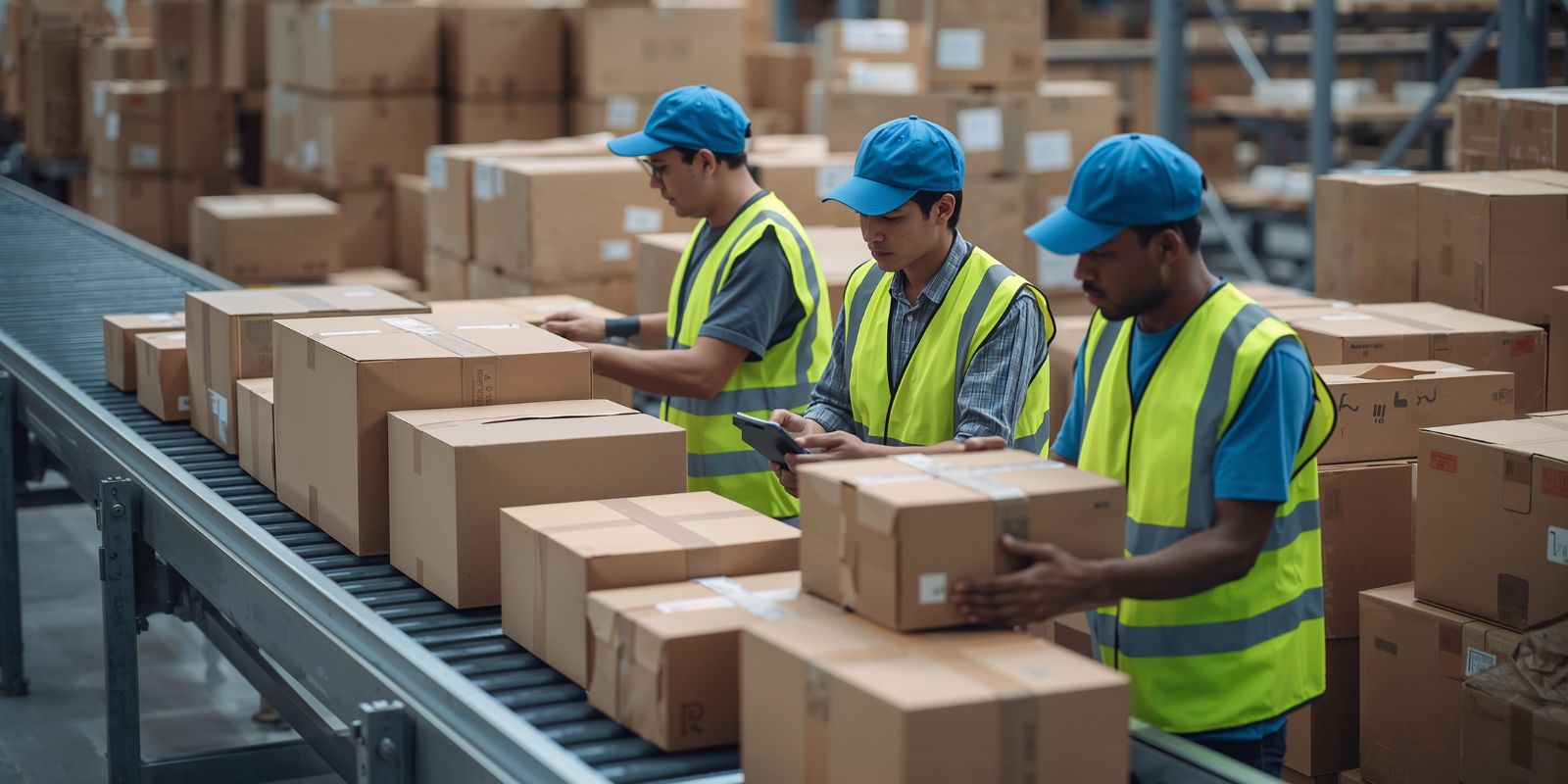
In today’s fast-paced global economy, logistics has become the backbone of business success. Whether it is e-commerce, manufacturing, retail, or distribution, companies depend heavily on efficient supply chains to stay competitive. However, technology and infrastructure alone cannot support growth. The true driver of logistics performance is people. Logistics hiring for scalable growth ensures that organizations can expand operations without sacrificing service quality, efficiency, or cost control.
As businesses grow, demand increases, delivery volumes rise, and supply chains become more complex. Without the right workforce in place, even the most advanced logistics systems can collapse under pressure. Strategic hiring enables companies to build flexible, skilled, and reliable teams that support both short-term expansion and long-term sustainability.
Why Logistics Hiring Matters for Growth
Growth creates opportunity, but it also brings challenges. More orders mean more warehousing, transportation, customer service, and coordination. If hiring does not keep pace with business expansion, delays, errors, and customer dissatisfaction follow.
Effective logistics hiring ensures that organizations can:
- Handle higher shipment volumes
- Meet delivery timelines
- Maintain safety and compliance
- Control operational costs
- Improve customer satisfaction
Scalable hiring is not about simply adding more people. It is about building a workforce that can grow, adapt, and perform as the business evolves.
Understanding Scalable Growth in Logistics
Scalable growth means expanding operations without causing disruptions, inefficiencies, or excessive costs. In logistics, this includes:
- Adding new warehouses or distribution centers
- Expanding into new regions or markets
- Increasing order fulfillment capacity
- Supporting seasonal or demand-driven spikes
- Adopting new technology and automation
Each of these growth drivers requires different types of talent. From warehouse associates and drivers to planners, analysts, and operations managers, every role contributes to a smooth-running logistics system.
The Role of Workforce Planning
Scalable logistics hiring begins with workforce planning. Companies must analyze current operations, forecast future demand, and identify skill gaps before they become problems. Workforce planning helps answer questions such as:
- How many people will be needed in six months or one year?
- Which roles are critical for expansion?
- What skills will future operations require?
- Where should talent be deployed?
When organizations align hiring with growth strategies, they can avoid last-minute recruitment, reduce turnover, and maintain service levels during expansion.
Key Roles That Support Scalable Logistics
For logistics growth to be successful, companies must invest in hiring across multiple functional areas.
Warehouse and Distribution Staff
These employees handle receiving, storage, picking, packing, and dispatch. As volumes grow, so does the need for trained warehouse associates who can maintain accuracy and speed.
Drivers and Transportation Teams
Transportation is the most visible part of logistics. Skilled drivers, route planners, and fleet managers ensure on-time delivery and cost-effective operations.
Supply Chain Planners
Planners coordinate inventory, demand forecasting, and transportation scheduling. They play a crucial role in balancing cost, speed, and service quality.
Supervisors and Operations Managers
As teams grow, strong leadership becomes essential. Supervisors and managers keep operations organized, resolve issues quickly, and maintain productivity.
Technology and Data Specialists
Modern logistics relies heavily on software, automation, and data analytics. Hiring people who can manage and optimize these systems supports long-term scalability.
How Strategic Hiring Drives Efficiency
Hiring the right people at the right time directly impacts efficiency. Skilled employees reduce errors, speed up processes, and improve customer satisfaction. Well-trained teams also adapt faster to new technologies and operational changes.
When logistics hiring is aligned with business goals, companies experience:
- Lower operational costs
- Higher order accuracy
- Faster delivery times
- Improved safety records
- Better employee engagement
These outcomes make growth sustainable rather than chaotic.
Flexible Staffing for Changing Demand
One of the biggest challenges in logistics is demand variability. Seasonal peaks, promotional campaigns, and market fluctuations create sudden workload increases. Scalable logistics hiring includes flexible staffing solutions such as:
- Temporary and contract workers
- Seasonal hiring programs
- On-demand staffing models
- Cross-trained employees
These approaches allow companies to scale up or down without long-term financial strain.
The Importance of Employer Branding
To attract the best logistics talent, companies must present themselves as great places to work. Competitive pay, safe working conditions, career growth, and supportive leadership all play a role in attracting and retaining skilled workers.
Strong employer branding helps businesses:
- Fill positions faster
- Reduce recruitment costs
- Improve retention
- Build a reputation as a trusted employer
This becomes especially important during rapid growth when hiring volume increases.
Technology-Driven Recruitment
Digital tools have transformed logistics hiring. Online job platforms, AI-based screening, and recruitment analytics allow companies to find qualified candidates faster and more accurately.
Modern recruitment technology helps organizations:
- Identify top candidates quickly
- Track hiring performance
- Predict workforce needs
- Reduce hiring bias
- Improve candidate experience
These tools support scalable hiring by making recruitment more efficient and data-driven.
Training and Skill Development
Hiring alone is not enough. To support scalable growth, logistics teams must continuously develop new skills. Training programs ensure that employees stay productive, safe, and prepared for changing demands.
Effective training focuses on:
- Equipment and technology use
- Safety and compliance
- Process improvement
- Leadership development
- Customer service
By investing in training, companies turn new hires into long-term contributors.
Reducing Turnover for Stability
High employee turnover can derail growth. When experienced workers leave, productivity drops, training costs increase, and service quality suffers. Scalable logistics hiring includes retention strategies such as:
- Competitive compensation
- Clear career paths
- Supportive management
- Work-life balance
- Recognition and rewards
A stable workforce provides consistency during periods of expansion.
Partnering with Logistics Recruitment Experts
Many companies choose to work with logistics recruitment specialists who understand industry requirements and labor market trends. These partners help businesses find the right talent quickly while reducing hiring risks.
Recruitment experts bring:
- Access to skilled talent pools
- Faster hiring timelines
- Industry-specific expertise
- Compliance knowledge
- Scalable hiring solutions
This partnership allows businesses to focus on operations while experts manage talent acquisition.
Conclusion
Logistics hiring for scalable growth is not just about filling vacancies—it is about building a workforce that can support expansion, innovation, and long-term success. In a competitive and fast-moving market, companies that invest in strategic hiring gain a powerful advantage.