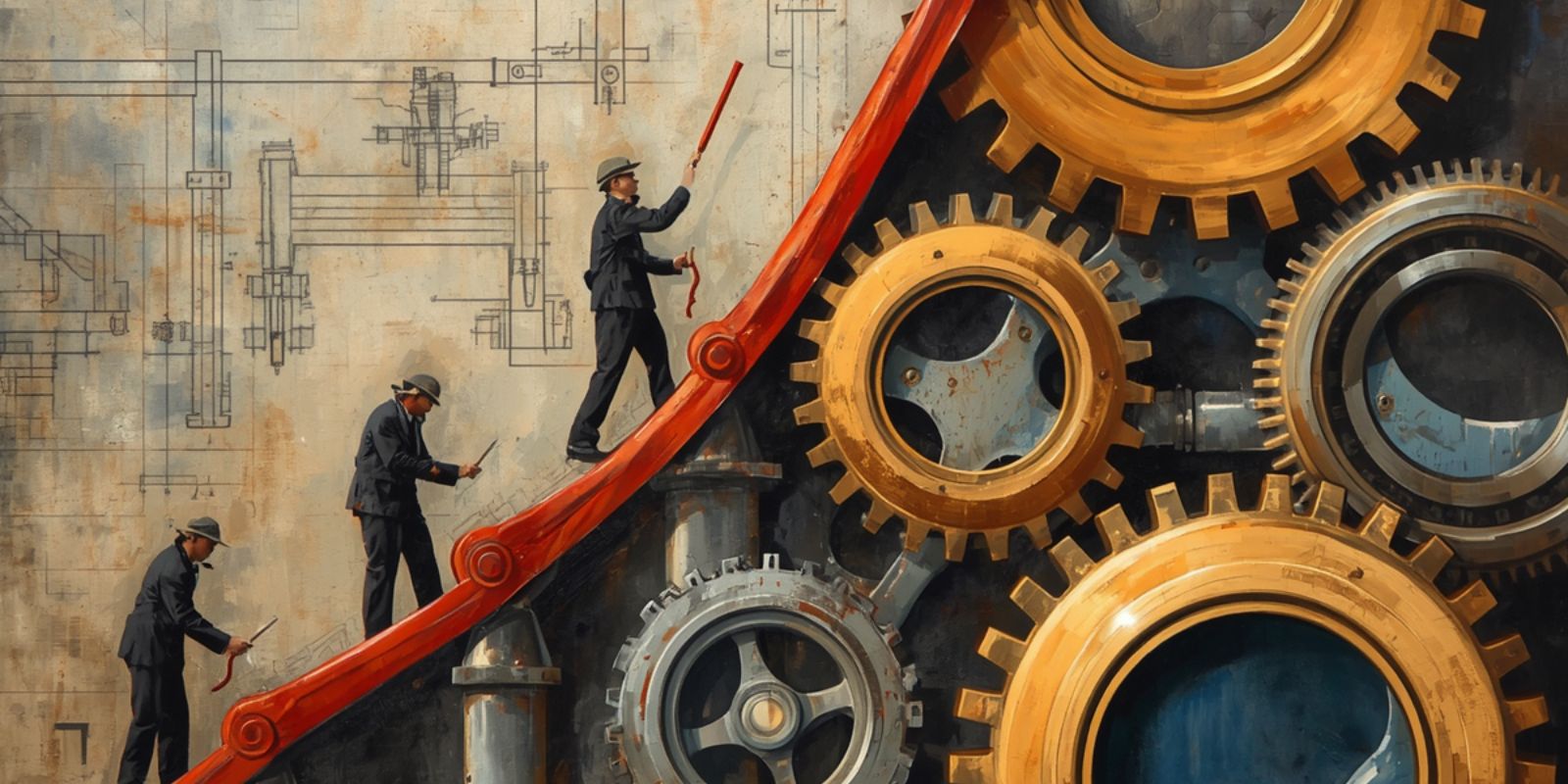
In today’s fast-paced and competitive economy, industrial organizations are under constant pressure to produce more, deliver faster, and innovate continuously. From manufacturing plants and logistics hubs to energy, construction, and heavy engineering, the backbone of every successful industrial enterprise is its people. Industrial talent driving business growth is not just a strategic idea—it is the reality that separates high-performing companies from those struggling to keep up.
While technology, automation, and capital investment matter, none of these can deliver results without skilled, motivated, and well-managed workers. Industrial talent determines productivity, quality, safety, customer satisfaction, and ultimately profitability. Organizations that invest in the right people and build strong workforce strategies create a foundation for long-term growth and resilience.
The Strategic Value of Industrial Talent
Industrial talent includes skilled technicians, machine operators, engineers, supervisors, safety specialists, supply chain experts, and plant managers. These professionals ensure that operations run efficiently, safely, and at high quality. When aligned with business goals, this talent becomes a powerful growth engine.
Skilled workers reduce downtime, minimize waste, and improve output consistency. Experienced engineers improve processes and drive innovation. Effective supervisors increase engagement and performance on the shop floor. Together, these roles transform a production facility from a cost center into a growth driver.
In industries where margins are tight, even small improvements in efficiency or quality can significantly impact profitability. Industrial talent enables those improvements by applying knowledge, discipline, and innovation to everyday operations.
Workforce Quality and Productivity
Productivity is one of the clearest links between industrial talent and business growth. Highly trained workers complete tasks faster, make fewer errors, and maintain equipment better. They also identify inefficiencies and suggest improvements that can lead to cost savings and increased output.
A skilled workforce reduces the need for rework, scrap, and unplanned maintenance. This leads to smoother production schedules, better on-time delivery, and improved customer satisfaction. In competitive markets, these advantages help businesses win new contracts and retain loyal customers.
Moreover, when employees feel competent and confident in their roles, morale and engagement rise. Engaged workers take ownership of their tasks and are more committed to meeting organizational goals.
Innovation and Continuous Improvement
Industrial talent is not only about execution—it is also about innovation. Engineers, technicians, and experienced operators often have deep insights into how machines, systems, and workflows can be improved. Their ideas drive continuous improvement initiatives that increase efficiency, reduce costs, and enhance product quality.
Companies that encourage employees to share ideas and experiment with new approaches often see faster innovation cycles. This is especially important in sectors such as manufacturing, energy, and logistics, where new technologies, materials, and processes are constantly emerging.
By empowering industrial talent to innovate, organizations build a culture of improvement that supports long-term business growth.
Safety, Compliance, and Risk Management
Safety and regulatory compliance are critical in industrial environments. Accidents, equipment failures, and regulatory violations can cause costly downtime, legal penalties, and reputational damage. Skilled and well-trained employees are essential for maintaining safe and compliant operations.
Industrial talent understands safety protocols, operates machinery correctly, and identifies potential hazards before they become serious problems. A strong safety culture not only protects workers but also stabilizes operations and supports sustainable growth.
When businesses invest in training and safety leadership, they reduce risk while increasing productivity—a powerful combination for growth.
Talent Shortages and the Need for Strategic Hiring
Many industrial sectors face ongoing talent shortages due to aging workforces, changing skill requirements, and competition from other industries. These shortages can limit growth, delay projects, and increase costs.
To overcome this challenge, companies must adopt proactive and strategic hiring practices. This includes workforce planning, partnerships with technical institutes, apprenticeships, and employer branding that highlights career opportunities in industrial roles.
By building a strong talent pipeline, organizations ensure they have the people they need to expand operations, launch new products, and enter new markets.
Training and Upskilling for Growth
As automation, robotics, and digital systems become more common, industrial jobs are evolving. Workers now need technical, analytical, and problem-solving skills in addition to traditional mechanical expertise.
Training and upskilling are therefore essential components of industrial talent driving business growth. When employees learn to operate new equipment, use data systems, or apply lean manufacturing techniques, productivity and flexibility increase.
Companies that invest in learning programs not only improve performance but also strengthen employee loyalty. Workers who see clear development opportunities are more likely to stay, reducing turnover and protecting institutional knowledge.
Leadership and Workforce Engagement
Strong leadership is another critical factor in unlocking the potential of industrial talent. Supervisors, managers, and plant leaders set the tone for performance, safety, and collaboration. Effective leaders communicate expectations clearly, support their teams, and create an environment where employees feel valued.
Engaged workers are more productive, more innovative, and more committed to quality. Leadership that invests in engagement through recognition, feedback, and development helps turn a workforce into a competitive advantage.
Technology and Talent Working Together
Digital transformation is reshaping industrial operations. Advanced analytics, automation, and connected systems are improving efficiency and visibility. However, technology alone does not create growth—it must be guided and operated by skilled people.
Industrial talent that understands both physical processes and digital tools can maximize the return on technology investments. For example, operators who know how to interpret machine data can prevent breakdowns and optimize performance. Engineers who use digital twins and predictive analytics can design more efficient systems.
The combination of smart technology and skilled workers accelerates innovation and strengthens business performance.
Building a Sustainable Workforce Model
Sustainable growth requires a workforce model that balances flexibility, stability, and capability. This includes a mix of full-time employees, contract workers, and specialized talent, all aligned to business goals.
Workforce planning helps organizations anticipate future needs and avoid shortages or overstaffing. Succession planning ensures that leadership and technical expertise are preserved as employees retire or move on.
A well-structured workforce strategy supports both short-term performance and long-term growth.
Conclusion
Industrial talent driving business growth is not just a concept—it is a proven reality in today’s competitive industrial landscape. Skilled, motivated, and well-managed employees improve productivity, enhance quality, support innovation, and reduce risk. They turn technology and capital into real business results.
Organizations that prioritize talent acquisition, training, engagement, and leadership build a workforce capable of meeting today’s demands and tomorrow’s opportunities. In an era of rapid change, industrial talent is the most reliable engine of sustainable growth.