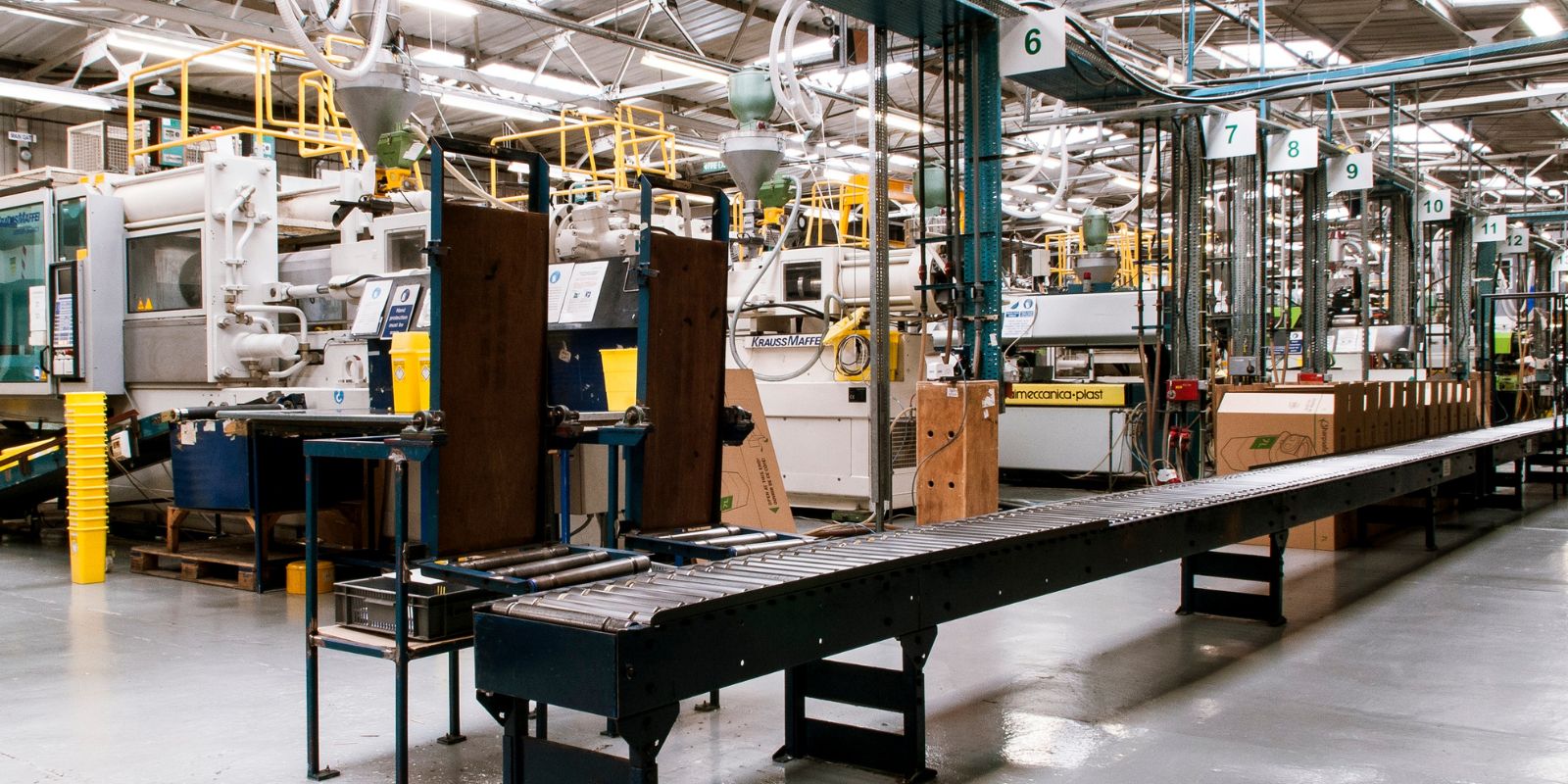
In today’s rapidly evolving industrial landscape, organizations face increasing pressure to stay competitive while maintaining operational efficiency. One of the most critical factors influencing success is workforce management. Industrial staffing strategies have emerged as a powerful tool for businesses to adapt to changing demands, enhance productivity, and gain a competitive edge.
From manufacturing plants to logistics hubs, companies must rethink how they attract, deploy, and retain talent. Effective staffing strategies not only ensure that the right people are in the right roles but also enable businesses to respond quickly to market shifts, technological advancements, and customer expectations.
Understanding Industrial Staffing
Industrial staffing refers to the process of sourcing, hiring, and managing workers for industrial roles such as production, assembly, warehousing, maintenance, and quality control. Unlike traditional hiring, industrial staffing often involves flexible arrangements such as temporary, contract, and project-based roles.
With globalization and automation reshaping industries, companies need a dynamic workforce that can scale up or down as required. This is where strategic staffing becomes essential.
The Importance of Staffing for Competitiveness
Competitiveness in the industrial sector is driven by efficiency, cost control, innovation, and speed. Staffing strategies directly impact all these factors.
A well-planned staffing approach helps organizations:
- Reduce operational costs by optimizing workforce size
- Improve productivity through skilled labor deployment
- Enhance flexibility to meet fluctuating demand
- Minimize downtime with timely hiring
- Foster innovation by bringing in specialized talent
Without a strong staffing strategy, businesses risk inefficiencies, high turnover, and an inability to meet production targets.
Key Industrial Staffing Strategies
1. Workforce Planning and Forecasting
The foundation of any successful staffing strategy is effective workforce planning. This involves analyzing current workforce capabilities, identifying skill gaps, and forecasting future needs.
By using data-driven insights, companies can anticipate demand cycles and align staffing levels accordingly. This proactive approach reduces last-minute hiring and ensures continuous operations.
2. Leveraging Temporary and Contract Staffing
Temporary and contract staffing provide flexibility and cost efficiency. During peak seasons or large projects, businesses can quickly scale their workforce without long-term commitments.
This strategy is particularly useful in industries like manufacturing and logistics, where demand fluctuates significantly. It also allows companies to test workers before offering permanent positions.
3. Investing in Skill Development
The industrial sector is increasingly adopting advanced technologies such as automation, robotics, and AI. As a result, there is a growing demand for skilled workers.
Organizations must invest in training and upskilling programs to ensure their workforce remains relevant. This not only improves productivity but also boosts employee morale and retention.
4. Building a Strong Employer Brand
Attracting top talent requires more than just competitive wages. Companies need to establish themselves as desirable employers by offering a positive work environment, career growth opportunities, and employee benefits.
A strong employer brand helps in reducing hiring time and attracting high-quality candidates, giving businesses a competitive advantage.
5. Utilizing Staffing Agencies
Partnering with staffing agencies can streamline the hiring process. These agencies have access to a large pool of candidates and can quickly fill positions with qualified workers.
This approach saves time and resources while ensuring that businesses get the right talent when they need it most.
6. Embracing Technology in Recruitment
Digital tools and platforms are transforming the recruitment process. From applicant tracking systems to AI-driven candidate screening, technology enables faster and more accurate hiring decisions.
Automation in recruitment reduces administrative tasks and allows HR teams to focus on strategic initiatives.
7. Enhancing Employee Retention
High turnover is a major challenge in industrial sectors. Retaining skilled workers is crucial for maintaining productivity and reducing recruitment costs.
Companies can improve retention by:
- Offering competitive compensation
- Providing career development opportunities
- Ensuring workplace safety
- Recognizing and rewarding performance
A stable workforce contributes to consistent operations and long-term success.
Challenges in Industrial Staffing
Despite its importance, industrial staffing comes with its own set of challenges:
- Skill shortages in specialized roles
- High attrition rates
- Seasonal demand fluctuations
- Compliance with labor laws and regulations
- Managing a diverse workforce
Addressing these challenges requires a strategic and flexible approach.
The Role of Data and Analytics
Data-driven decision-making is becoming a cornerstone of modern staffing strategies. By analyzing workforce data, companies can identify trends, predict staffing needs, and optimize resource allocation.
Key metrics to track include:
- Time-to-hire
- Employee turnover rate
- Productivity levels
- Training effectiveness
Using analytics, organizations can continuously refine their staffing strategies and improve outcomes.
Adapting to Industry Trends
The industrial sector is undergoing significant transformation. To remain competitive, businesses must adapt their staffing strategies to align with emerging trends:
Automation and Digitalization
As automation increases, the demand for manual labor may decrease, but the need for technically skilled workers will rise. Companies must balance automation with human expertise.
Gig Economy
The rise of the gig economy is influencing industrial staffing. More workers are opting for flexible work arrangements, and businesses can tap into this talent pool for short-term needs.
Diversity and Inclusion
A diverse workforce brings different perspectives and ideas, fostering innovation. Companies that prioritize inclusion are better positioned to compete in the global market.
Best Practices for Effective Staffing
To implement successful industrial staffing strategies, organizations should follow these best practices:
- Align staffing goals with business objectives
- Maintain a talent pipeline for future needs
- Focus on employee engagement and satisfaction
- Regularly review and update staffing strategies
- Ensure compliance with labor regulations
Consistency and adaptability are key to achieving long-term success.
The Future of Industrial Staffing
The future of industrial staffing will be shaped by technology, globalization, and changing workforce expectations. Companies that embrace innovation and adopt flexible staffing models will have a significant advantage.
Artificial intelligence, predictive analytics, and digital platforms will continue to revolutionize recruitment and workforce management. At the same time, the human element—skills, creativity, and adaptability—will remain crucial.
Organizations must strike a balance between technology and human resources to build a resilient and competitive workforce.
Conclusion
Industrial staffing strategies play a vital role in determining a company’s competitiveness. By adopting a strategic approach to workforce management, businesses can enhance efficiency, reduce costs, and stay ahead in a dynamic market.
From workforce planning to leveraging technology and focusing on employee retention, every aspect of staffing contributes to overall success. Companies that invest in their workforce and continuously adapt their strategies will be well-positioned to thrive in the competitive industrial landscape.