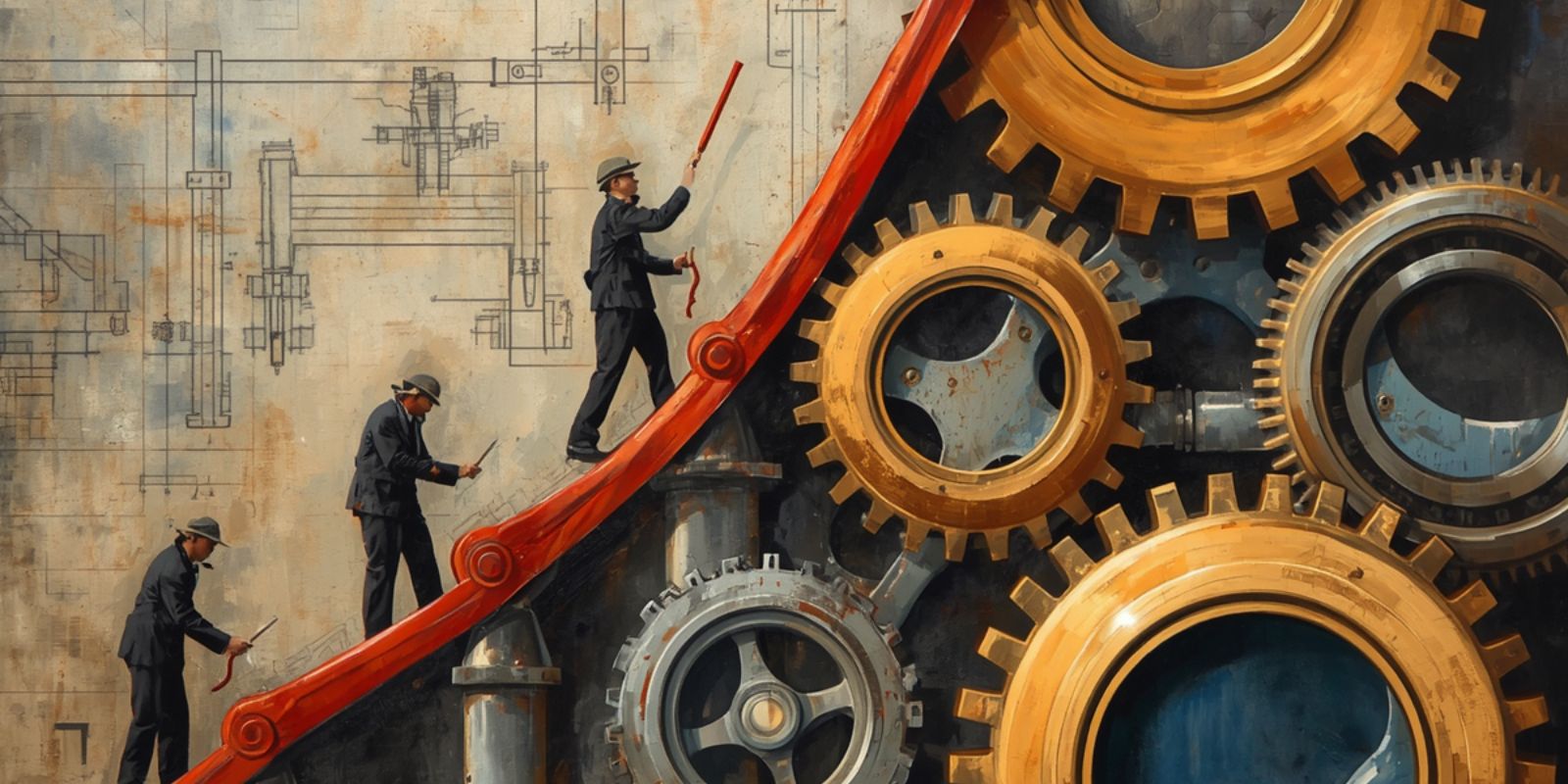
In today’s highly competitive industrial environment, businesses can no longer rely on short-term hiring solutions to meet long-term goals. Rapid automation, shifting labor demands, global supply chain pressures, and rising operational costs have made traditional recruitment models outdated. To remain profitable and resilient, companies must adopt industrial staffing for sustainable growth—a strategic workforce approach that aligns people, processes, and performance with future business needs.
Sustainable staffing is not just about filling vacancies. It is about building a flexible, skilled, and motivated workforce that supports productivity while adapting to change. This article explores how organizations can implement long-term industrial staffing strategies that fuel consistent growth, reduce turnover, and strengthen operational stability.
What Is Industrial Staffing for Sustainable Growth?
Industrial staffing for sustainable growth focuses on developing a workforce model that supports long-term business expansion without sacrificing efficiency or employee well-being. It blends strategic hiring, workforce planning, employee development, and retention initiatives.
Rather than reacting to labor shortages, sustainable staffing enables companies to forecast workforce needs, invest in training, and create talent pipelines that evolve with market demands. The result is a workforce that grows alongside the organization.
Why Sustainable Staffing Matters in Industry
1. Rising Labor Shortages
The manufacturing and industrial sectors are facing skill gaps due to an aging workforce and declining trade enrollment. Sustainable staffing ensures continuous access to skilled talent.
2. Increasing Operational Complexity
With automation, digital tools, and lean manufacturing processes, employees must be adaptable and multi-skilled. Strategic staffing supports long-term skill development.
3. Employee Retention Challenges
High turnover disrupts productivity and raises recruitment costs. A sustainable staffing model improves engagement and loyalty.
4. Business Resilience
Companies with scalable workforce strategies are better equipped to handle market shifts, seasonal demands, and economic uncertainty.
Core Elements of Sustainable Industrial Staffing
1. Workforce Planning and Forecasting
Data-driven forecasting helps predict future labor needs based on production goals, expansion plans, and seasonal demand. This reduces last-minute hiring and overtime costs.
2. Strategic Talent Sourcing
Building long-term recruitment partnerships with staffing agencies, technical institutes, and training centers ensures a consistent talent pipeline.
3. Skill Development and Upskilling
Training programs enable employees to adapt to new technologies, machinery, and workflows—supporting productivity and internal mobility.
4. Flexible Staffing Models
A blend of permanent staff, contract workers, and temporary employees allows organizations to scale operations efficiently without overstaffing.
5. Retention-Focused Culture
Offering career progression, competitive benefits, safe work environments, and recognition programs helps retain skilled workers.
How Sustainable Staffing Drives Growth
Improved Productivity
Well-trained, engaged workers perform tasks faster, reduce errors, and support lean operations.
Lower Recruitment Costs
By reducing turnover and building internal talent pipelines, companies spend less on constant hiring.
Enhanced Innovation
A stable workforce with continuous learning opportunities fosters problem-solving and process improvements.
Stronger Employer Brand
Organizations that invest in people attract top talent and build industry credibility.
Steps to Implement Industrial Staffing for Sustainable Growth
Step 1: Assess Current Workforce
Analyze employee performance, skill gaps, turnover rates, and productivity metrics.
Step 2: Define Long-Term Goals
Align staffing strategies with business expansion, production targets, and automation plans.
Step 3: Create a Talent Pipeline
Partner with training institutions, staffing firms, and apprenticeship programs.
Step 4: Invest in Training
Introduce onboarding programs, technical certifications, and leadership development initiatives.
Step 5: Monitor and Optimize
Use HR analytics to track workforce performance and adjust staffing plans as needed.
Technology’s Role in Sustainable Staffing
Modern workforce management systems help track attendance, performance, and skill development. AI-driven recruitment tools improve candidate matching, while data analytics supports workforce forecasting. These tools ensure staffing decisions are proactive rather than reactive.
Overcoming Common Staffing Challenges
| Challenge | Sustainable Solution |
|---|---|
| Skill shortages | Ongoing training and apprenticeships |
| High turnover | Engagement programs and career growth |
| Seasonal demand | Flexible staffing models |
| Compliance risks | Automated HR and payroll systems |
The Future of Industrial Staffing
As industries move toward automation and smart manufacturing, workforce strategies must evolve. Sustainable growth depends on balancing technology with human expertise. Companies that prioritize people development, flexibility, and long-term planning will lead the future of industrial success.
Conclusion
Industrial staffing for sustainable growth is not a one-time strategy—it is an ongoing commitment to people, performance, and progress. By investing in workforce planning, continuous training, and flexible hiring models, industrial organizations can build resilient operations that support long-term profitability.