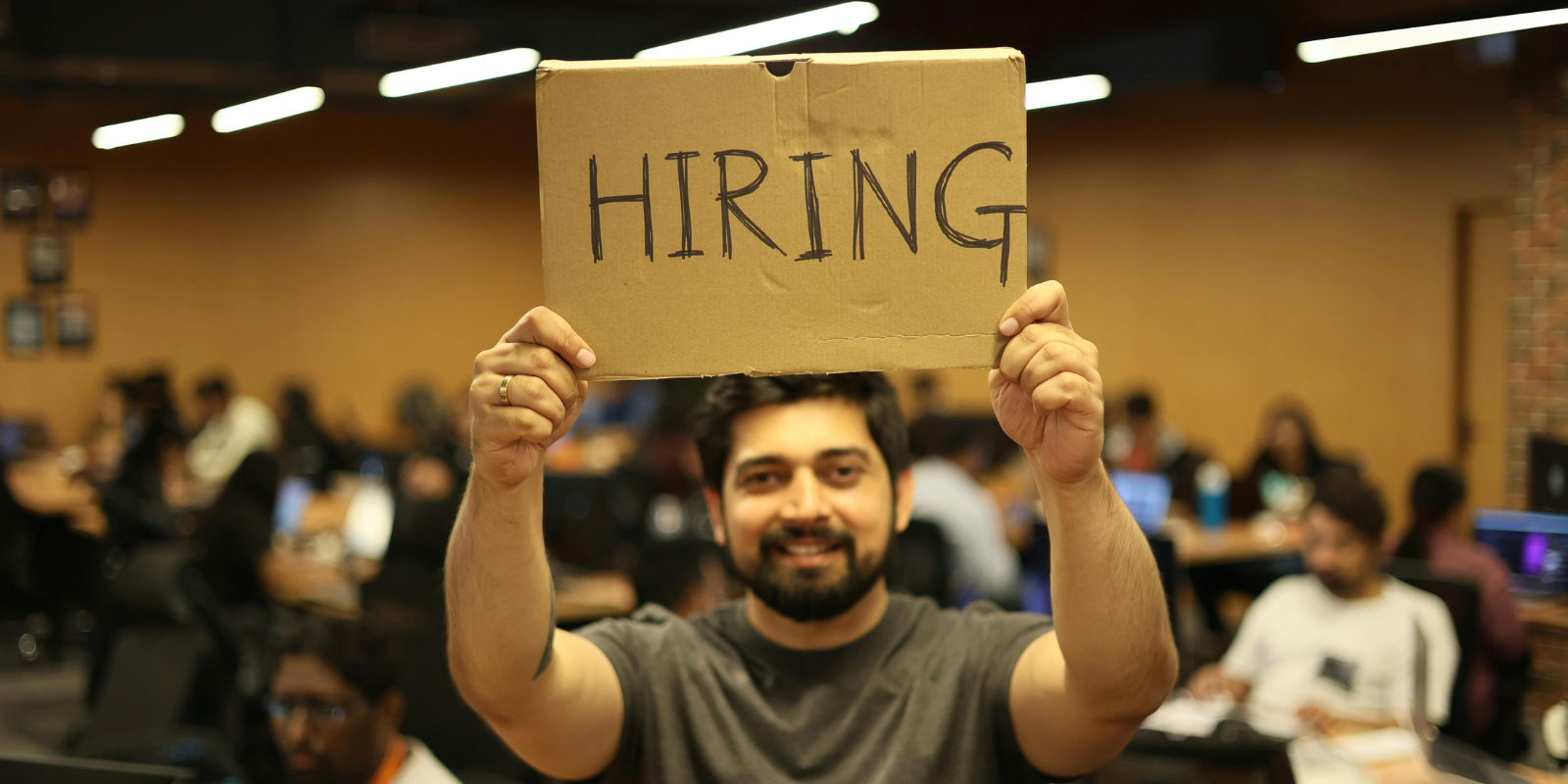
The staffing industry is undergoing a profound transformation driven by hiring innovation. Traditional recruitment methods—once reliant on manual screening, lengthy hiring cycles, and limited talent pools—are rapidly being replaced by technology-driven, data-informed, and candidate-centric approaches. As industries face skill shortages, evolving job roles, and increasing competition for talent, innovative hiring practices have become essential rather than optional.
Hiring innovation is reshaping how organizations attract, assess, and retain talent while enabling staffing firms to deliver faster, smarter, and more scalable workforce solutions. From artificial intelligence and automation to remote hiring models and skills-based recruitment, innovation is redefining the staffing landscape. This article explores how hiring innovation is transforming the staffing industry and why businesses must embrace these changes to remain competitive.
Understanding Hiring Innovation in Staffing
Hiring innovation refers to the adoption of new technologies, processes, and strategies that improve the efficiency, accuracy, and effectiveness of recruitment. In the staffing industry, this includes digital platforms, advanced analytics, virtual hiring tools, and flexible workforce models that align talent supply with business demand.
Unlike traditional hiring approaches, innovative staffing solutions focus on speed, adaptability, and quality. They prioritize skills over resumes, leverage data over intuition, and emphasize long-term workforce value rather than short-term placements.
The Role of Technology in Staffing Transformation
Technology is the backbone of hiring innovation. Staffing firms are increasingly using digital tools to streamline recruitment processes and enhance decision-making.
Artificial Intelligence (AI) and Machine Learning:
AI-powered applicant tracking systems can screen thousands of resumes in seconds, identifying the best-fit candidates based on skills, experience, and behavioral indicators. Machine learning algorithms continuously improve hiring accuracy by analyzing past recruitment outcomes.
Automation and Workflow Optimization:
Automation reduces repetitive tasks such as interview scheduling, candidate follow-ups, and documentation. This allows recruiters to focus on strategic activities like relationship-building and talent advisory services.
Data Analytics and Predictive Hiring:
Advanced analytics help staffing providers forecast workforce demand, identify talent shortages, and predict candidate success. Predictive hiring models enable proactive talent sourcing rather than reactive recruitment.
Shift Toward Skills-Based Hiring
One of the most significant innovations in the staffing industry is the shift from qualification-based hiring to skills-based hiring. Employers are increasingly prioritizing competencies, adaptability, and learning potential over formal degrees or job titles.
Skills-based hiring expands the talent pool by including candidates from diverse backgrounds, gig workers, and career switchers. Staffing firms now use skills assessments, digital credentials, and project-based evaluations to match candidates with roles more accurately.
This approach not only improves hiring outcomes but also promotes workforce diversity and inclusion, making staffing solutions more equitable and future-ready.
Remote and Virtual Hiring Models
The rise of remote work has accelerated innovation in staffing practices. Virtual hiring models allow staffing firms to source talent globally, conduct interviews remotely, and onboard employees digitally.
Video Interviews and Virtual Assessments:
Video interviewing platforms enable real-time or asynchronous interviews, reducing time-to-hire and geographical limitations. Virtual assessments test technical and soft skills in realistic environments.
Remote Onboarding and Workforce Management:
Digital onboarding tools ensure seamless integration of remote hires, while cloud-based workforce management systems track performance, engagement, and compliance.
These innovations make staffing more flexible and resilient, especially in dynamic industries such as IT, healthcare, and logistics.
Enhancing Candidate Experience Through Innovation
Candidate experience has become a critical differentiator in the staffing industry. Hiring innovation places candidates at the center of the recruitment journey.
Personalized Communication:
AI-driven chatbots and CRM systems provide timely updates, role recommendations, and feedback, improving transparency and engagement.
Faster Hiring Cycles:
Innovative hiring tools significantly reduce delays, ensuring candidates are placed quickly and efficiently.
Career-Centric Staffing:
Modern staffing firms focus on long-term career development by offering upskilling opportunities, career guidance, and continuous engagement.
A positive candidate experience strengthens employer branding and increases candidate loyalty, benefiting both staffing providers and employers.
The Rise of Flexible Workforce Models
Hiring innovation has enabled the growth of flexible workforce models such as contract staffing, gig work, project-based hiring, and hybrid employment structures.
Organizations now prefer agile staffing solutions that allow them to scale their workforce up or down based on demand. Innovative staffing platforms match businesses with on-demand talent, ensuring operational continuity and cost efficiency.
This flexibility is particularly valuable in industries experiencing seasonal fluctuations or rapid technological change.
Compliance, Ethics, and Transparency
Innovation in hiring is also improving compliance and ethical standards in the staffing industry. Digital documentation, automated compliance checks, and transparent payroll systems reduce risks and ensure adherence to labor laws.
In markets like India, where regulatory compliance is critical, innovative staffing solutions help businesses manage statutory requirements while maintaining workforce integrity.
Challenges in Adopting Hiring Innovation
Despite its benefits, hiring innovation presents challenges. Resistance to change, data privacy concerns, and the need for upskilling recruiters can slow adoption.
Staffing firms must invest in training, cybersecurity, and change management to fully realize the benefits of innovation. Successful transformation requires a balance between technology and human judgment.
The Future of the Staffing Industry
The future of the staffing industry lies in continuous innovation. Emerging trends such as AI-driven talent marketplaces, blockchain-based credential verification, and workforce analytics will further redefine staffing services.
Staffing firms that embrace innovation will evolve from transactional recruiters to strategic workforce partners. They will help organizations build resilient, future-ready teams capable of thriving in an ever-changing business environment.
Conclusion
Hiring innovation is transforming the staffing industry by making recruitment faster, smarter, and more adaptable. Through technology, skills-based hiring, remote workforce models, and enhanced candidate experiences, staffing providers are redefining how talent connects with opportunity.