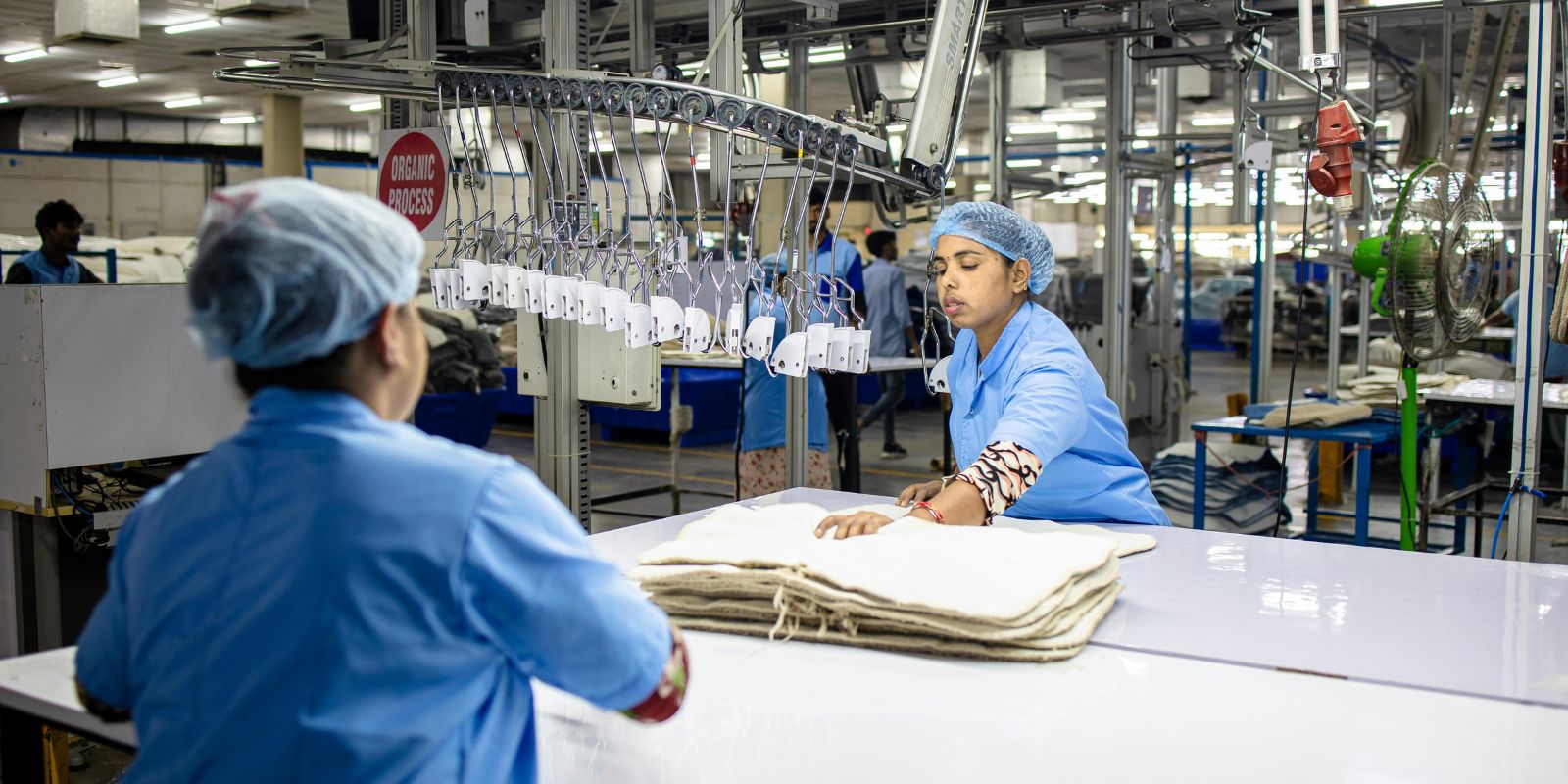
In today’s competitive manufacturing landscape, factories are under constant pressure to produce more, reduce costs, and maintain high quality standards. Rapid technological advancements, fluctuating market demands, and workforce shortages have made operational efficiency a top priority. One of the most impactful ways to achieve this is through factory workforce solutions for efficiency. By adopting the right workforce strategies, manufacturing units can streamline operations, improve productivity, and ensure long-term sustainability.
Understanding Factory Workforce Solutions
Factory workforce solutions refer to structured approaches that help manufacturers manage, deploy, and optimize their workforce effectively. These solutions may include skilled manpower staffing, workforce outsourcing, flexible labor models, training programs, and technology-driven workforce management systems. The goal is to ensure the right people with the right skills are available at the right time.
Unlike traditional hiring, modern workforce solutions focus on agility, scalability, and performance. They align workforce planning with production goals, enabling factories to respond quickly to changing demands while maintaining operational efficiency.
Why Workforce Efficiency Matters in Manufacturing
Workforce efficiency directly impacts a factory’s output, cost structure, and profitability. Inefficient labor management can lead to production delays, high overtime costs, safety issues, and inconsistent quality. On the other hand, optimized workforce solutions help factories:
- Reduce operational downtime
- Improve production output
- Minimize labor costs
- Enhance product quality
- Ensure compliance with safety and labor regulations
In an industry where margins can be tight, even small improvements in workforce efficiency can lead to significant financial gains.
Key Challenges in Factory Workforce Management
Before implementing effective solutions, it’s important to understand the challenges factories commonly face:
- Skilled Labor Shortage
Many factories struggle to find skilled workers who can operate advanced machinery and adapt to new technologies. - High Attrition Rates
Repetitive work, long shifts, and limited growth opportunities often result in high employee turnover. - Seasonal and Demand-Based Fluctuations
Manufacturing demand is rarely constant, making it difficult to maintain an optimal workforce year-round. - Training and Upskilling Gaps
Lack of proper training can reduce productivity and increase the risk of errors and accidents. - Compliance and Safety Concerns
Factories must adhere to strict labor laws and safety regulations, which require careful workforce management.
Effective Factory Workforce Solutions for Efficiency
1. Skilled Manpower Staffing
Hiring skilled workers with industry-specific expertise is the foundation of efficient factory operations. Skilled manpower staffing ensures that workers can handle machinery, follow processes accurately, and maintain quality standards. By partnering with professional staffing providers, factories gain access to pre-vetted talent, reducing recruitment time and costs.
2. Workforce Outsourcing
Workforce outsourcing has become a popular solution for factories aiming to improve efficiency while controlling costs. Outsourced manpower allows manufacturers to focus on core operations while external experts manage recruitment, payroll, compliance, and workforce administration. This model is especially beneficial for large-scale production units and labor-intensive industries.
3. Flexible Workforce Models
Flexibility is essential in modern manufacturing. Flexible workforce solutions such as contract labor, temporary staffing, and shift-based deployment help factories scale operations up or down based on demand. This approach minimizes idle labor costs and ensures optimal resource utilization.
4. Training and Upskilling Programs
Continuous training is critical for maintaining workforce efficiency. Upskilling employees improves productivity, reduces errors, and prepares workers for advanced manufacturing technologies such as automation and digital tools. Factories that invest in training often experience higher employee engagement and lower attrition.
5. Technology-Driven Workforce Management
Digital workforce management systems play a vital role in enhancing efficiency. Tools for attendance tracking, shift scheduling, performance monitoring, and productivity analysis provide real-time insights. These systems help factory managers make data-driven decisions, optimize labor allocation, and identify inefficiencies quickly.
6. Safety-Focused Workforce Planning
A safe workforce is an efficient workforce. Implementing safety training, proper supervision, and compliance measures reduces accidents and downtime. Workforce solutions that prioritize safety not only protect employees but also improve operational continuity.
Benefits of Implementing Factory Workforce Solutions
Adopting structured workforce solutions offers multiple benefits to manufacturing units:
- Improved Productivity: Skilled and well-managed workers perform tasks faster and more accurately.
- Cost Optimization: Reduced recruitment costs, lower overtime expenses, and minimized wastage.
- Operational Agility: Ability to adapt quickly to changing production requirements.
- Consistent Quality: Trained workers follow standardized processes, ensuring consistent output.
- Enhanced Employee Retention: Better working conditions and growth opportunities reduce attrition.
The Role of Workforce Partners in Manufacturing Efficiency
Professional workforce solution providers play a crucial role in helping factories achieve efficiency. They bring industry expertise, access to large talent pools, and proven recruitment processes. By outsourcing workforce management to reliable partners, factories can focus on innovation, process improvement, and business growth.
In regions with fast-growing manufacturing sectors, such as India, workforce partners also help factories navigate complex labor laws and compliance requirements, ensuring smooth operations without legal risks.
Future Trends in Factory Workforce Solutions
The future of factory workforce solutions is shaped by technology and changing workforce expectations. Key trends include:
- Automation and Human-Machine Collaboration: Workers will increasingly operate and manage automated systems rather than perform repetitive tasks.
- Data-Driven Workforce Planning: Analytics will guide staffing decisions and productivity improvements.
- Skill-Based Hiring: Emphasis will shift from generic labor to specialized skill sets.
- Employee Wellbeing Focus: Factories will invest more in worker safety, health, and engagement to boost efficiency.
Manufacturers that adapt to these trends early will gain a competitive advantage.
Conclusion
Factory workforce solutions for efficiency are no longer optional—they are essential for survival and growth in the modern manufacturing environment. By adopting skilled manpower staffing, flexible workforce models, training programs, and technology-driven management, factories can overcome workforce challenges and achieve operational excellence.