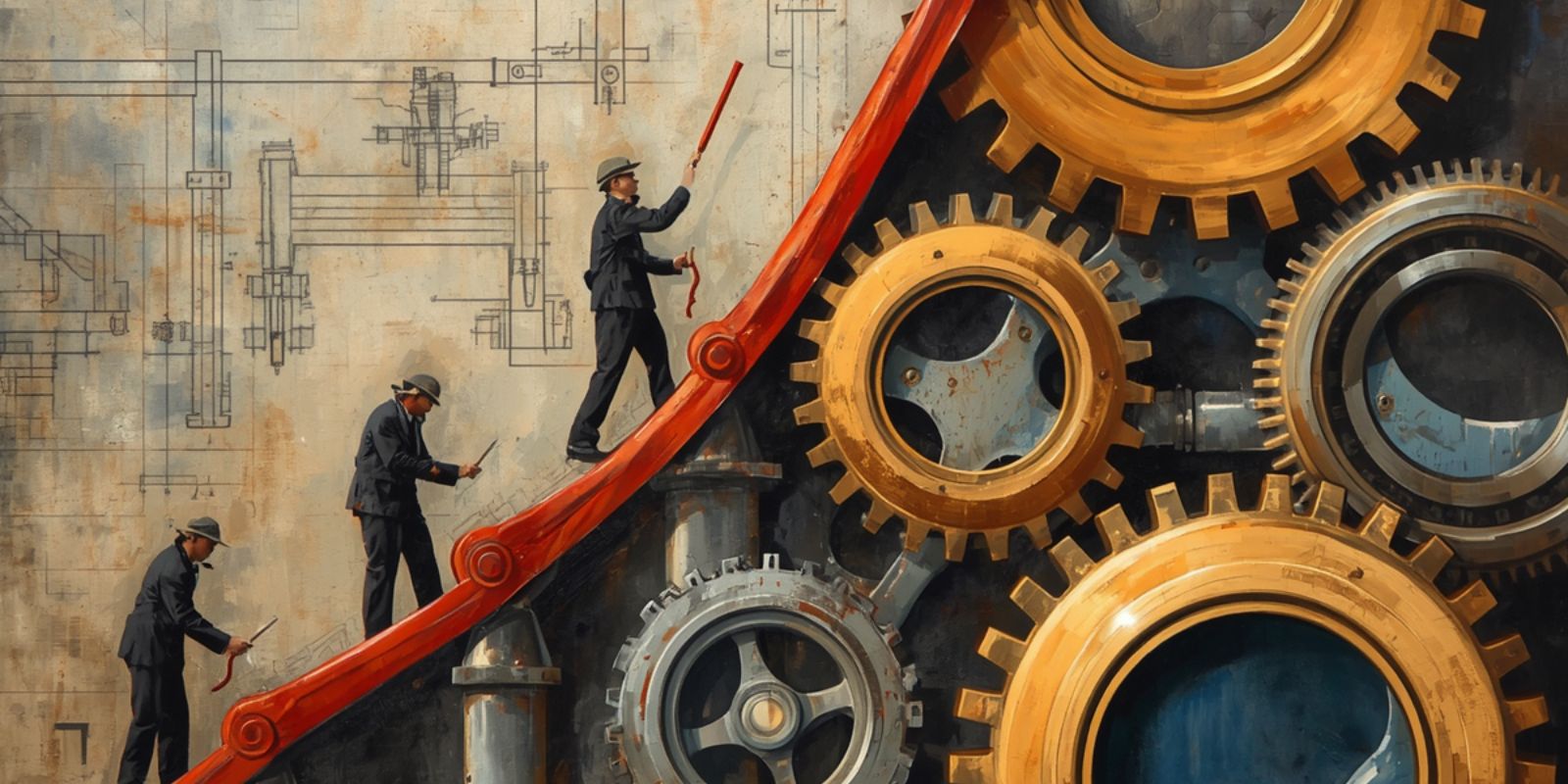
In today’s competitive manufacturing landscape, operational efficiency is no longer a choice—it is a necessity. Rising input costs, global competition, tighter delivery timelines, and increasing quality expectations demand factories to operate at peak performance. While automation, lean systems, and digital tools play a vital role, the most critical driver of operational efficiency remains people. Factory talent supporting operational efficiency is the foundation upon which sustainable productivity, quality, and cost optimization are built.
A skilled, engaged, and well-aligned workforce ensures that machines run smoothly, processes remain consistent, and continuous improvement becomes a daily practice. This article explores how factory talent directly influences operational efficiency and why investing in the right people strategy is essential for manufacturing success.
Understanding Operational Efficiency in Factories
Operational efficiency in a factory refers to the ability to produce maximum output with minimal waste, time, and cost while maintaining high quality and safety standards. It involves optimizing:
- Production throughput
- Resource utilization
- Downtime and maintenance
- Quality consistency
- Workforce productivity
While technology enhances these areas, factory talent is the driving force that ensures systems are used correctly and efficiently. Even the most advanced machinery underperforms without skilled operators, technicians, supervisors, and planners.
The Role of Factory Talent in Operational Efficiency
1. Skilled Operators Improve Productivity
Machine operators are the backbone of factory operations. Skilled operators understand equipment capabilities, process parameters, and quality requirements. Their expertise allows them to:
- Reduce cycle times
- Minimize setup errors
- Maintain consistent output
- Identify early signs of machine issues
Well-trained operators can make real-time adjustments that prevent production losses, directly contributing to higher operational efficiency.
2. Maintenance Talent Reduces Downtime
Unplanned downtime is one of the biggest threats to operational efficiency. Skilled maintenance technicians play a crucial role by:
- Performing preventive maintenance
- Quickly diagnosing equipment failures
- Reducing mean time to repair (MTTR)
- Extending machine lifespan
Factories with strong maintenance talent experience fewer breakdowns and smoother production flows, resulting in better capacity utilization and cost savings.
3. Supervisors Enable Process Discipline
Supervisors act as the bridge between strategy and execution. Their leadership ensures that standard operating procedures (SOPs) are followed consistently. Effective supervisors support operational efficiency by:
- Managing workforce allocation
- Monitoring production targets
- Ensuring safety compliance
- Driving daily performance reviews
Strong frontline leadership keeps operations aligned with efficiency goals and reduces variability on the shop floor.
4. Quality Talent Minimizes Rework and Waste
Quality issues directly impact efficiency through rework, scrap, and customer complaints. Skilled quality professionals help factories by:
- Implementing quality control systems
- Conducting root cause analysis
- Reducing defect rates
- Ensuring compliance with standards
When quality talent works closely with production teams, factories achieve “right-first-time” manufacturing, significantly improving operational efficiency.
5. Planning and Supply Chain Talent Optimizes Flow
Operational efficiency depends on material availability, production scheduling, and inventory control. Skilled planning and supply chain professionals ensure:
- Accurate demand forecasting
- Optimized production schedules
- Reduced inventory holding costs
- Smooth coordination between departments
Efficient planning eliminates bottlenecks and ensures that factory resources are used optimally.
Factory Talent and Lean Manufacturing
Lean manufacturing focuses on eliminating waste and maximizing value. However, lean tools such as 5S, Kaizen, and Just-In-Time are only effective when supported by capable factory talent.
Employees trained in lean principles can:
- Identify inefficiencies in processes
- Suggest practical improvements
- Participate in continuous improvement initiatives
- Take ownership of performance metrics
A workforce that understands lean thinking transforms efficiency from a management initiative into a cultural mindset.
Training and Upskilling for Efficiency
Continuous training is essential for factory talent to keep pace with evolving technologies and processes. Upskilling initiatives support operational efficiency by:
- Improving multi-skilling and flexibility
- Reducing dependency on specific individuals
- Enhancing safety awareness
- Increasing employee confidence and engagement
Factories that invest in structured training programs experience higher productivity, lower error rates, and improved workforce retention.
Workforce Engagement and Efficiency
Engaged employees are more productive, quality-focused, and proactive. Factory talent that feels valued and supported is more likely to:
- Follow best practices
- Suggest process improvements
- Take responsibility for outcomes
- Support team performance
Operational efficiency improves when workers are motivated to perform beyond minimum requirements and actively contribute to factory goals.
The Impact of Talent Alignment
Operational efficiency suffers when the wrong people are placed in critical roles. Talent alignment ensures that skills, experience, and roles are properly matched. Effective alignment leads to:
- Faster decision-making
- Reduced supervision needs
- Higher accuracy in execution
- Improved team collaboration
Factories that strategically align talent with operational needs achieve consistent performance and scalability.
Technology and Talent: A Powerful Combination
Industry 4.0 technologies such as automation, IoT, and data analytics enhance efficiency—but only when supported by skilled talent. Factory employees must be able to:
- Interpret production data
- Operate advanced systems
- Troubleshoot digital equipment
- Adapt to process changes
Human expertise combined with technology creates resilient and efficient operations.
Challenges in Building Efficient Factory Talent
Despite its importance, many factories face challenges such as:
- Skill shortages
- High attrition rates
- Aging workforce
- Limited training infrastructure
Addressing these challenges requires long-term talent strategies, including workforce planning, partnerships with training institutes, and employee development programs.
Building a Talent-Driven Efficiency Strategy
To strengthen factory talent supporting operational efficiency, organizations should focus on:
- Structured hiring based on skill requirements
- Continuous training and certification programs
- Strong frontline leadership development
- Clear performance metrics and accountability
- Employee engagement and recognition initiatives
A strategic approach ensures that talent becomes a competitive advantage rather than an operational constraint.
Conclusion
Operational efficiency in manufacturing is not achieved through machines alone—it is driven by people. Factory talent supporting operational efficiency plays a decisive role in productivity, quality, cost control, and continuous improvement. Skilled operators, maintenance experts, supervisors, planners, and quality professionals work together to create stable and efficient operations.