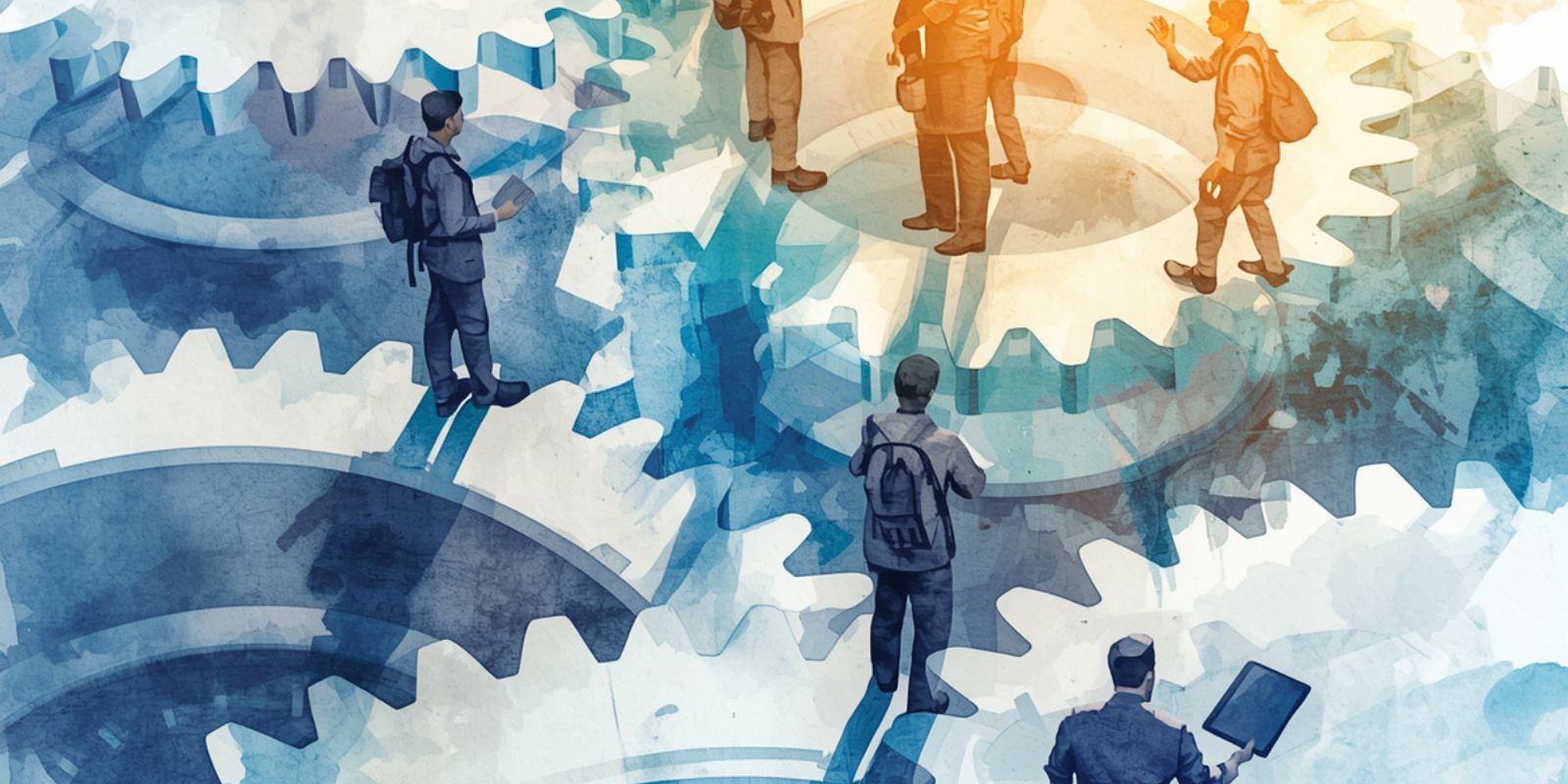
In today’s rapidly evolving business landscape, organizations must go beyond traditional hiring practices and develop structured approaches to managing talent. One of the most effective ways to achieve this is through enterprise talent structures—a strategic framework that defines how talent is organized, developed, and deployed across the organization. These structures help businesses align workforce capabilities with long-term goals while ensuring agility in an increasingly competitive market.
Enterprise talent structures are not simply about filling roles; they are about designing a workforce ecosystem that supports innovation, productivity, and sustainable growth. As companies expand globally, adopt digital technologies, and navigate shifting workforce expectations, structured talent management becomes essential for maintaining operational efficiency and strategic direction.
This article explores the concept of enterprise talent structures, their importance, key components, and how organizations can implement them effectively.
Understanding Enterprise Talent Structures
Enterprise talent structures refer to the systematic arrangement of roles, skills, leadership pipelines, and workforce strategies within an organization. They define how talent is sourced, developed, managed, and retained to meet both immediate and future business needs.
Unlike traditional HR models that focus primarily on recruitment and administration, enterprise talent structures integrate multiple aspects of workforce management, including:
- Talent acquisition
- Workforce planning
- Skill development
- Leadership pipelines
- Succession planning
- Performance management
By connecting these elements, organizations create a unified system that ensures the right people with the right skills are placed in the right roles at the right time.
Why Enterprise Talent Structures Matter
Organizations operate in an environment defined by rapid technological advancements, changing workforce demographics, and global competition. Without a structured approach to talent management, companies risk inefficiencies, skill gaps, and leadership shortages.
Enterprise talent structures provide several strategic advantages.
1. Strategic Workforce Alignment
A well-defined talent structure aligns workforce capabilities with business objectives. It ensures that employees’ skills and roles directly contribute to organizational priorities, such as expansion, innovation, or digital transformation.
2. Improved Workforce Agility
Businesses must adapt quickly to changing market conditions. Talent structures enable companies to redeploy employees, restructure teams, and scale operations efficiently without disrupting productivity.
3. Enhanced Leadership Development
Strong talent frameworks identify high-potential employees early and provide them with opportunities for development. This creates a reliable pipeline of future leaders capable of guiding the organization through complex challenges.
4. Better Resource Allocation
When organizations clearly understand their workforce capabilities, they can allocate talent more effectively across departments and projects. This reduces redundancies and improves operational efficiency.
5. Long-Term Sustainability
Enterprise talent structures support long-term organizational resilience by ensuring continuous skill development and strategic succession planning.
Key Components of Enterprise Talent Structures
To build effective talent structures, organizations must focus on several essential components that shape workforce planning and development.
Workforce Planning
Workforce planning is the foundation of enterprise talent structures. It involves analyzing current workforce capabilities and forecasting future talent needs based on business goals.
Organizations assess factors such as:
- Projected growth
- Industry trends
- Skill shortages
- Technological advancements
This analysis helps companies prepare for future workforce demands and avoid talent shortages.
Role Architecture
Role architecture defines how positions are structured within the organization. It establishes clear job responsibilities, reporting lines, and career pathways.
A well-designed role architecture ensures:
- Clarity in job expectations
- Consistent career progression
- Better performance evaluation
It also helps employees understand how their roles contribute to broader organizational objectives.
Skills Framework
Modern enterprises increasingly focus on skills-based talent structures rather than rigid job descriptions. A skills framework identifies the competencies required for various roles and helps organizations track and develop those capabilities.
This approach allows companies to:
- Identify skill gaps
- Offer targeted training programs
- Support cross-functional collaboration
Skills-based structures are particularly important in industries experiencing rapid technological change.
Leadership Pipelines
Leadership pipelines are critical for organizational continuity. Enterprise talent structures include systems that identify potential leaders and prepare them for future roles.
Leadership development initiatives may involve:
- Mentorship programs
- Leadership training
- Strategic project assignments
- Cross-departmental experience
These initiatives ensure that organizations always have capable leaders ready to step into critical roles.
Performance and Development Systems
Performance management plays a vital role in talent structures by linking employee performance with organizational goals.
Modern performance systems emphasize:
- Continuous feedback
- Development-focused evaluations
- Data-driven decision-making
This helps organizations cultivate a culture of growth and accountability.
Types of Enterprise Talent Structures
Different organizations adopt various talent structures depending on their size, industry, and strategic priorities.
Functional Talent Structure
In this model, talent is organized by departments such as marketing, finance, operations, and human resources. This structure works well for organizations with specialized functions and clear operational divisions.
Matrix Talent Structure
A matrix structure allows employees to work across multiple teams or projects while reporting to more than one manager. This model encourages collaboration and flexibility, particularly in project-driven environments.
Skills-Based Talent Structure
Skills-based structures prioritize capabilities over job titles. Employees are grouped according to their expertise, allowing organizations to deploy talent dynamically across projects.
Hybrid Talent Structure
Many modern enterprises use hybrid structures that combine functional, matrix, and skills-based approaches to maximize efficiency and flexibility.
Implementing Enterprise Talent Structures
Building effective enterprise talent structures requires strategic planning and collaboration between leadership teams and HR professionals.
Step 1: Define Business Objectives
Organizations must start by identifying their long-term goals, such as market expansion, digital transformation, or innovation leadership. Talent structures should support these strategic priorities.
Step 2: Conduct Workforce Analysis
HR teams should analyze existing workforce capabilities, identify skill gaps, and evaluate future talent requirements.
Step 3: Develop Role and Skills Frameworks
Clear role definitions and skills frameworks provide the foundation for structured talent management. These frameworks ensure consistency in hiring, development, and performance evaluation.
Step 4: Invest in Talent Development
Organizations should implement learning and development programs that help employees acquire new skills and prepare for leadership roles.
Step 5: Use Data and Technology
Modern HR technologies enable companies to track workforce data, analyze performance metrics, and optimize talent strategies. Data-driven insights help organizations refine their talent structures continuously.
Challenges in Building Talent Structures
Despite their benefits, implementing enterprise talent structures can present several challenges.
Organizational Resistance
Employees and managers may resist structural changes, particularly if they disrupt established workflows or reporting relationships.
Rapid Skill Evolution
Technological advancements constantly reshape skill requirements, making it difficult for organizations to maintain updated talent frameworks.
Global Workforce Complexity
Large enterprises often operate across multiple regions with diverse regulatory environments and cultural expectations. Designing talent structures that work globally while remaining locally relevant can be complex.
To overcome these challenges, organizations must adopt flexible frameworks and encourage open communication throughout the implementation process.
The Future of Enterprise Talent Structures
The future of talent management will increasingly focus on agility, skills, and technology-driven decision-making. Several trends are shaping the evolution of enterprise talent structures.
Skills-Based Organizations
Many companies are transitioning toward skills-based models where roles evolve dynamically based on business needs and employee capabilities.
AI-Powered Workforce Insights
Artificial intelligence and advanced analytics are helping organizations predict workforce trends, identify skill gaps, and optimize talent allocation.
Flexible Work Models
Remote and hybrid work environments require talent structures that support distributed teams while maintaining collaboration and productivity.
Continuous Learning Ecosystems
Organizations are investing in lifelong learning platforms to ensure employees continuously develop new skills aligned with emerging business needs.
These trends highlight the growing importance of strategic talent structures in shaping the future workforce.
Conclusion
Enterprise talent structures play a vital role in helping organizations navigate today’s complex business environment. By creating a strategic framework for managing talent, companies can align workforce capabilities with long-term objectives, improve operational efficiency, and build resilient leadership pipelines.
Effective talent structures integrate workforce planning, role architecture, skills frameworks, leadership development, and performance management into a cohesive system. When implemented successfully, they empower organizations to adapt to change, close skill gaps, and maintain a competitive edge.