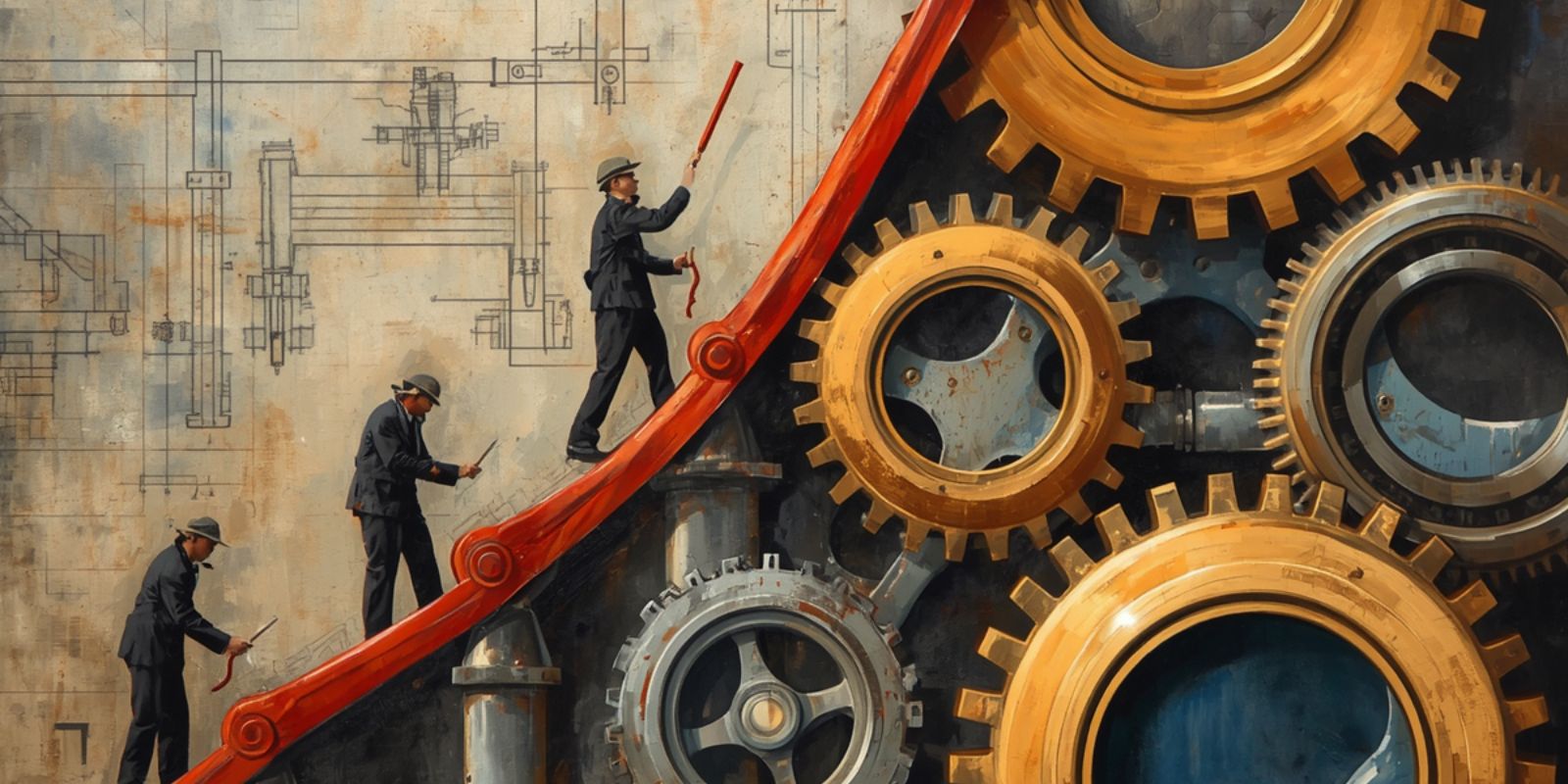
In today’s fast-changing business environment, enterprises are under immense pressure to adapt, innovate, and scale. Digital disruption, global competition, remote work, and shifting employee expectations have transformed how organizations operate. At the center of this transformation lies leadership. But leadership alone is not enough—how enterprises structure, deploy, and develop their leadership workforce is what truly determines long-term success. This is where Enterprise Leadership Workforce Models become critical.
These models define how leadership roles are organized, how talent is sourced, how teams are structured, and how decision-making flows across the organization. A strong leadership workforce model aligns people, strategy, and culture, ensuring enterprises remain resilient and competitive.
This article explores the importance of enterprise leadership workforce models, their core components, types, benefits, challenges, and best practices for implementation.
What Are Enterprise Leadership Workforce Models?
Enterprise leadership workforce models are structured frameworks that guide how leadership talent is planned, recruited, deployed, developed, and retained across large organizations. Unlike traditional hierarchical models, modern leadership workforce models focus on agility, collaboration, and performance.
They integrate workforce planning, succession management, leadership development, and performance management into one strategic system. The goal is to ensure the right leaders are in the right roles at the right time.
Why Leadership Workforce Models Matter for Enterprises
Enterprises operate across multiple regions, functions, and markets. Without a clear leadership workforce structure, organizations face challenges such as:
- Leadership skill gaps
- Poor succession planning
- Low employee engagement
- Slow decision-making
- Misalignment between strategy and execution
A well-designed leadership workforce model addresses these issues by providing clarity, consistency, and scalability.
Core Components of Leadership Workforce Models
1. Strategic Workforce Planning
This involves forecasting future leadership needs based on business goals, market trends, and organizational growth. It helps identify skill gaps and plan talent pipelines.
2. Role Architecture
Clearly defined leadership roles, responsibilities, and reporting structures ensure transparency and accountability.
3. Talent Acquisition and Mobility
Leadership models support both internal promotions and external hiring, encouraging cross-functional and cross-geographical mobility.
4. Leadership Development Programs
Continuous learning, mentoring, coaching, and leadership academies prepare future leaders.
5. Performance and Succession Management
Regular assessments and succession planning ensure continuity and readiness for leadership transitions.
Types of Enterprise Leadership Workforce Models
1. Traditional Hierarchical Model
This model follows a top-down structure with clear authority lines. It is suitable for stable industries but lacks agility.
2. Matrix Leadership Model
Leaders report to multiple managers across functions or projects, improving collaboration and flexibility.
3. Agile Leadership Model
Built around cross-functional teams, this model empowers leaders to make fast decisions and adapt quickly.
4. Distributed Leadership Model
Leadership responsibilities are shared across teams, encouraging ownership and innovation.
5. Hybrid Leadership Model
Combines traditional and agile approaches, offering both stability and adaptability.
Benefits of Strong Leadership Workforce Models
- Improved Business Agility: Faster response to market changes
- Stronger Succession Pipelines: Reduced leadership gaps
- Higher Employee Engagement: Clear growth pathways
- Better Decision-Making: Empowered leaders at all levels
- Scalable Growth: Leadership aligned with expansion strategies
Challenges in Implementing Leadership Workforce Models
Despite their value, enterprises often face obstacles such as:
- Resistance to change
- Lack of leadership buy-in
- Data silos
- Inconsistent performance metrics
- Cultural misalignment
Overcoming these challenges requires clear communication, executive support, and a phased implementation approach.
Best Practices for Building Effective Leadership Workforce Models
- Align with Business Strategy
Ensure leadership roles and skills match organizational goals. - Leverage Data and Analytics
Use workforce analytics to track performance, readiness, and skill gaps. - Promote Internal Mobility
Encourage leaders to move across roles and regions. - Invest in Leadership Development
Offer continuous training, coaching, and mentorship. - Create a Culture of Accountability
Tie leadership performance to measurable business outcomes.
The Future of Enterprise Leadership Workforce Models
As enterprises embrace AI, automation, and remote work, leadership workforce models will continue to evolve. Future models will focus on digital skills, emotional intelligence, inclusivity, and adaptability. Organizations that invest in modern leadership frameworks will be better prepared to navigate uncertainty and achieve sustainable growth.
Conclusion
Enterprise Leadership Workforce Models are no longer optional—they are essential for business success. By structuring leadership talent strategically, enterprises can drive innovation, resilience, and long-term growth. A strong leadership workforce model ensures that leaders are not only capable but also aligned with the organization’s vision, values, and future goals.