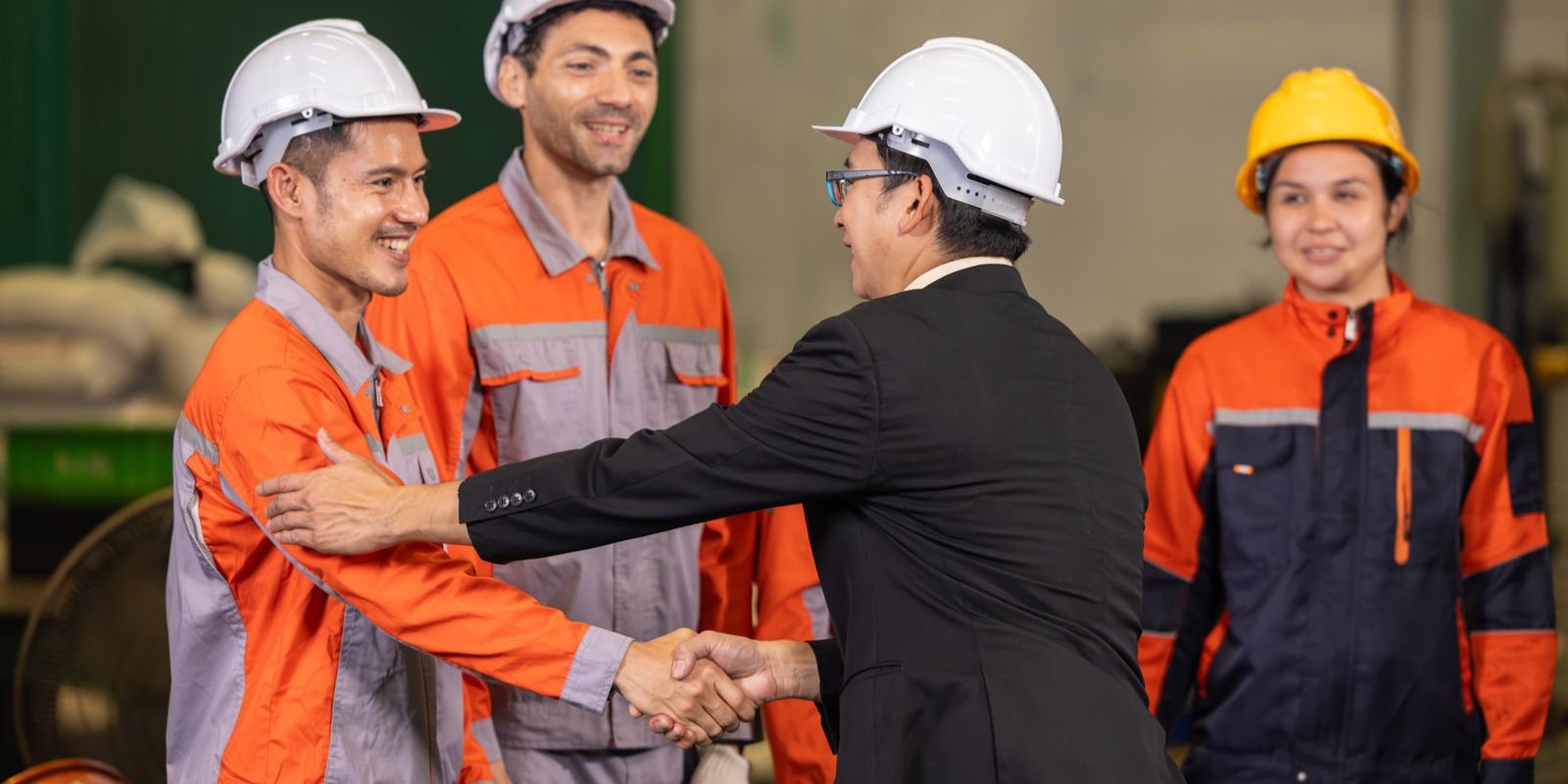
Employees are one of the most important resources in any organization. Their skills, effort, creativity, reliability, and commitment contribute directly to business performance. While salary, benefits, and career opportunities are important, employees also want to know that their work is noticed and valued.
This is where employee appreciation becomes an important part of workplace management.
Employee appreciation means recognizing employees for their contributions, effort, achievements, improvement, teamwork, and commitment. It does not always require expensive rewards or formal programs. Sometimes, a simple thank-you, public recognition, supportive feedback, or appreciation message can make employees feel valued.
When employees feel that their contributions matter, organizations can create a more positive workplace environment. Appreciation can encourage stronger engagement, better communication, improved teamwork, and greater commitment to organizational goals.
A workplace where employees feel recognized can also create an environment in which people are more willing to contribute ideas, support colleagues, and take ownership of their responsibilities.
What Is Employee Appreciation?
Employee appreciation is the practice of recognizing and acknowledging employees for the value they bring to an organization.
It can take many forms, including:
- Verbal appreciation
- Written appreciation
- Employee recognition programs
- Performance awards
- Team celebrations
- Appreciation messages
- Certificates
- Career development opportunities
- Flexible benefits
- Public recognition
- Manager feedback
The most effective appreciation is often specific and genuine.
Instead of simply saying “Good job,” a manager can explain what the employee did well and how it helped the team or business.
For example:
“Thank you for handling the customer issue quickly and keeping the team informed. Your response helped us resolve the situation without disrupting operations.”
Specific recognition makes appreciation more meaningful because employees understand exactly what contribution was valued.
Why Employee Appreciation Matters
Employees spend a significant part of their lives contributing to their organizations. Recognition can help them understand that their effort is visible and meaningful.
Without appreciation, employees may feel that good performance is simply expected and rarely acknowledged.
A consistent appreciation culture can help organizations create stronger relationships between employees and managers.
It can also contribute to:
- Better employee engagement
- Stronger workplace relationships
- Improved morale
- Greater teamwork
- Increased motivation
- Better communication
- Stronger employee commitment
Employee appreciation should therefore be considered part of a broader people-management strategy.
Appreciation Can Support Employee Motivation
Motivation is influenced by many factors, including meaningful work, career development, leadership, compensation, workplace culture, and recognition.
Appreciation can complement these factors by providing employees with positive feedback about their contribution.
When employees receive recognition for achieving goals or handling responsibilities effectively, they have clearer signals about the behaviors and outcomes the organization values.
For example, recognizing employees for:
- Meeting deadlines
- Supporting colleagues
- Improving processes
- Serving customers effectively
- Maintaining quality
- Taking ownership
- Solving problems
can reinforce positive workplace behaviors.
Employee Appreciation and Workplace Performance
Workplace performance is not determined by individual effort alone. Employees operate within teams, processes, systems, and leadership structures.
Appreciation can contribute to a workplace environment where employees understand that performance and contribution are recognized.
Consider an employee who consistently completes important tasks but rarely receives feedback. Over time, the employee may not know whether their work is making a meaningful difference.
Regular recognition can provide clarity.
Managers can connect employee contributions to broader business outcomes.
For example:
Employee effort → Better service → Customer satisfaction → Business performance
When employees understand this connection, their responsibilities can feel more meaningful.
Recognition Encourages Better Teamwork
Businesses depend on teamwork.
Employees often need to cooperate across departments, shifts, locations, and responsibilities. Recognizing collaborative behavior can encourage stronger teamwork.
Organizations can appreciate employees who:
- Help colleagues
- Share knowledge
- Support new employees
- Resolve team conflicts
- Assist during busy periods
- Communicate effectively
- Take responsibility during challenging situations
Team-based recognition can also prevent appreciation from becoming focused only on individual performance.
When collaboration is recognized, employees may have stronger incentives to support each other.
Managers Play an Important Role
Managers and supervisors are often closest to day-to-day employee performance.
They see the small actions that senior leadership may not notice.
A supervisor may see an employee:
- Helping a new team member
- Staying late to complete an urgent task
- Solving a customer problem
- Supporting a colleague
- Maintaining quality under pressure
- Taking initiative during a busy shift
Managers can recognize these contributions in real time.
This makes appreciation more timely and relevant.
Employee appreciation should not be limited to annual performance reviews. Recognition can happen throughout the year.
Appreciation Does Not Always Require Money
One common misconception is that employee appreciation always requires financial rewards.
While bonuses and incentives can be valuable in appropriate situations, appreciation can also be simple and personal.
Examples include:
A Thank-You Message
A short message acknowledging an employee’s effort can have value.
Public Recognition
Mentioning an employee’s contribution during a team meeting can show that their work is noticed.
Appreciation Certificates
Certificates can provide formal recognition for specific achievements.
Leadership Recognition
A message from a senior leader can make an achievement feel particularly meaningful.
Development Opportunities
Giving employees opportunities to learn, lead, or participate in important projects can demonstrate trust and recognition.
Team Celebrations
Celebrating milestones can strengthen team relationships.
The key is not necessarily the cost of the reward. It is the relevance and sincerity of the recognition.
Appreciation Should Be Specific and Fair
Employee appreciation works best when employees believe recognition is genuine and fair.
Organizations should avoid recognizing only the most visible employees while overlooking people who consistently contribute behind the scenes.
For example, appreciation should also consider employees responsible for:
- Administrative support
- Operations
- Documentation
- Customer service
- Workforce coordination
- Maintenance
- Logistics
- Quality control
- Back-office activities
Every function contributes to business performance.
A fair recognition culture should consider different types of contributions rather than focusing only on easily measurable achievements.
Employee Appreciation in Frontline Workforces
Employee appreciation can be particularly important for frontline and operational employees.
Workers in manufacturing, logistics, FMCG, retail, healthcare, warehousing, housekeeping, security, and other operational roles often contribute directly to daily business activities.
Their work may involve:
- Long shifts
- Physical responsibilities
- Customer interaction
- Operational pressure
- Strict schedules
- Repetitive processes
- High service expectations
Recognizing their contribution can help create a stronger connection between employees and the organization.
For staffing companies and businesses managing large workforces, appreciation can also support stronger employee relationships.
Connecting Appreciation With Company Values
Employee recognition becomes more meaningful when it is connected to organizational values.
If a company values customer service, employees who demonstrate excellent customer support can be recognized.
If safety is a priority, employees who consistently follow safety procedures can receive appreciation.
If teamwork is important, collaborative behavior can be highlighted.
This creates a clear relationship between:
Company Values → Employee Behavior → Recognition → Workplace Culture
Over time, recognition can reinforce the behaviors organizations want to encourage.
Technology Can Support Recognition
Modern HR and workforce management platforms can help organizations organize employee recognition programs.
Businesses can use digital tools to:
- Track achievements
- Share appreciation messages
- Manage recognition programs
- Collect employee feedback
- Monitor participation
- Celebrate milestones
- Maintain recognition records
Technology can make recognition programs more consistent, particularly in large organizations with employees working across multiple locations.
However, technology should support—not replace—genuine human recognition.
A personalized message from a manager can often be more meaningful than an automated notification.
Common Mistakes in Employee Appreciation
Organizations can unintentionally reduce the effectiveness of recognition by making a few common mistakes.
Recognizing Only Top Performers
Consistent contributors may also deserve recognition.
Being Too General
Specific appreciation is usually more meaningful than generic praise.
Recognizing Employees Too Late
Recognition is often more effective when it follows the contribution relatively soon.
Showing Favoritism
Recognition should follow clear and fair principles.
Making Appreciation Inconsistent
Recognition should not happen only when managers remember.
Focusing Only on Results
Effort, teamwork, improvement, problem-solving, and positive workplace behavior can also deserve recognition.
Avoiding these mistakes can help businesses build a healthier appreciation culture.
How HR Can Build an Appreciation Culture
HR teams can create structured employee appreciation programs that support organizational goals.
Some practical approaches include:
- Monthly employee recognition
- Team achievement awards
- Service milestone recognition
- Peer-to-peer appreciation
- Manager appreciation training
- Customer service recognition
- Innovation awards
- Safety recognition
- Attendance recognition
- Employee appreciation events
The program should remain simple enough for managers and employees to participate consistently.
Measuring the Impact of Appreciation
Organizations can evaluate employee appreciation initiatives through employee feedback and workforce indicators.
Possible measures include:
- Employee engagement survey results
- Recognition participation
- Employee feedback
- Retention trends
- Absenteeism patterns
- Internal promotion rates
- Team participation
- Manager recognition frequency
These measures should be interpreted alongside other workplace factors because employee performance and retention are influenced by many variables.
Conclusion
Employee appreciation is more than saying “thank you.” It is about creating a workplace where people understand that their contributions are visible, meaningful, and connected to organizational success.
When employees receive timely, specific, and fair recognition, organizations can strengthen communication, teamwork, morale, and workplace culture.
Appreciation does not always require expensive rewards. A thoughtful message, meaningful feedback, public recognition, or development opportunity can demonstrate that employee contributions matter.
For HR teams, managers, and business leaders, building a culture of appreciation can become an important part of people management.
Employees contribute to business success every day. Recognizing that contribution helps create a workplace where people feel valued, connected, and motivated to continue doing meaningful work.