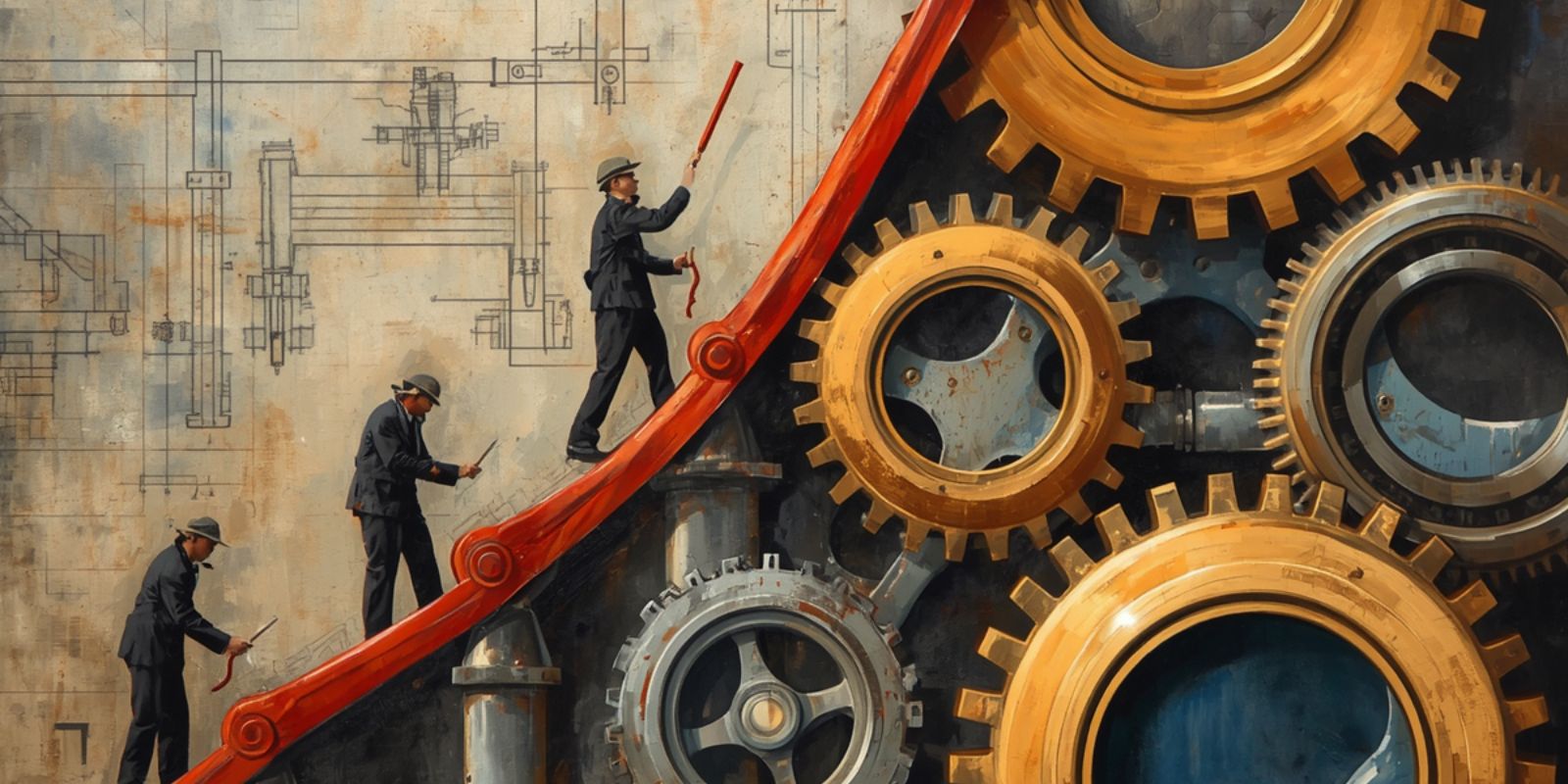
In today’s dynamic and competitive business environment, organizations are constantly seeking ways to scale efficiently while maintaining productivity, innovation, and cost control. One of the most impactful ways to achieve sustainable growth is by adopting efficient workforce models. These models are designed to align talent with business goals, optimize resource utilization, and create a flexible structure that can adapt to changing market demands.
Efficient workforce models are not just about hiring the right people—they involve strategic planning, workforce segmentation, technology integration, and continuous performance management. Companies that embrace these models are better positioned to respond to disruptions, seize opportunities, and maintain a competitive edge.
Understanding Efficient Workforce Models
An efficient workforce model is a structured approach to managing human resources in a way that maximizes output while minimizing waste. It focuses on placing the right talent in the right roles at the right time, ensuring that every employee contributes effectively to organizational goals.
These models typically combine various employment types, including full-time employees, contract workers, freelancers, and remote teams. By leveraging a mix of talent, businesses can scale operations quickly without incurring unnecessary overhead costs.
Importance of Workforce Efficiency in Growth
Efficiency in workforce management directly impacts an organization’s ability to grow. When resources are utilized effectively, businesses can increase productivity, reduce costs, and improve overall performance.
Efficient workforce models enable organizations to:
- Adapt quickly to market changes
- Improve employee productivity
- Reduce operational costs
- Enhance customer satisfaction
- Support innovation and agility
In a rapidly evolving business landscape, companies that fail to optimize their workforce often struggle with inefficiencies, high turnover, and missed opportunities.
Types of Efficient Workforce Models
1. Flexible Workforce Model
A flexible workforce model allows organizations to adjust staffing levels based on demand. This includes part-time employees, freelancers, and temporary workers.
This model is particularly useful for industries with seasonal demand or project-based work. It ensures that businesses have access to talent when needed without maintaining a large permanent workforce.
2. Hybrid Workforce Model
The hybrid workforce model combines remote and on-site employees. It offers flexibility to employees while maintaining operational efficiency.
With advancements in digital tools, hybrid models have become increasingly popular. They help organizations reduce infrastructure costs and improve employee satisfaction.
3. Agile Workforce Model
An agile workforce model focuses on adaptability and collaboration. Employees are organized into cross-functional teams that can quickly respond to changing business needs.
This model promotes innovation, faster decision-making, and continuous improvement, making it ideal for fast-growing organizations.
4. Outsourcing and Managed Services Model
Outsourcing allows businesses to delegate specific functions to external service providers. Managed services take this a step further by outsourcing entire processes.
This model helps organizations focus on core competencies while leveraging external expertise for non-core activities.
5. Skill-Based Workforce Model
In this model, employees are assigned roles based on their skills rather than job titles. It ensures optimal utilization of talent and encourages continuous learning.
Skill-based models are highly effective in organizations that require specialized expertise and rapid innovation.
Key Components of an Efficient Workforce Model
Strategic Workforce Planning
Strategic workforce planning involves forecasting future talent needs and aligning them with business objectives. It ensures that organizations have the right talent pipeline to support growth.
Talent Acquisition and Management
Efficient hiring practices are crucial for building a strong workforce. Organizations must focus on attracting, selecting, and retaining top talent.
Technology Integration
Digital tools and platforms play a significant role in workforce efficiency. From HR management systems to collaboration tools, technology enhances productivity and streamlines operations.
Performance Management
Continuous performance evaluation helps organizations identify strengths, address weaknesses, and improve overall productivity.
Employee Engagement
Engaged employees are more productive and committed to organizational goals. Efficient workforce models prioritize employee well-being and satisfaction.
Benefits of Efficient Workforce Models
Increased Productivity
By aligning talent with roles and responsibilities, organizations can maximize output and minimize inefficiencies.
Cost Optimization
Efficient workforce models reduce unnecessary expenses by optimizing resource allocation and minimizing idle time.
Scalability
Businesses can scale operations quickly by leveraging flexible and hybrid workforce models.
Improved Employee Satisfaction
Flexible work arrangements and skill-based roles enhance employee satisfaction and retention.
Enhanced Innovation
Agile and collaborative workforce models foster creativity and innovation, driving business growth.
Challenges in Implementing Workforce Models
Despite their benefits, implementing efficient workforce models comes with challenges:
- Resistance to change
- Lack of proper planning
- Skill gaps in the workforce
- Integration of technology
- Managing remote teams effectively
Organizations must address these challenges through effective leadership, training, and communication.
Strategies for Building an Efficient Workforce Model
1. Assess Current Workforce Structure
Organizations should evaluate their existing workforce to identify gaps and inefficiencies. This helps in designing a model that aligns with business goals.
2. Define Clear Objectives
Clear goals provide direction and ensure that workforce strategies support overall business growth.
3. Invest in Technology
Digital transformation is essential for workforce efficiency. Investing in the right tools improves communication, collaboration, and productivity.
4. Focus on Skill Development
Continuous learning and development programs help employees stay relevant and contribute effectively.
5. Promote Flexibility
Flexible work arrangements improve employee satisfaction and enable organizations to adapt to changing demands.
6. Monitor and Optimize
Regular evaluation of workforce performance ensures continuous improvement and long-term success.
Role of Leadership in Workforce Efficiency
Leadership plays a critical role in implementing and sustaining efficient workforce models. Leaders must:
- Encourage innovation and adaptability
- Foster a culture of collaboration
- Support employee development
- Drive strategic decision-making
Strong leadership ensures that workforce strategies align with organizational goals and deliver desired outcomes.
Future Trends in Workforce Models
The future of workforce management is evolving rapidly, driven by technology and changing employee expectations. Some key trends include:
Remote and Distributed Workforces
Remote work is becoming a standard practice, enabling organizations to access global talent.
Automation and AI Integration
Automation reduces repetitive tasks, allowing employees to focus on strategic activities.
Gig Economy Growth
Freelancers and contract workers are playing a larger role in workforce models.
Data-Driven Workforce Management
Organizations are using analytics to make informed decisions about talent and performance.
Conclusion
Efficient workforce models are essential for organizations aiming to achieve sustainable growth in a competitive market. By adopting flexible, agile, and technology-driven approaches, businesses can optimize their workforce, enhance productivity, and drive innovation.
The key to success lies in strategic planning, continuous improvement, and a strong focus on employee engagement. Organizations that invest in efficient workforce models are better equipped to navigate challenges, seize opportunities, and achieve long-term success.