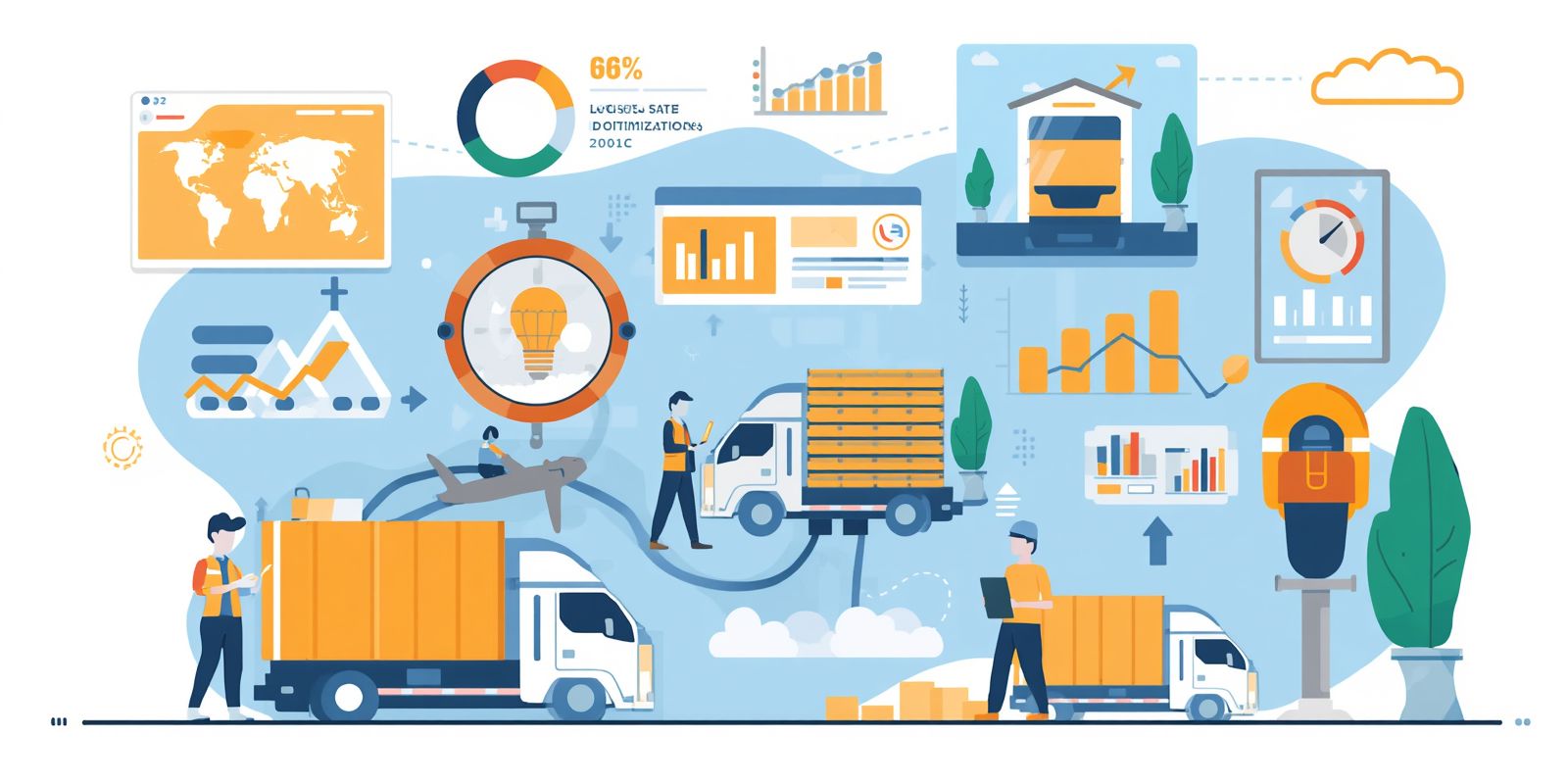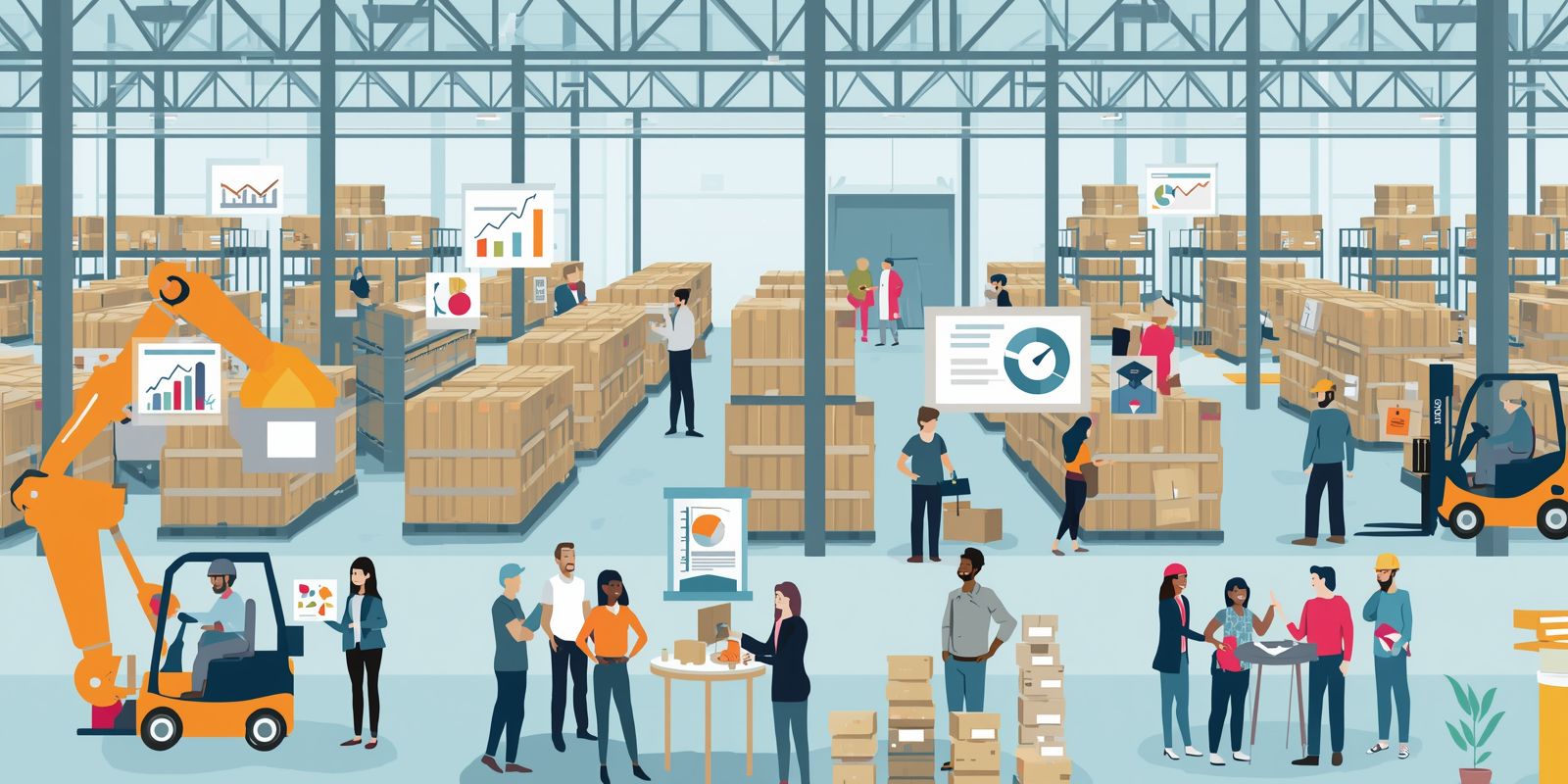
In today’s fast-paced and highly competitive business environment, distribution plays a crucial role in ensuring products reach customers efficiently and on time. Whether it’s retail, e-commerce, manufacturing, or FMCG, a strong distribution network is the backbone of operational success. However, what truly powers this network is not just infrastructure or technology—but the people behind it. Distribution staffing has emerged as a strategic driver for business growth, enabling organizations to scale operations, improve efficiency, and meet dynamic market demands.
Understanding Distribution Staffing
Distribution staffing refers to the process of hiring, training, and managing workforce talent across various roles in the supply chain and distribution ecosystem. These roles include warehouse workers, inventory managers, logistics coordinators, delivery personnel, supervisors, and operations managers.
A well-structured distribution workforce ensures that goods move seamlessly from production units to warehouses and ultimately to customers. Companies that invest in efficient staffing models gain a competitive advantage by improving service levels, reducing delays, and enhancing customer satisfaction.
The Role of Distribution Staffing in Business Growth
1. Enhancing Operational Efficiency
Efficient staffing ensures that every stage of the distribution process runs smoothly. From order processing to packaging and last-mile delivery, having the right number of skilled employees reduces bottlenecks and errors.
When staffing is optimized:
- Order fulfillment becomes faster
- Inventory is managed accurately
- Delivery timelines are met consistently
This leads to improved productivity and reduced operational costs, directly contributing to business growth.
2. Supporting Scalability
As businesses grow, their distribution needs become more complex. Seasonal demand spikes, new market expansions, and product diversification require flexible staffing solutions.
Distribution staffing allows companies to:
- Scale workforce up or down based on demand
- Deploy temporary or contract workers during peak seasons
- Expand into new regions without operational delays
Scalability ensures that growth opportunities are not missed due to workforce limitations.
3. Improving Customer Satisfaction
In today’s customer-centric world, timely delivery and accurate order fulfillment are critical. A well-trained distribution team ensures that customers receive the right products at the right time.
Satisfied customers lead to:
- Higher retention rates
- Positive brand reputation
- Increased repeat business
Thus, staffing directly influences customer experience and long-term growth.
4. Reducing Operational Risks
Understaffing or hiring untrained workers can lead to delays, errors, and even financial losses. Proper distribution staffing minimizes risks by ensuring that all roles are filled with competent professionals.
Risk reduction benefits include:
- Fewer delivery errors
- Better compliance with safety standards
- Reduced employee turnover
A stable and skilled workforce ensures consistent performance and reliability.
Key Roles in Distribution Staffing
A successful distribution system relies on a diverse range of roles, each contributing to overall efficiency.
Warehouse Staff
Responsible for receiving, storing, and dispatching goods. Their efficiency directly impacts inventory accuracy and order fulfillment speed.
Inventory Managers
They monitor stock levels, forecast demand, and ensure that inventory is always optimized to prevent shortages or overstocking.
Logistics Coordinators
They manage transportation, route planning, and delivery schedules, ensuring timely movement of goods.
Delivery Personnel
They handle last-mile delivery, playing a crucial role in customer satisfaction.
Supervisors and Managers
They oversee operations, manage teams, and ensure that all processes align with business goals.
Challenges in Distribution Staffing
Despite its importance, distribution staffing comes with several challenges that businesses must address.
1. High Attrition Rates
Distribution roles often involve physical work and long hours, leading to higher turnover. Frequent hiring and training can increase costs and disrupt operations.
2. Skill Gaps
Many organizations struggle to find workers with the right skills, especially in areas like inventory management, logistics planning, and technology usage.
3. Seasonal Demand Fluctuations
Industries such as e-commerce and retail experience sharp demand spikes during festivals or sales events, making workforce planning difficult.
4. Compliance and Safety Issues
Distribution operations must adhere to labor laws and safety regulations. Poor staffing practices can lead to legal complications and workplace accidents.
Strategies for Effective Distribution Staffing
To overcome these challenges and drive growth, businesses must adopt strategic staffing approaches.
1. Workforce Planning
Effective workforce planning involves analyzing business needs and forecasting staffing requirements. Companies should consider:
- Demand patterns
- Business expansion plans
- Seasonal variations
This helps in maintaining an optimal workforce at all times.
2. Leveraging Technology
Modern staffing solutions use technology such as AI and data analytics to improve hiring and workforce management.
Benefits include:
- Faster recruitment processes
- Better candidate matching
- Real-time workforce tracking
Technology-driven staffing enhances efficiency and decision-making.
3. Training and Development
Investing in employee training ensures that workers are skilled and capable of handling complex tasks.
Training programs should focus on:
- Operational efficiency
- Safety protocols
- Technology usage
A well-trained workforce improves productivity and reduces errors.
4. Flexible Staffing Models
Businesses should adopt flexible staffing models, including:
- Temporary staffing
- Contract-based hiring
- Outsourcing
This allows organizations to adapt quickly to changing demands without long-term commitments.
5. Employee Engagement and Retention
Retaining skilled workers is as important as hiring them. Companies should focus on:
- Competitive salaries
- Safe working conditions
- Career growth opportunities
Engaged employees are more productive and loyal, contributing to long-term success.
The Impact of Distribution Staffing on Different Industries
E-commerce
Fast and accurate deliveries are critical. Efficient staffing ensures smooth order processing and last-mile delivery.
Retail
Proper staffing helps manage inventory across multiple locations and ensures timely restocking.
Manufacturing
Distribution staffing ensures that finished goods reach distributors and customers without delays.
FMCG
High-volume distribution requires a strong workforce to handle rapid movement of goods and frequent deliveries.
Future Trends in Distribution Staffing
The future of distribution staffing is evolving with advancements in technology and changing business needs.
Automation and Robotics
While automation is reducing manual work, it is also creating demand for skilled workers who can manage and maintain advanced systems.
Gig Economy Workforce
More businesses are relying on gig workers for delivery and short-term roles, providing flexibility and cost efficiency.
Data-Driven Staffing
Companies are using data analytics to predict workforce needs and optimize staffing strategies.
Focus on Employee Well-being
Organizations are increasingly prioritizing employee health, safety, and work-life balance to improve retention and productivity.
Conclusion
Distribution staffing is no longer just an operational necessity—it is a strategic enabler of business growth. A well-planned and efficiently managed workforce ensures smooth operations, enhances customer satisfaction, and supports scalability.
Businesses that invest in the right staffing strategies can overcome challenges, adapt to market changes, and build a resilient distribution network. As industries continue to evolve, the importance of skilled and flexible distribution staffing will only grow, making it a key driver of long-term success.