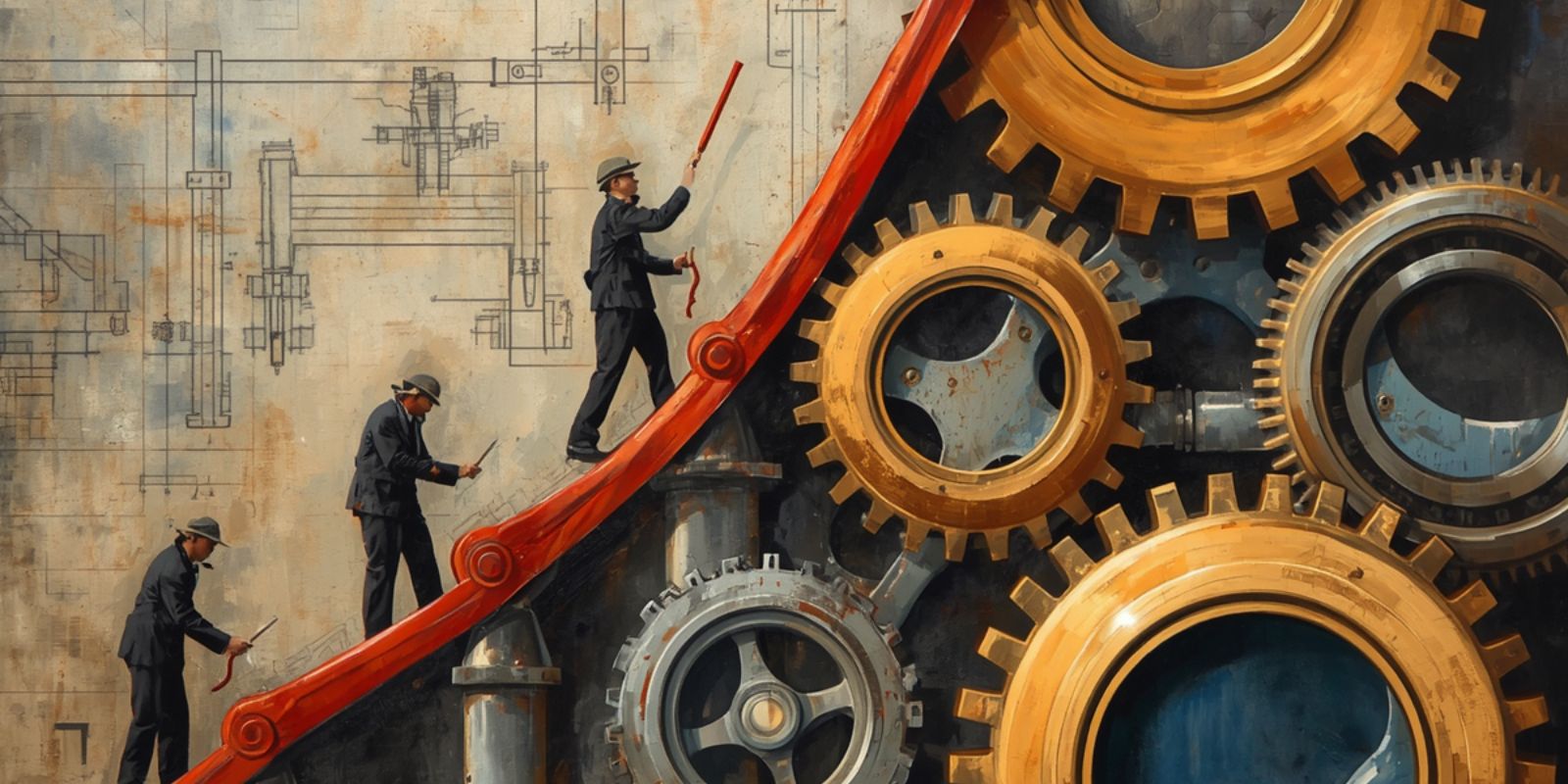
In today’s fast-changing business environment, organizations are under pressure to innovate, scale quickly, and stay competitive. Traditional workforce structures alone can no longer support the speed, flexibility, and efficiency modern companies need. This is where digital workforce models come in. By blending technology, data, and human talent, digital workforce models enable businesses to grow faster, adapt to change, and create sustainable value.
From automation and remote work to AI-powered talent platforms, digital workforce models redefine how work gets done. Companies that adopt these models are not only improving productivity but also building agile organizations ready for the future. This article explores what digital workforce models are, why they matter, and how they drive long-term business growth.
Understanding Digital Workforce Models
A digital workforce model integrates digital tools, automation, data, and flexible talent strategies into daily operations. It shifts the workforce from static, office-bound roles to a dynamic system where employees, freelancers, AI, and digital platforms work together.
Instead of relying only on permanent staff, businesses use a mix of:
- Full-time employees
- Remote and hybrid teams
- Freelancers and gig workers
- AI tools and robotic process automation (RPA)
- Cloud-based collaboration platforms
This model creates a connected ecosystem that allows organizations to respond quickly to market changes and customer demands.
Why Digital Workforce Models Matter for Growth
Growth today depends on speed, efficiency, and innovation. Digital workforce models make this possible by:
1. Increasing Operational Efficiency
Automation handles repetitive tasks, freeing employees to focus on high-value work. This reduces errors, saves time, and improves output quality.
2. Enabling Business Scalability
Companies can scale their workforce up or down without long hiring cycles. Digital platforms make it easier to access global talent instantly.
3. Reducing Costs
Remote work and automation lower infrastructure, recruitment, and operational costs while maintaining productivity.
4. Supporting Innovation
With digital tools and data insights, teams can experiment, collaborate, and innovate faster.
Key Types of Digital Workforce Models
1. Hybrid Workforce Model
This combines in-office employees with remote and contract workers. Cloud tools and virtual collaboration platforms enable seamless communication across locations.
2. Automation-Driven Model
Here, RPA, AI, and machine learning perform routine tasks like data entry, payroll, and customer queries. Employees then focus on strategic roles.
3. Gig and On-Demand Talent Model
Organizations hire skilled professionals on a project basis through digital platforms. This allows access to specialized talent without long-term commitments.
4. AI-Augmented Workforce Model
AI supports decision-making, forecasting, and customer service while employees manage strategy, creativity, and relationships.
5. Platform-Based Workforce Model
Work is managed through digital platforms that track performance, assign tasks, and measure productivity in real time.
How Digital Workforce Models Drive Business Growth
Faster Time to Market
Digital teams collaborate instantly, reducing delays in product development and service delivery.
Higher Employee Productivity
With automation handling routine work, employees can focus on innovation and customer value.
Improved Customer Experience
AI chatbots, digital service tools, and data analytics help companies provide faster, personalized service.
Better Talent Utilization
Organizations can match the right skills to the right tasks using digital platforms, maximizing workforce impact.
Role of Technology in Digital Workforce Models
Technology is the foundation of digital workforce transformation. Key tools include:
- Cloud collaboration platforms for remote teamwork
- AI and machine learning for predictive insights
- RPA tools for task automation
- HR analytics software for performance tracking
- Cybersecurity systems to protect data
Together, these technologies create a connected, data-driven workforce environment.
Leadership and Culture in a Digital Workforce
Technology alone is not enough. Leaders must promote a culture of flexibility, continuous learning, and digital trust. Employees should be encouraged to upskill and adapt to new tools.
Clear communication, transparency, and employee engagement are essential for successful digital workforce adoption.
Overcoming Challenges
While digital workforce models offer many benefits, they also present challenges such as:
- Data security risks
- Resistance to change
- Skills gaps
- Managing remote teams
Organizations must invest in training, cybersecurity, and change management to overcome these barriers.
Future of Digital Workforce Models
The future workforce will be increasingly digital, flexible, and global. AI, automation, and data will continue to reshape how businesses operate. Companies that adopt digital workforce models today will be better prepared for tomorrow’s competitive landscape.
Conclusion
Digital workforce models are no longer optional—they are essential for sustainable business growth. By combining technology, flexible talent strategies, and data-driven insights, organizations can improve efficiency, scale faster, and innovate continuously. Businesses that embrace these models will lead the future of work and stay ahead in an increasingly digital world.