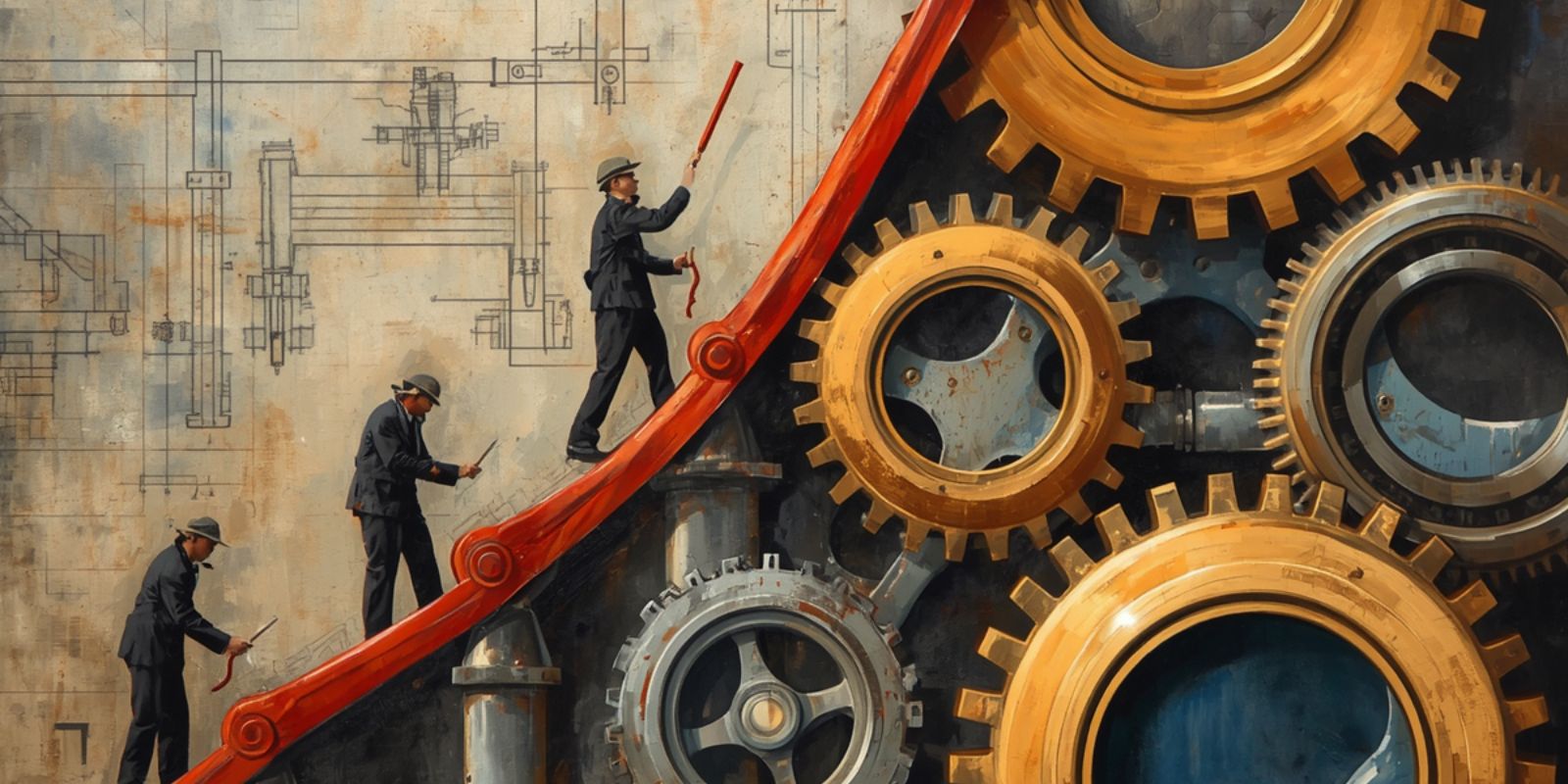
In today’s fast-paced business environment, organizations are no longer driven by instinct or manual processes when managing their workforce. Instead, they rely on data, automation, and artificial intelligence to guide decisions. This shift has given rise to Digital Workforce Intelligence Models—a powerful framework that combines technology, analytics, and human insight to transform how companies plan, manage, and optimize their people.
These models go beyond traditional HR reporting. They provide predictive insights, real-time visibility, and strategic foresight that empower leaders to make smarter workforce decisions. As businesses become more digital, workforce intelligence is quickly becoming a competitive necessity rather than a luxury.
This article explores what Digital Workforce Intelligence Models are, how they work, their benefits, key components, and how organizations can successfully implement them.
What Are Digital Workforce Intelligence Models?
Digital Workforce Intelligence Models are data-driven frameworks that analyze employee behavior, performance, skills, engagement, and productivity using digital tools. They combine:
- Artificial intelligence
- Machine learning
- People analytics
- Automation platforms
- Cloud-based workforce systems
Together, these technologies create a continuous feedback loop of data and insights. This allows organizations to understand their workforce in real time, predict future needs, and align talent strategies with business goals.
Unlike static reports, these models adapt and evolve as new data enters the system. They learn patterns, forecast risks, and recommend actions, helping companies stay agile in a rapidly changing market.
Why Workforce Intelligence Matters Today
Modern workplaces face complex challenges such as remote work, skills shortages, high turnover, and rising employee expectations. Traditional HR tools are not designed to handle this level of complexity.
Digital Workforce Intelligence Models solve this problem by:
- Turning data into actionable insights
- Improving decision accuracy
- Reducing operational costs
- Enhancing employee experience
- Supporting long-term workforce planning
Organizations that embrace workforce intelligence gain clarity over how their people contribute to business success.
Core Components of Digital Workforce Intelligence Models
1. Data Integration Layer
This layer gathers data from multiple systems such as HRMS, payroll, performance tools, learning platforms, attendance systems, and collaboration software. It creates a single source of truth.
2. Analytics and AI Engine
Advanced algorithms process the data to detect trends, predict outcomes, and identify risks such as attrition, skill gaps, and performance decline.
3. Visualization and Dashboards
Interactive dashboards convert complex data into easy-to-read charts and reports for leaders and HR teams.
4. Automation and Workflow Layer
This component triggers automated actions such as alerts, training recommendations, workforce reallocation, and performance interventions.
5. Strategic Decision Framework
Insights from the model feed into leadership decisions on hiring, training, restructuring, and workforce investments.
How These Models Work in Practice
A Digital Workforce Intelligence Model operates in four continuous steps:
- Collect – Gathers workforce data from internal and external systems.
- Analyze – Applies AI and statistical models to identify patterns.
- Predict – Forecasts trends such as turnover, productivity, and future skill needs.
- Act – Recommends or automates actions based on insights.
For example, if the model detects declining engagement in a department, it may predict higher attrition risk and suggest targeted interventions like training or workload changes.
Key Benefits of Digital Workforce Intelligence Models
Improved Hiring Decisions
Organizations can identify the skills and traits that predict success and hire more effectively.
Higher Productivity
Data insights help managers allocate work based on employee strengths and capacity.
Reduced Turnover
Predictive analytics identifies employees at risk of leaving, enabling early engagement.
Better Skill Development
Learning programs can be personalized based on individual performance and career goals.
Strategic Workforce Planning
Leaders gain visibility into future talent requirements and can prepare proactively.
Use Cases Across Industries
- Manufacturing: Predict absenteeism, optimize shift planning, and improve safety.
- IT & Tech: Identify skill gaps, manage remote teams, and forecast project staffing needs.
- Retail: Analyze employee performance, manage seasonal hiring, and improve retention.
- Healthcare: Balance workloads, reduce burnout, and ensure compliance.
- BFSI: Improve sales productivity, detect fraud risks, and optimize talent pipelines.
Challenges in Implementation
Despite the benefits, organizations face hurdles such as:
- Data quality issues
- Privacy and compliance concerns
- Resistance to change
- Integration complexity
- Skill gaps in analytics
Overcoming these challenges requires strong leadership, clear goals, and employee trust.
Best Practices for Adoption
- Start with a clear workforce strategy.
- Choose scalable digital platforms.
- Ensure data accuracy and governance.
- Train HR and leaders on analytics.
- Communicate transparently with employees.
- Continuously refine the model.
The Future of Workforce Intelligence
As AI evolves, Digital Workforce Intelligence Models will become more predictive, personalized, and autonomous. They will support real-time workforce decisions and enable organizations to respond instantly to market changes.
The future workplace will be driven by intelligence, not instinct. Companies that invest in digital workforce models today will build resilient, agile, and high-performing teams tomorrow.
If you want, I can also create a LinkedIn post, Instagram caption, or banner content based on this article.
Digital Workforce Intelligence Models”give me post with 1200 words and give me Focus Keyphrase, 6-Word SEO Title:, Meta Description (under 115 characters, and Tags with a comma with conclsion
Here is your complete SEO long-form post with a clear conclusion:
Digital Workforce Intelligence Models
Focus Keyphrase
Digital Workforce Intelligence Models
6-Word SEO Title
Digital Workforce Intelligence Models for Smarter Decisions
Meta Description (Under 115 Characters)
AI-driven workforce intelligence models that deliver real-time insights for better people and business decisions.
Tags
digital workforce, workforce intelligence, AI in HR, people analytics, HR technology, future of work, talent strategy, workforce planning
Digital Workforce Intelligence Models
In the digital age, organizations are under constant pressure to become faster, smarter, and more efficient. The workforce—once managed through intuition and basic reporting—is now guided by data, automation, and artificial intelligence. This evolution has led to the rise of Digital Workforce Intelligence Models, a strategic framework that helps organizations understand, predict, and optimize workforce performance through advanced technology.
These models allow companies to shift from reactive HR practices to proactive, insight-driven workforce strategies. Instead of asking what happened in the past, leaders can now predict what will happen next and take action before problems arise. As competition grows and skills become more dynamic, workforce intelligence has become a critical asset for sustainable growth.
What Are Digital Workforce Intelligence Models?
Digital Workforce Intelligence Models are data-driven systems that analyze workforce data using artificial intelligence, machine learning, and advanced analytics. They provide real-time insights into employee behavior, productivity, skills, engagement, and performance.
Unlike traditional HR reports that simply show historical data, these models predict future trends such as attrition, training needs, and workforce demand. They combine structured and unstructured data from multiple digital platforms to build a comprehensive view of the workforce.
These models act as a decision-support system for HR leaders, managers, and executives by offering recommendations based on real evidence rather than assumptions.
Why Digital Workforce Intelligence Is Essential
The modern workplace is more complex than ever before. Hybrid work, remote teams, digital collaboration tools, and evolving employee expectations make workforce management challenging. Digital Workforce Intelligence Models address these challenges by delivering clarity and control.
They help organizations:
- Anticipate workforce risks
- Improve employee engagement
- Enhance operational efficiency
- Support long-term business strategy
- Enable faster decision-making
By turning data into insight, these models allow businesses to align people strategies with organizational goals.
Key Components of Workforce Intelligence Models
1. Data Collection and Integration
This layer gathers information from HR systems, payroll, attendance, performance management, learning platforms, and collaboration tools. It creates a single, reliable data source.
2. AI and Analytics Engine
Advanced algorithms identify patterns, predict outcomes, and highlight risks such as high turnover or declining performance.
3. Visualization and Reporting
Dashboards and reports present insights in a clear, actionable format for decision-makers.
4. Automation and Action Layer
Insights trigger automated responses such as alerts, training recommendations, or staffing adjustments.
5. Strategic Decision Support
The final layer ensures workforce insights guide leadership decisions and long-term planning.
How These Models Work
- Collect: Data is gathered from internal and external systems.
- Analyze: AI tools process data and identify trends.
- Predict: The model forecasts outcomes like attrition or skills shortages.
- Act: Automated or manual actions improve workforce performance.
For example, if the system predicts low engagement in a department, it can recommend training programs or leadership interventions.
Business Benefits
Smarter Hiring
Identify high-performing talent profiles and improve recruitment outcomes.
Higher Productivity
Assign tasks based on skills and capacity.
Reduced Turnover
Predict employee exits and act early.
Personalized Learning
Deliver targeted development programs.
Strategic Workforce Planning
Prepare for future talent needs.
Industry Use Cases
- Manufacturing: Optimize shifts and reduce absenteeism.
- IT & Tech: Predict skill gaps and manage remote teams.
- Retail: Improve staffing and seasonal hiring.
- Healthcare: Prevent burnout and improve patient outcomes.
- BFSI: Enhance sales productivity and risk management.
Challenges and Solutions
Challenges include data privacy, integration complexity, and resistance to change. Organizations must focus on transparent communication, ethical data usage, and leadership support to ensure success.
Best Practices
- Define clear goals
- Use secure, scalable platforms
- Maintain data accuracy
- Train teams on analytics
- Continuously improve the model
Conclusion
Digital Workforce Intelligence Models are transforming how organizations manage their people. By combining AI, analytics, and automation, these models enable smarter decisions, higher productivity, and a more engaged workforce. Companies that adopt workforce intelligence today will be better equipped to adapt to change, drive innovation, and achieve long-term success in the future of work.