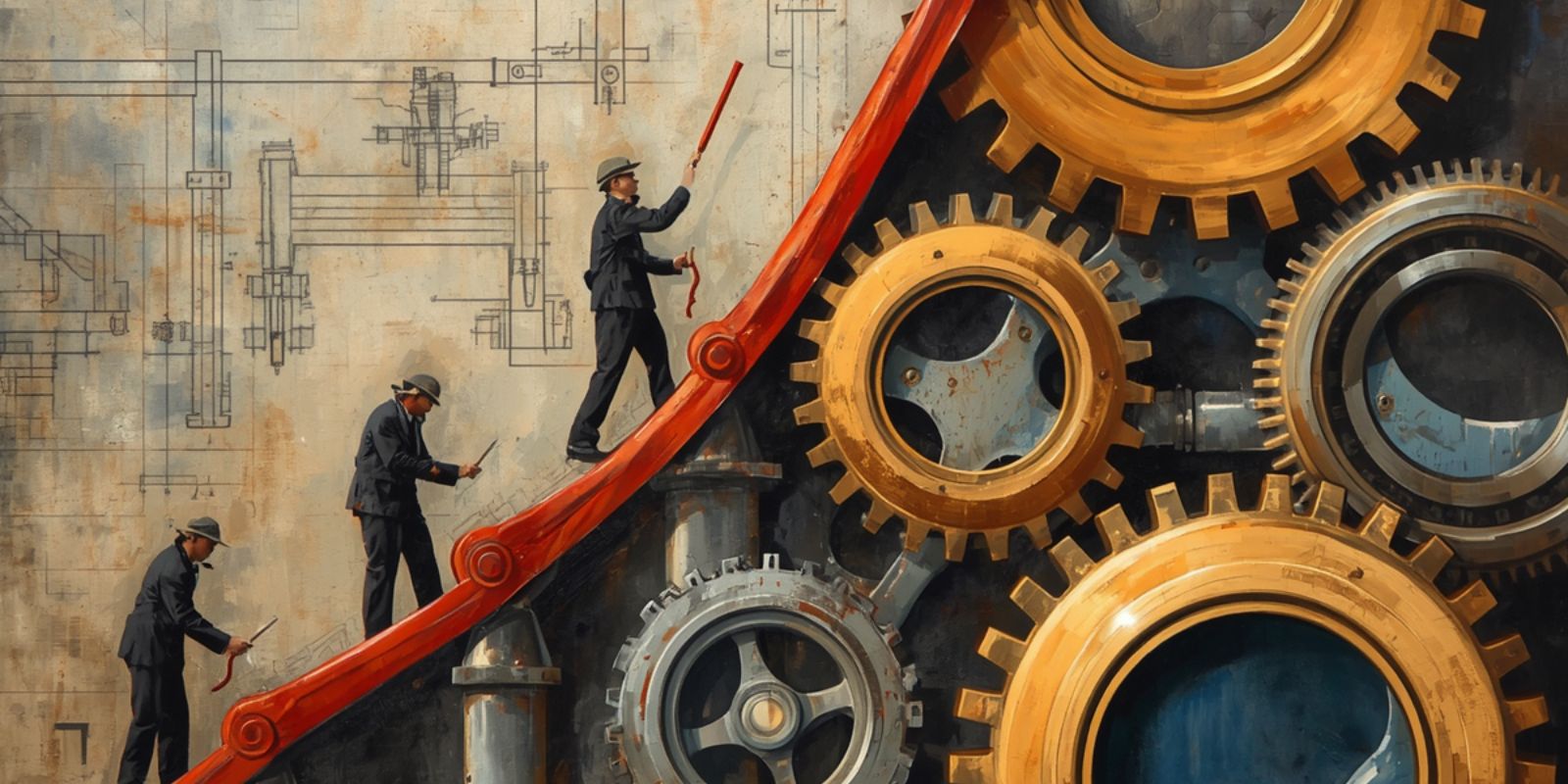
In today’s fast-moving digital economy, business success depends not only on technology but on the people who can use it effectively. Organizations across industries are rapidly adopting automation, cloud platforms, artificial intelligence, and data-driven tools. However, without the right workforce in place, these investments fail to deliver results. This is where Digital Talent Planning For Businesses becomes a strategic priority rather than an HR function.
Digital talent planning is the structured approach to identifying, developing, and retaining employees who possess the technical, analytical, and adaptive skills required in a digital-first environment. It ensures that businesses are not reacting to change but proactively preparing for it.
What Is Digital Talent Planning?
Digital talent planning is a long-term strategy that aligns workforce capabilities with business goals in a technology-driven world. It involves forecasting future skill needs, identifying gaps, building learning pathways, and ensuring that the right talent is available at the right time.
Unlike traditional manpower planning, digital talent planning focuses on:
- Technology-driven roles
- Hybrid skill sets (technical + soft skills)
- Continuous upskilling
- Data-driven workforce decisions
It transforms workforce management into a growth engine.
Why Digital Talent Planning Matters
1. Technology Is Changing Faster Than Ever
Cloud computing, AI, robotics, and automation are redefining job roles. Positions that did not exist five years ago are now essential. Without digital talent planning, businesses struggle to fill critical roles quickly.
2. Skill Shortages Are Rising
The global talent market is highly competitive. Skilled professionals in cybersecurity, data analytics, and digital operations are in short supply. Companies that plan early gain a significant advantage.
3. Business Agility Depends on People
Technology alone cannot create agility. Employees must understand how to use digital tools effectively. Talent planning ensures teams can adapt quickly to change.
Key Components of Digital Talent Planning
1. Workforce Skill Assessment
The first step is understanding your current capabilities. Map existing skills across departments and identify digital readiness levels.
2. Future Skills Forecasting
Analyze industry trends and business strategy to predict future talent requirements. For example:
- Data analysts
- Cloud engineers
- Digital marketers
- Automation specialists
3. Gap Analysis
Compare current skills with future requirements to identify gaps. This data becomes the foundation of your digital hiring and training strategy.
4. Learning & Upskilling Programs
Continuous learning is essential. Create internal training academies, online courses, mentorship programs, and certification paths.
5. Smart Recruitment Strategies
Use AI-driven recruitment tools, talent analytics, and digital platforms to hire faster and smarter.
How Digital Talent Planning Drives Business Growth
Improves Productivity
Employees with digital skills work more efficiently, automate routine tasks, and make data-driven decisions.
Supports Innovation
Digital talent enables organizations to develop new products, improve services, and enhance customer experiences.
Reduces Hiring Costs
Proactive planning reduces emergency hiring and dependency on expensive external consultants.
Enhances Employee Retention
Employees are more loyal when they see clear growth and learning opportunities.
Challenges in Digital Talent Planning
1. Resistance to Change
Employees may fear automation. Strong communication and leadership are required to build trust.
2. Rapid Skill Obsolescence
Digital skills evolve quickly, requiring continuous updates to training programs.
3. Data Limitations
Many organizations lack accurate workforce data to make informed decisions.
Best Practices for Effective Digital Talent Planning
- Align talent planning with business strategy
- Invest in learning technologies
- Use workforce analytics tools
- Promote a culture of innovation
- Partner with educational institutions
- Encourage cross-functional collaboration
Future of Digital Talent Planning
The future of business depends on people who can learn, adapt, and innovate in a digital world. Organizations that embrace digital talent planning today will lead their industries tomorrow. Workforce strategies will become predictive, automated, and fully integrated with business performance systems.
Conclusion
Digital Talent Planning For Businesses is no longer optional—it is essential. It bridges the gap between technology and people, ensuring organizations have the skills needed to grow, compete, and innovate. Companies that invest in digital talent today are building a stronger, smarter, and more sustainable future.