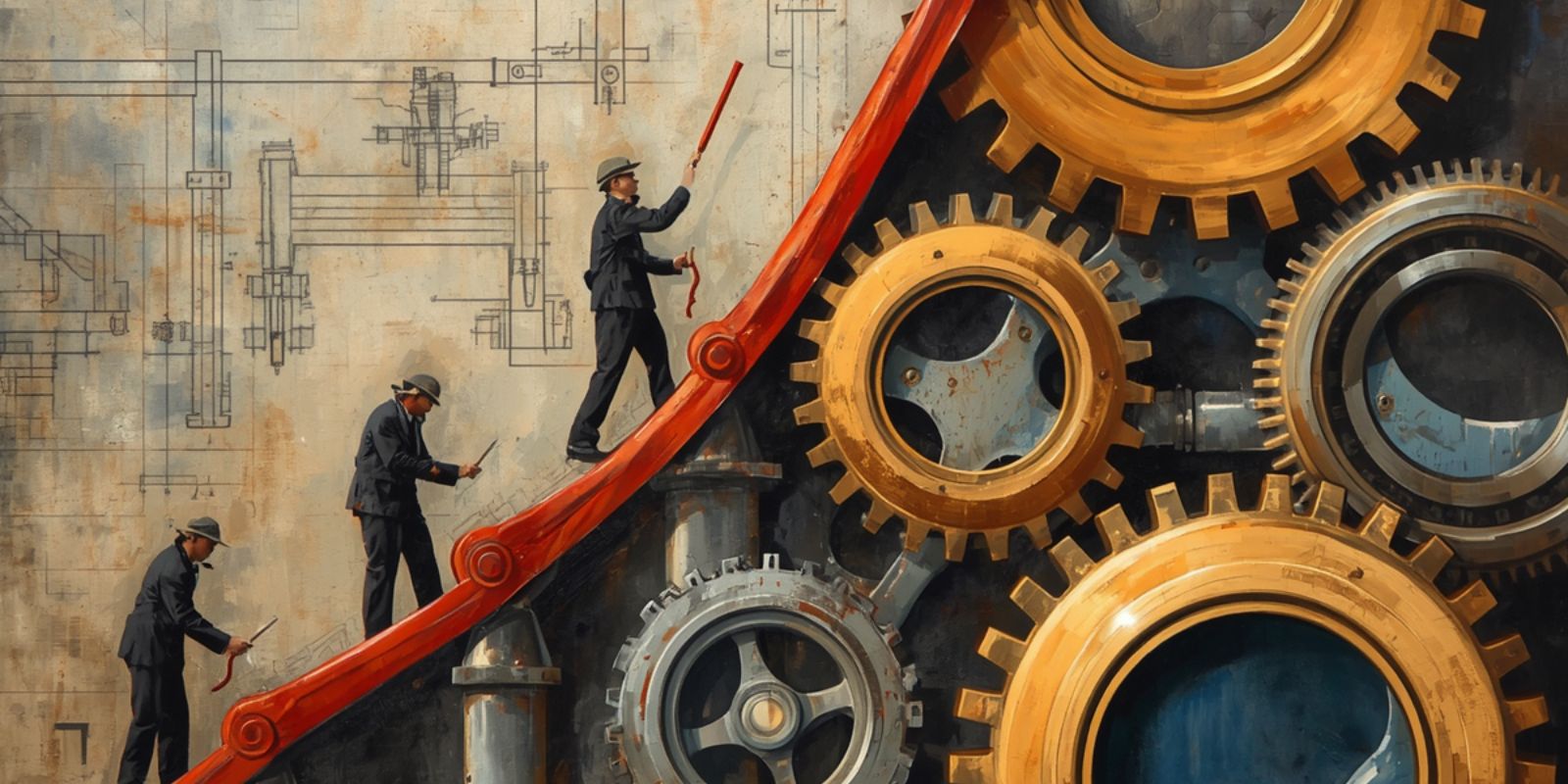
In today’s fast-moving business environment, workforce decisions can no longer rely on intuition alone. Organizations are facing rapid technological changes, skill shortages, shifting employee expectations, and intense global competition. To remain resilient and competitive, businesses must move from traditional planning methods to data centric workforce planning models that use analytics, insights, and predictive intelligence to shape their workforce strategies.
Data centric workforce planning models transform people management into a measurable, strategic function. By combining real-time data, predictive analytics, and business forecasting, organizations can anticipate future talent needs, close skill gaps, and improve productivity. This approach helps leaders make smarter decisions that align workforce capabilities with long-term business goals.
What Is Data Centric Workforce Planning?
Data centric workforce planning is a strategic approach that uses workforce data, business metrics, and advanced analytics to guide hiring, development, and deployment decisions. Instead of relying on historical trends alone, these models analyze current and future business demands, employee performance, skills data, and market trends to build an adaptable workforce strategy.
This model integrates HR data with business data such as revenue growth, customer demand, production cycles, and digital transformation goals. The result is a dynamic planning framework that continuously evolves with organizational needs.
Why Traditional Workforce Planning Falls Short
Traditional workforce planning methods often depend on static headcount plans, manual spreadsheets, and limited forecasting. These approaches are slow, reactive, and unable to keep up with today’s complex labor markets.
Some common challenges of traditional planning include:
- Lack of real-time insights
- Limited visibility into skills and performance
- Inability to predict future workforce needs
- Poor alignment with business strategy
- High risk of talent shortages or overstaffing
Data centric models address these challenges by using accurate, continuously updated information to guide workforce decisions.
Core Elements of Data Centric Workforce Planning Models
Successful data centric workforce planning models rely on several key components:
1. Workforce Data Integration
These models combine HR data (headcount, skills, performance, turnover) with business data (revenue, demand, productivity) into a single system for holistic analysis.
2. Predictive Analytics
Advanced analytics tools forecast future talent needs, identify potential risks, and simulate different workforce scenarios.
3. Skills Intelligence
Instead of focusing only on job titles, data centric models analyze employee skills, certifications, and learning progress to match future business requirements.
4. Scenario Planning
Organizations can model multiple business situations—growth, recession, automation—to understand how workforce demand will change.
5. Continuous Optimization
These models update in real time, allowing HR and leadership teams to adjust hiring and reskilling strategies quickly.
Types of Data Centric Workforce Planning Models
1. Demand Forecasting Model
This model predicts future workforce needs based on business growth, market trends, and operational data.
2. Supply Analysis Model
It evaluates current workforce capacity, skills availability, and internal mobility potential.
3. Gap Analysis Model
This model compares future demand with current supply to identify skills gaps and workforce shortages.
4. Predictive Attrition Model
Using historical patterns, this model predicts employee turnover and helps plan proactive retention strategies.
5. Skills-Based Planning Model
Instead of focusing on roles, this model maps required skills and matches them to current employee capabilities.
Benefits of Data Centric Workforce Planning Models
Implementing data centric workforce planning models delivers measurable advantages:
- Improved hiring accuracy
- Reduced labor costs
- Higher productivity
- Better workforce agility
- Stronger alignment between business and HR
- Faster decision-making
- Lower employee turnover
By using data, organizations gain clarity on where to invest, which roles to prioritize, and how to prepare for future challenges.
Role of AI and Automation
Artificial intelligence plays a vital role in modern workforce planning. AI-driven tools analyze large datasets, detect patterns, and generate predictions that humans cannot easily identify. Automation also reduces manual work, allowing HR teams to focus on strategic initiatives.
Machine learning models can continuously refine workforce forecasts based on new data, improving accuracy over time.
How to Implement a Data Centric Workforce Planning Model
- Audit Your Current Data
Review available HR, performance, and business data. - Define Business Goals
Align workforce planning with growth, innovation, and digital transformation strategies. - Choose the Right Technology
Use HR analytics platforms and workforce planning software. - Build Predictive Models
Use historical and real-time data to forecast workforce needs. - Monitor and Adjust
Continuously track results and refine strategies.
Future of Workforce Planning
The future of workforce planning is intelligent, agile, and deeply data-driven. Organizations that adopt data centric workforce planning models will gain a competitive advantage by anticipating change, responding faster, and building a future-ready workforce.
As technology evolves, these models will become even more accurate and personalized, enabling businesses to optimize talent strategies and drive sustainable growth.
Conclusion
Data centric workforce planning models are no longer optional—they are essential. By leveraging analytics, predictive insights, and real-time data, organizations can move from reactive hiring to strategic talent management. The result is a resilient workforce aligned with business goals and prepared for the future.