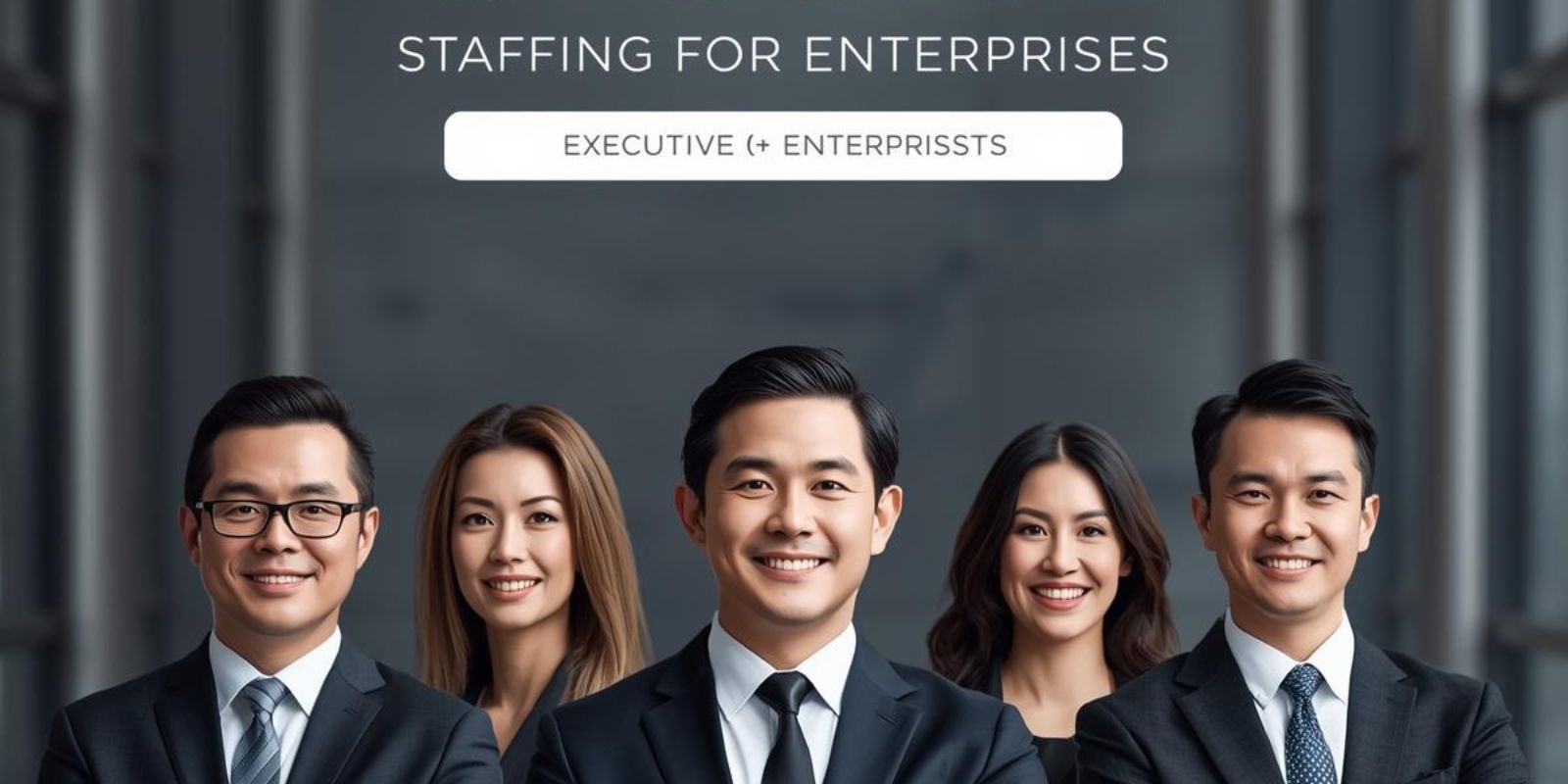
In today’s highly competitive and rapidly evolving business environment, enterprises cannot afford to make mistakes when it comes to leadership hiring. The success or failure of an organization often depends on the strength, vision, and adaptability of its executive team. This is where C-suite staffing plays a crucial role. From CEOs and CFOs to CTOs and CHROs, hiring the right executives ensures that businesses remain resilient, innovative, and future-ready.
C-suite staffing for enterprises is not just about filling top-level positions—it is a strategic process that aligns leadership capabilities with long-term organizational goals. Companies must identify leaders who not only possess technical expertise but also demonstrate emotional intelligence, strategic thinking, and the ability to inspire teams across all levels.
Understanding C-Suite Staffing
C-suite staffing refers to the recruitment and placement of top executives responsible for making high-level decisions within an organization. These roles typically include Chief Executive Officer (CEO), Chief Financial Officer (CFO), Chief Operating Officer (COO), Chief Technology Officer (CTO), and other senior leadership positions.
Unlike mid-level hiring, C-suite recruitment involves a deeper level of evaluation. Enterprises must assess candidates based on leadership style, cultural fit, industry experience, and the ability to handle complex challenges. This makes the process more intricate and time-intensive.
Importance of C-Suite Staffing for Enterprises
The impact of strong leadership cannot be overstated. Effective C-suite executives influence organizational performance, employee engagement, and market positioning. Here are some key reasons why C-suite staffing is vital:
1. Strategic Direction and Vision
Top executives define the company’s vision and long-term strategy. A capable leadership team ensures clarity in goals and drives the organization toward sustainable growth.
2. Organizational Stability
Strong leadership provides stability during uncertain times. Whether it’s economic downturns or industry disruptions, experienced executives can navigate challenges effectively.
3. Innovation and Growth
C-suite leaders are responsible for fostering innovation. They encourage new ideas, adopt emerging technologies, and create an environment that supports continuous improvement.
4. Talent Development
Great leaders build great teams. By mentoring and guiding employees, C-suite executives play a key role in developing future leaders within the organization.
Challenges in C-Suite Staffing
Hiring top executives comes with its own set of challenges. Enterprises often face difficulties such as:
Limited Talent Pool
The number of qualified candidates for executive roles is relatively small. Finding individuals with the right combination of skills, experience, and leadership qualities can be challenging.
High Stakes Decisions
A wrong hiring decision at the executive level can have significant financial and operational consequences. This makes the selection process critical.
Cultural Fit
Even highly skilled executives may fail if they do not align with the company’s culture and values. Ensuring a strong cultural fit is essential.
Confidentiality Concerns
Executive hiring often requires a high level of confidentiality, especially when replacing existing leadership.
Key Strategies for Effective C-Suite Staffing
To overcome these challenges, enterprises must adopt a strategic approach to executive hiring. Below are some proven strategies:
1. Define Clear Role Requirements
Before starting the recruitment process, organizations should clearly outline the responsibilities, expectations, and success metrics for the role. This helps in identifying the right candidates.
2. Partner with Executive Search Firms
Specialized executive search firms have access to a vast network of senior professionals. They can help identify and attract top talent efficiently.
3. Focus on Leadership Competencies
Beyond technical skills, enterprises should evaluate candidates based on leadership qualities such as decision-making, communication, adaptability, and emotional intelligence.
4. Use Data-Driven Hiring
Leveraging analytics and assessment tools can improve the accuracy of hiring decisions. Psychometric tests and leadership assessments provide valuable insights into a candidate’s potential.
5. Conduct Comprehensive Interviews
A multi-stage interview process involving key stakeholders ensures a thorough evaluation of candidates.
6. Prioritize Diversity and Inclusion
Diverse leadership teams bring different perspectives, leading to better decision-making and innovation. Enterprises should actively promote diversity in C-suite hiring.
Role of Technology in C-Suite Staffing
Technology has transformed the way organizations approach executive hiring. From AI-powered recruitment tools to advanced data analytics, enterprises now have access to powerful resources that streamline the hiring process.
AI can help identify suitable candidates by analyzing vast amounts of data, while digital platforms enable seamless communication and collaboration during the recruitment process. Additionally, virtual interviews and remote assessments have made it easier to connect with global talent.
Building a Strong Employer Brand
A strong employer brand is essential for attracting top executives. Senior professionals are more likely to join organizations with a positive reputation, clear vision, and strong values.
Enterprises should focus on showcasing their achievements, culture, and growth opportunities. Transparent communication and a compelling value proposition can significantly enhance the organization’s appeal to potential candidates.
Onboarding and Retention of C-Suite Executives
Hiring the right executive is only the first step. Ensuring their success within the organization requires a structured onboarding and retention strategy.
Effective Onboarding
A well-planned onboarding process helps new executives understand the company’s culture, operations, and strategic priorities. This enables them to make meaningful contributions from the start.
Continuous Support
Providing ongoing support, including mentorship and leadership development programs, ensures that executives remain engaged and effective.
Performance Evaluation
Regular performance reviews help align executive goals with organizational objectives. Constructive feedback and clear expectations are key to success.
Competitive Compensation
Offering attractive compensation packages, including bonuses and long-term incentives, helps retain top talent.
Future Trends in C-Suite Staffing
As the business landscape continues to evolve, C-suite staffing is also undergoing significant changes. Some emerging trends include:
Increased Demand for Digital Leaders
With digital transformation becoming a priority, there is a growing demand for executives with expertise in technology and innovation.
Focus on Agility and Adaptability
Enterprises are looking for leaders who can quickly adapt to changing market conditions and drive organizational agility.
Remote Leadership
The rise of remote work has expanded the talent pool, allowing organizations to hire executives from different geographical locations.
Emphasis on Sustainability and Ethics
Modern enterprises are prioritizing sustainability and ethical practices. Leaders who align with these values are in high demand.
Conclusion
C-suite staffing for enterprises is a critical component of organizational success. By hiring the right leaders, companies can drive growth, foster innovation, and navigate challenges effectively. However, achieving this requires a strategic and well-structured approach that goes beyond traditional recruitment methods.
Enterprises must focus on identifying leaders who align with their vision, values, and long-term goals. By leveraging technology, partnering with experts, and prioritizing diversity, organizations can build a strong leadership team that ensures sustained success in an ever-changing business environment.