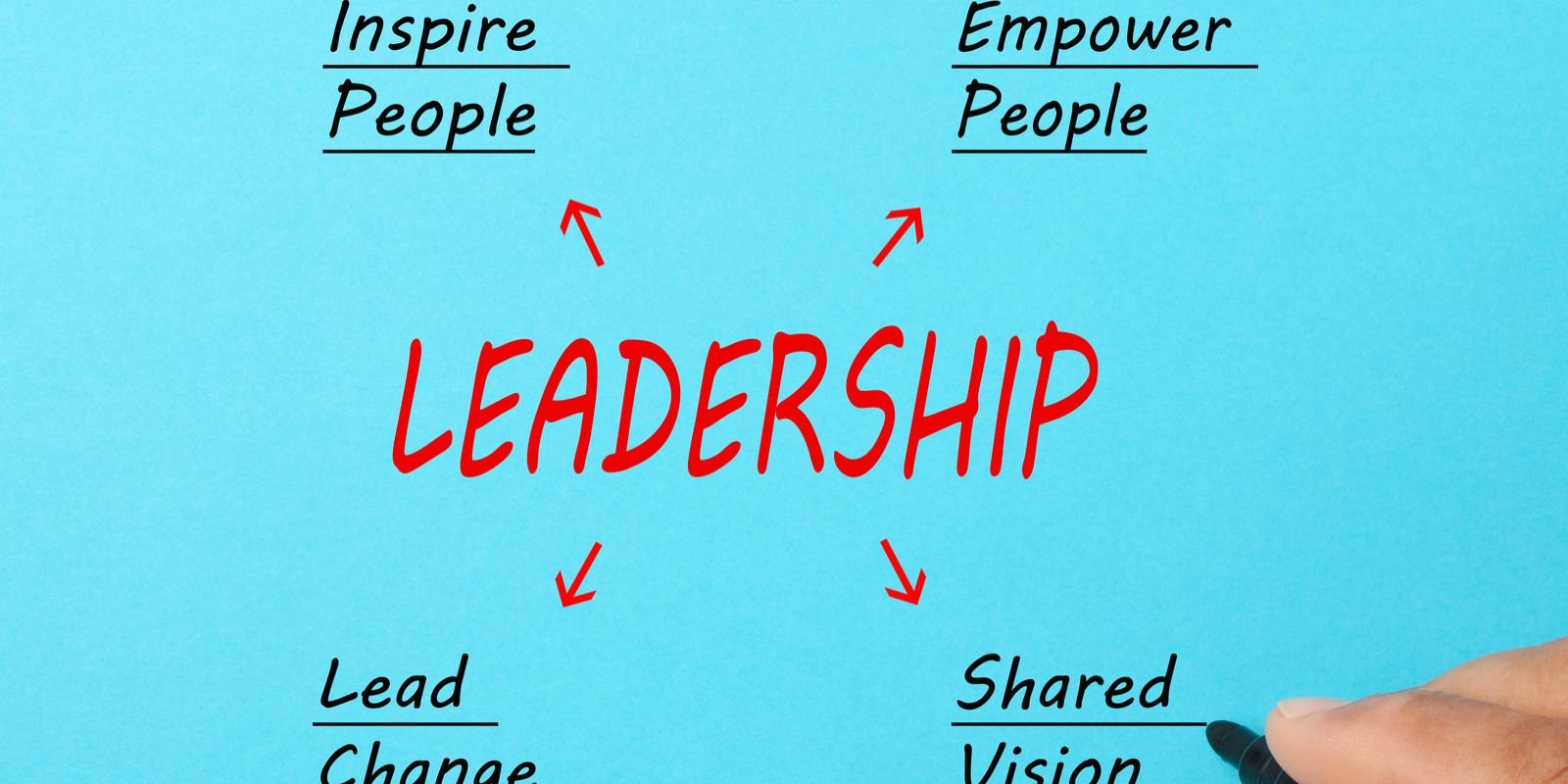
Strong leadership is one of the most important factors behind a successful organization. Businesses may have advanced technology, financial resources, and talented employees, but without effective leadership, it can be difficult to turn these resources into sustainable results. Good leaders provide direction, build trust, motivate employees, and create an environment where people can perform at their best.
In today’s competitive business environment, leadership is no longer limited to giving instructions or managing daily operations. Modern leaders are expected to communicate clearly, support their teams, solve problems, encourage innovation, and help employees develop professionally. When employees feel valued and understand how their work contributes to organizational goals, they are more likely to remain engaged and productive.
What Makes Leadership Strong?
Strong leadership is built on several important qualities. A good leader understands that performance is not achieved through pressure alone. It comes from creating clarity, accountability, collaboration, and motivation.
Some important qualities of effective leadership include:
- Clear communication
- Strong decision-making
- Emotional intelligence
- Accountability
- Adaptability
- Employee development
- Strategic thinking
- Recognition and appreciation
- Problem-solving
- Team collaboration
Leaders who demonstrate these qualities can create a workplace where employees understand expectations and feel confident about contributing their skills.
Leadership Creates Clear Direction
Employees need to understand where an organization is going and what role they play in achieving its objectives. Strong leaders communicate organizational goals clearly and connect individual responsibilities with broader business priorities.
For example, instead of simply telling a sales team to increase revenue, an effective leader can explain the target, identify key customer segments, establish measurable objectives, and provide the resources required to achieve them.
Clear direction reduces confusion and helps employees prioritize their work. When everyone understands the organization’s objectives, teams can work together more efficiently.
Communication Builds Better Performance
Communication is at the heart of effective leadership. Leaders must communicate expectations, provide feedback, listen to employees, and share important information at the right time.
Poor communication can create misunderstandings, delays, workplace conflicts, and unnecessary stress. On the other hand, transparent communication helps employees understand what is expected from them.
Effective leaders communicate through:
- Regular team meetings
- One-to-one discussions
- Performance reviews
- Constructive feedback
- Goal-setting conversations
- Open-door communication
- Digital collaboration platforms
Communication should also be two-way. Leaders should not only speak; they should listen. Employees often have valuable insights into customers, processes, operational challenges, and workplace improvements.
Strong Leaders Build Employee Confidence
Confidence plays an important role in workplace performance. Employees who believe in their abilities are more willing to take responsibility, solve problems, and contribute ideas.
Strong leaders build confidence by giving employees opportunities to take ownership. Instead of controlling every task, they provide guidance while allowing employees to make appropriate decisions.
Delegating responsibility can help employees develop:
- Decision-making skills
- Leadership abilities
- Problem-solving capabilities
- Professional confidence
- Accountability
When employees are trusted with meaningful responsibilities, they can become more capable contributors to the organization.
Recognition Can Improve Motivation
Employees want to know that their contributions matter. Recognition does not always have to involve financial rewards. A simple appreciation message, public acknowledgment, or constructive feedback can make employees feel valued.
Leaders can recognize employees for:
- Achieving targets
- Improving processes
- Helping colleagues
- Solving customer problems
- Demonstrating initiative
- Learning new skills
- Taking ownership of difficult tasks
Consistent recognition can contribute to a positive workplace culture. It also reinforces behaviors that support organizational goals.
Leadership and Employee Development
Strong leaders understand that employee development is an investment in the future of the organization.
Employees may need training in technical skills, communication, leadership, customer service, technology, or industry-specific knowledge. Leaders can identify these needs through performance discussions and regular evaluations.
Development initiatives may include:
- Training programs
- Mentoring
- Coaching
- Workshops
- Cross-functional projects
- Leadership development
- Online learning
- Career planning
When organizations provide opportunities for growth, employees can improve their capabilities while preparing for future responsibilities.
Creating a Culture of Accountability
Accountability means taking responsibility for actions and results. Strong leaders establish clear expectations and ensure that responsibilities are understood.
However, accountability should not mean creating a culture of fear. Effective accountability focuses on understanding what happened, identifying solutions, and improving future performance.
A healthy accountability culture asks:
- What was the expected result?
- What happened?
- What challenges affected the outcome?
- What can be improved?
- What support is needed?
- What should happen next?
This approach helps employees learn from mistakes instead of simply fearing them.
Leaders Influence Workplace Culture
Leadership has a significant influence on organizational culture. Employees often observe how leaders behave and communicate, and these behaviors can shape workplace norms.
If leaders demonstrate respect, professionalism, transparency, and collaboration, these qualities can become part of the broader workplace culture.
Similarly, leaders who encourage continuous improvement can create an environment where employees feel comfortable suggesting new ideas.
A strong workplace culture can support:
- Better teamwork
- Employee engagement
- Innovation
- Communication
- Productivity
- Retention
- Customer service
Leadership During Organizational Change
Change is a regular part of modern business. Organizations may introduce new technology, restructure teams, enter new markets, change processes, or respond to economic conditions.
Employees can feel uncertain during these transitions. Strong leadership can help reduce confusion by explaining why change is happening, what employees can expect, and how the organization will support them.
Effective change leadership involves:
- Explaining the reason for change.
- Communicating expected outcomes.
- Listening to employee concerns.
- Providing appropriate training.
- Setting realistic timelines.
- Monitoring progress.
- Recognizing adaptation and improvement.
Leaders who communicate consistently can help teams navigate change more effectively.
The Role of Emotional Intelligence
Leadership is not only about business knowledge. Emotional intelligence is also important.
Emotionally intelligent leaders understand their own emotions and recognize how workplace situations can affect employees. They can respond to difficult situations with professionalism and empathy.
Important elements include:
- Self-awareness
- Self-management
- Empathy
- Active listening
- Relationship management
For example, when an employee’s performance declines, a strong leader may first try to understand the underlying challenge before deciding on corrective action. This does not remove accountability; instead, it creates an opportunity to address the issue constructively.
Leadership Drives Team Collaboration
Organizations often depend on employees from different departments working together. Sales, HR, finance, operations, technology, logistics, and customer service may all need to coordinate their activities.
Strong leaders encourage collaboration by establishing common goals and reducing unnecessary departmental barriers.
Collaboration improves when leaders:
- Define shared objectives
- Clarify responsibilities
- Encourage information sharing
- Resolve conflicts quickly
- Recognize team contributions
- Promote mutual respect
When teams work toward common objectives, organizations can respond to challenges more efficiently.
Strong Leadership Supports Business Performance
Leadership can influence several areas of organizational performance. Effective leadership helps connect people, processes, and business objectives.
Strong leadership can contribute to:
Higher Employee Engagement
Employees who understand their purpose and feel supported may be more engaged with their work.
Better Productivity
Clear goals, efficient communication, and effective delegation can help employees focus on priorities.
Improved Decision-Making
Leaders who encourage data, collaboration, and accountability can improve the quality of business decisions.
Better Talent Retention
A supportive leadership environment can contribute to employee satisfaction and professional growth.
Stronger Customer Experience
Engaged and well-supported employees can contribute to more consistent customer service.
Leadership Is About People and Performance
Great performance does not happen through targets alone. Organizations need people who understand their responsibilities, have the necessary skills, receive appropriate support, and feel connected to business objectives.
Strong leaders balance performance expectations with employee development. They understand that achieving today’s targets should not come at the expense of building tomorrow’s capabilities.
The most effective leadership approach combines clarity with empathy, accountability with support, and ambition with practical execution.
Best Practices for Building Strong Leadership
Organizations can strengthen leadership by focusing on practical actions:
- Set clear organizational and team goals.
- Communicate expectations regularly.
- Provide constructive feedback.
- Encourage employee participation.
- Develop future leaders.
- Recognize meaningful contributions.
- Promote continuous learning.
- Use performance data responsibly.
- Encourage collaboration across teams.
- Create a culture of accountability.
- Support employees during organizational change.
- Lead by example.
Leadership development should not be limited to senior executives. Team leaders, supervisors, managers, and emerging leaders can all benefit from structured leadership development.
Conclusion
Strong leadership creates the foundation for great performance. Leaders influence how employees understand goals, respond to challenges, collaborate with colleagues, and develop their capabilities.
Organizations that invest in effective leadership can create workplaces where employees have clear direction, meaningful responsibilities, opportunities to grow, and the support required to perform effectively.
Ultimately, leadership is not simply about managing people. It is about creating the conditions in which people can contribute their best work. When leaders communicate clearly, build trust, recognize contributions, encourage development, and maintain accountability, they can help teams move toward shared organizational goals.
Great performance begins with capable people—but strong leadership helps those people perform together with purpose, clarity, and confidence.