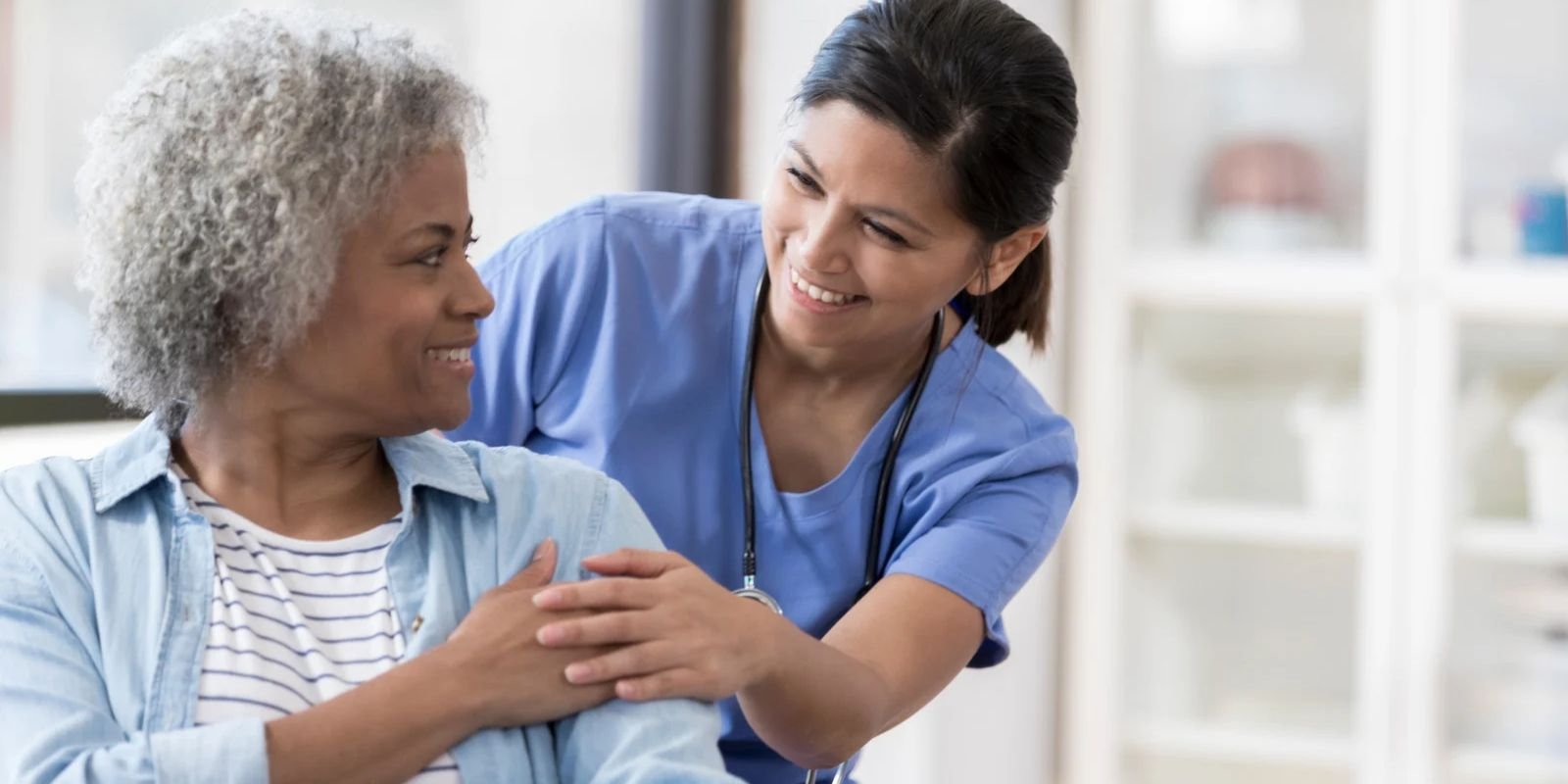
Nurses are at the heart of modern healthcare. They provide continuous patient care, monitor health conditions, support physicians, educate patients and families, and help coordinate treatment across different stages of the healthcare journey. Their role is essential in hospitals, clinics, long-term care facilities, rehabilitation centers, and other healthcare environments.
Skilled nurses improve patient outcomes by combining clinical knowledge, practical experience, communication, critical thinking, and compassionate care. Their ability to recognize changes in a patient’s condition, follow treatment plans accurately, and communicate important information can make a meaningful difference in the overall quality of care.
As healthcare organizations face increasing patient demands and workforce challenges, having qualified and capable nurses is more important than ever.
The Essential Role of Skilled Nurses
Nursing involves much more than completing routine clinical tasks. Nurses are often the healthcare professionals who spend the most time directly interacting with patients.
They monitor patients, administer medications, assist with procedures, document clinical information, provide education, and communicate with other healthcare professionals. They also support patients emotionally during stressful or uncertain situations.
Because nurses are continuously involved in patient care, they can observe changes that may otherwise go unnoticed.
For example, a nurse may identify a change in vital signs, behavior, pain levels, or overall condition and communicate these observations to the appropriate medical team. Early recognition and communication can support timely clinical evaluation and intervention.
Clinical Skills Support Better Care
Skilled nurses bring strong clinical knowledge and practical experience to patient care.
Their responsibilities may include:
- Monitoring vital signs
- Administering medications safely
- Assisting with medical procedures
- Managing wounds
- Supporting post-operative recovery
- Monitoring patient progress
- Educating patients about care plans
- Maintaining accurate clinical documentation
- Communicating with physicians and specialists
- Supporting discharge and follow-up planning
Each responsibility contributes to the patient’s overall healthcare experience.
Properly trained nurses understand clinical protocols and can apply their knowledge in real-world situations. Their skills help healthcare teams maintain consistent and organized patient care.
Early Recognition of Patient Changes
One of the most important contributions nurses make is continuous patient observation.
A patient’s condition can change quickly. Nurses are often in a position to notice subtle differences because of their regular interaction with patients.
Changes in breathing, consciousness, pain, blood pressure, temperature, mobility, or behavior may require further assessment.
Skilled nurses understand the importance of recognizing these changes and communicating relevant information to the medical team.
This ongoing observation supports proactive healthcare and can help teams respond appropriately when patient needs change.
Medication Safety
Medication management is another important part of nursing care.
Patients may receive multiple medications during hospitalization or treatment. Nurses need to understand medication instructions, timing, dosage, administration methods, and potential concerns.
Following established medication safety procedures helps reduce the risk of errors.
Nurses also educate patients about medications when appropriate. They may explain how and when medications should be taken, what instructions need to be followed, and when patients should communicate concerns to their healthcare provider.
This education can also support continuity of care after discharge.
Patient Education Improves Engagement
Patients who understand their treatment are often better prepared to participate in their healthcare journey.
Nurses frequently explain medical instructions in simple, understandable language. They may teach patients about medications, wound care, nutrition, mobility, recovery, or follow-up appointments.
Patient education is especially important when patients need to continue care at home.
A nurse can help patients and families understand what they should do after discharge and when they should seek additional medical attention.
Clear education can improve confidence and support adherence to care plans.
Communication Strengthens Healthcare Teams
Healthcare delivery requires collaboration between many professionals.
Doctors, nurses, pharmacists, therapists, laboratory professionals, technicians, and administrative teams may all be involved in a patient’s care.
Nurses often serve as an important communication link within this multidisciplinary team.
They share patient observations, communicate care updates, document relevant information, and coordinate with other professionals.
Effective communication helps ensure that everyone involved in a patient’s care has access to important information.
When communication is clear and timely, healthcare teams can work together more effectively.
Compassion Is Part of Quality Care
Healthcare is not only about clinical treatment. Patients also need emotional support.
Hospitalization, illness, surgery, and medical procedures can create anxiety and uncertainty. Nurses frequently provide reassurance and emotional support during these experiences.
Simple actions—listening to concerns, explaining what is happening, responding respectfully, and treating patients with dignity—can significantly influence the patient experience.
Compassionate care can help patients feel more comfortable and supported throughout treatment.
Skilled Nurses Support Patient-Centered Care
Patient-centered care focuses on the individual rather than treating the medical condition alone.
Every patient has different needs, concerns, preferences, and circumstances. Skilled nurses recognize these differences and communicate appropriately with patients and families.
They can help patients understand their care while encouraging them to ask questions and participate in appropriate decisions.
This approach creates a stronger relationship between healthcare professionals and patients.
When patients feel heard and respected, they may become more engaged in their treatment journey.
Nursing Staffing and Patient Care
Adequate nursing staffing is important for maintaining quality patient care.
When healthcare organizations have sufficient qualified nurses, teams can manage patient responsibilities more effectively. Appropriate staffing can support timely monitoring, communication, documentation, and patient assistance.
Staffing shortages, on the other hand, can place additional pressure on healthcare teams.
Hospitals and healthcare organizations therefore need effective workforce planning strategies to ensure they have access to qualified nursing professionals.
Healthcare staffing solutions can help organizations address temporary workforce gaps, specialized requirements, increased patient volumes, and other staffing challenges.
The Importance of Nurse Experience
Education provides the foundation for nursing practice, but experience can further strengthen professional judgment.
Experienced nurses have encountered a wide range of clinical situations. This exposure can help them recognize patterns, prioritize tasks, communicate effectively, and respond calmly in challenging circumstances.
However, experience should be combined with continuous learning.
Healthcare practices continue to evolve, and nurses need opportunities to update their knowledge and skills.
Professional development programs, continuing education, clinical training, and workplace learning can help nurses remain prepared for changing healthcare requirements.
Technology and Modern Nursing
Technology is becoming increasingly important in healthcare.
Electronic health records, digital monitoring systems, automated medication systems, telehealth platforms, and other technologies can support nursing practice.
However, technology does not replace the importance of skilled nurses.
Nurses must understand how to use digital tools effectively while maintaining focus on the patient.
Technology can provide information, but nurses apply clinical judgment and human understanding to interpret patient needs and provide appropriate care.
The combination of skilled professionals and effective technology can create stronger healthcare delivery systems.
Nurses Help Reduce Care Gaps
Patients often move through several stages of healthcare, from admission and diagnosis to treatment, recovery, and discharge.
During these transitions, communication and coordination are essential.
Nurses can help bridge gaps between different stages of care by documenting information, communicating with healthcare teams, educating patients, and supporting discharge planning.
This continuity is particularly valuable for patients with complex healthcare needs.
Well-coordinated nursing care can help patients and families better understand what happens next in their healthcare journey.
Supporting Nurses Strengthens Healthcare Organizations
If hospitals want nurses to provide their best work, they must also support their nursing workforce.
Healthcare organizations can strengthen nursing teams through:
- Competitive workforce strategies
- Appropriate staffing levels
- Professional development
- Supportive leadership
- Recognition and appreciation
- Clear communication
- Safe working environments
- Career development opportunities
- Effective scheduling
- Access to appropriate resources
Supporting nurses benefits both employees and patients.
A healthcare organization that values its nursing professionals can build a more engaged and resilient workforce.
The Future of Nursing
Healthcare needs are changing rapidly. Aging populations, chronic conditions, technological advances, specialized treatments, and increasing patient expectations are creating new demands on healthcare systems.
Skilled nurses will remain essential in meeting these needs.
Future nurses will need a combination of clinical expertise, digital skills, communication abilities, critical thinking, adaptability, and empathy.
Healthcare organizations that invest in nursing education and workforce development can build stronger teams capable of responding to these changes.
Conclusion
Skilled nurses improve patient outcomes by providing knowledgeable, consistent, compassionate, and patient-centered care.
Their role extends from monitoring patients and administering treatments to educating families, coordinating care, communicating with medical teams, and supporting patients emotionally.
Strong nursing teams are essential for hospitals and healthcare organizations that want to provide high-quality care.
Investing in skilled nurses means investing in patient care. Through effective recruitment, professional development, workforce planning, and supportive workplace environments, healthcare organizations can empower nurses to perform at their best.
Ultimately, every successful healthcare system depends on professionals who combine knowledge with compassion.