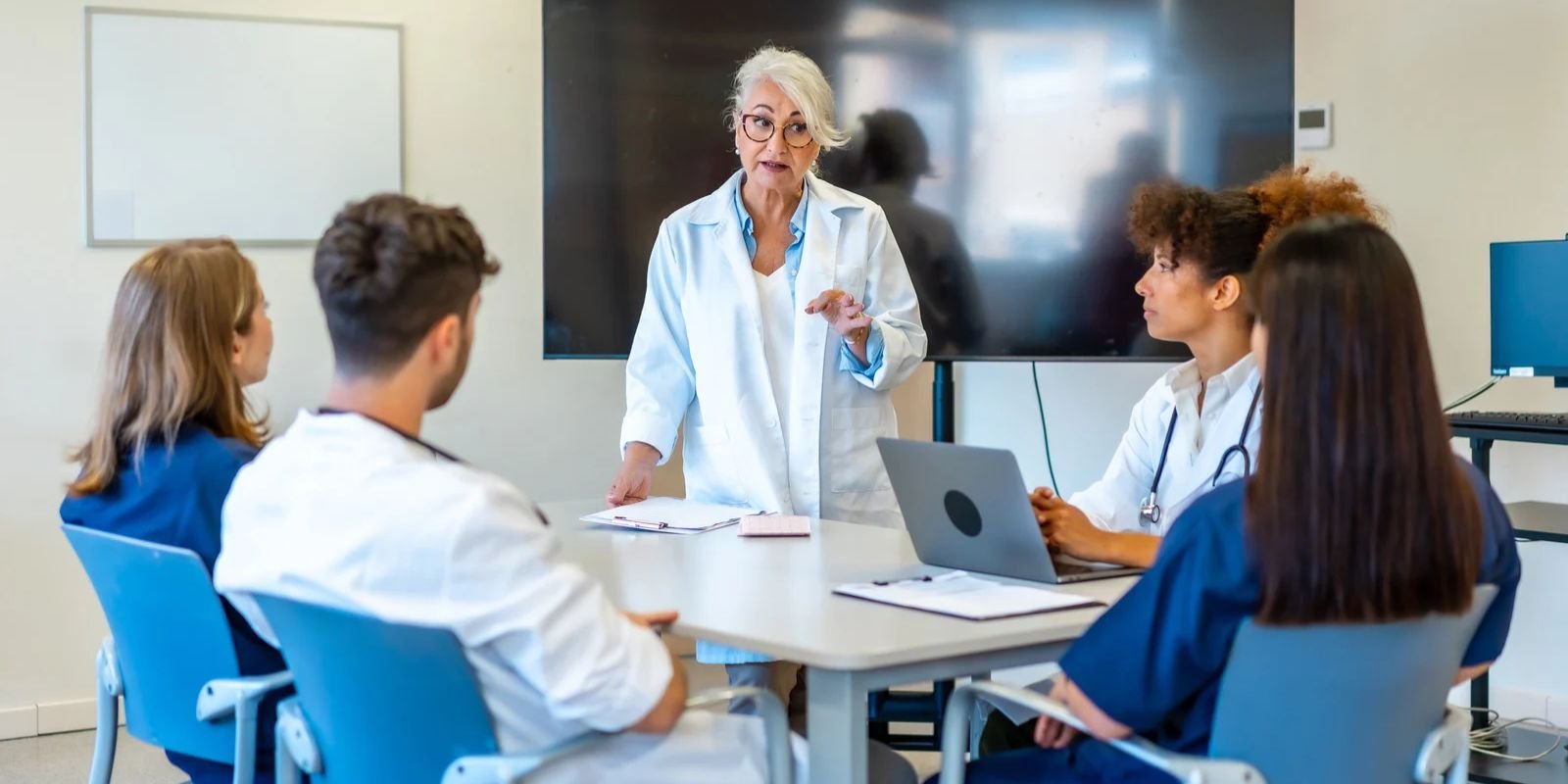
Healthcare is one of the most important sectors in society. Every day, hospitals, clinics, diagnostic centers, nursing homes, pharmacies, and healthcare organizations depend on skilled professionals to provide safe, efficient, and compassionate care. From doctors and nurses to technicians, pharmacists, caregivers, administrative teams, and support staff, every professional contributes to the overall quality of healthcare delivery.
The statement “Quality Healthcare Needs Skilled Professionals” highlights a simple but powerful reality: modern healthcare cannot function effectively without trained, capable, and responsible people. Advanced technology, modern infrastructure, and medical equipment are valuable, but skilled professionals are needed to use these resources correctly and ensure that patients receive the right care at the right time.
The Importance of Skilled Healthcare Professionals
Healthcare involves much more than diagnosing diseases and providing treatment. Professionals must communicate with patients, understand their needs, maintain accurate records, follow safety procedures, operate medical equipment, and work effectively with other members of the healthcare team.
Skilled healthcare professionals bring knowledge, experience, discipline, and empathy to their work. Their decisions can directly influence patient safety, recovery, and overall experience.
A well-trained professional is better prepared to handle routine responsibilities as well as unexpected situations. Whether it is responding to an emergency, assisting a patient, managing medical records, or operating specialized equipment, professional skills help create a reliable healthcare environment.
Skilled Professionals Improve Patient Care
Patient care is at the heart of every healthcare organization. Patients expect not only effective treatment but also respect, clear communication, timely assistance, and a safe environment.
Skilled professionals understand how to interact with patients professionally and compassionately. They can explain procedures clearly, listen to concerns, and help patients feel comfortable during difficult situations.
Nurses, for example, play an important role in monitoring patients, administering medicines, supporting doctors, and communicating changes in a patient’s condition. Technicians help ensure that diagnostic tests are performed accurately. Pharmacists help patients understand medicines and their proper use. Administrative professionals ensure that appointments, records, billing, and coordination are handled efficiently.
When each professional performs their role effectively, the patient receives a smoother and more coordinated healthcare experience.
Training Builds Confidence and Competence
Proper training is one of the foundations of quality healthcare. Medical knowledge and healthcare practices continue to evolve, making continuous learning essential.
Healthcare professionals need training that combines technical knowledge with practical skills. Depending on their role, training may include patient handling, medical equipment operation, workplace safety, infection prevention, communication, documentation, emergency response, and professional ethics.
Training also improves confidence. Professionals who understand their responsibilities and have practical experience are more prepared to make informed decisions and handle workplace challenges.
For healthcare organizations, investing in employee development can create a more capable and dependable workforce.
Technology Needs Skilled People
Healthcare technology has changed rapidly. Digital patient records, diagnostic equipment, telemedicine, artificial intelligence, automated systems, and advanced monitoring devices are becoming increasingly important.
However, technology alone cannot guarantee quality healthcare.
Professionals need the skills to operate equipment, interpret information appropriately, protect patient data, and integrate technology into everyday workflows. A technologically advanced hospital still depends on people who understand how to use its systems effectively.
This is why healthcare organizations must combine technological investment with workforce development. The strongest results come when skilled professionals and modern technology work together.
The Role of Healthcare Staffing
Having the right number of qualified professionals is equally important. Healthcare facilities can face serious challenges when they experience staff shortages, high workloads, or difficulty finding qualified candidates.
Effective healthcare staffing helps organizations place suitable professionals in appropriate roles. It can support hospitals and healthcare providers in managing changing workforce requirements while maintaining service quality.
Healthcare staffing is not simply about filling vacancies. It is about identifying professionals with the right qualifications, experience, attitude, and skills for specific responsibilities.
A strong staffing strategy can help organizations improve workforce efficiency, reduce operational pressure, and maintain continuity of patient services.
Soft Skills Matter Too
Technical knowledge is essential, but healthcare professionals also need strong soft skills.
Communication, teamwork, empathy, adaptability, problem-solving, patience, and time management are particularly important in healthcare environments. Professionals frequently work with patients from different backgrounds and collaborate with doctors, nurses, technicians, administrators, and other teams.
Good communication can reduce misunderstandings and improve coordination. Teamwork can help professionals respond more effectively to patient needs. Empathy can make patients feel respected and supported.
Therefore, professional development programs should focus on both technical capabilities and interpersonal skills.
Continuous Learning Supports Better Healthcare
Healthcare is constantly changing. New treatments, technologies, regulations, procedures, and patient-care approaches continue to emerge.
Professionals who continue learning can stay updated with industry developments and improve their capabilities. Workshops, certifications, refresher training, practical demonstrations, seminars, and professional development programs can all contribute to continuous improvement.
Organizations can encourage learning by creating opportunities for employees to upgrade their knowledge and skills. This not only benefits professionals but also strengthens the organization as a whole.
A culture of learning can help healthcare teams become more adaptable and prepared for future challenges.
Skilled Support Staff Are Also Essential
Quality healthcare depends on more than clinical professionals. Support teams play a major role in keeping healthcare facilities operational.
Receptionists, medical administrators, housekeeping teams, maintenance professionals, laboratory support staff, billing teams, data-entry professionals, and other workers contribute to the patient experience.
For example, efficient administrative staff can reduce waiting times and improve appointment coordination. Well-trained housekeeping teams can support cleanliness and hygiene. Technical support teams help maintain essential equipment and systems.
Every role contributes to the larger healthcare ecosystem. Recognizing and developing these professionals is essential for maintaining high standards.
Patient Safety Requires Professional Skills
Patient safety should always be a priority. Healthcare professionals must follow established procedures, maintain accurate documentation, communicate important information, and respond appropriately to risks.
Training in safety practices can help reduce avoidable errors and improve workplace awareness. Professionals who understand safety protocols are better equipped to identify potential problems and take appropriate action.
Healthcare organizations should therefore create environments where employees are encouraged to follow best practices, report concerns responsibly, and continuously improve processes.
Building a Future-Ready Healthcare Workforce
The healthcare industry will continue to evolve. Growing patient expectations, technological advancements, changing demographics, and new healthcare delivery models will create new workforce requirements.
Organizations need professionals who can adapt to change while maintaining high standards of care.
A future-ready healthcare workforce should combine technical expertise, digital awareness, communication skills, problem-solving abilities, and a strong commitment to patient wellbeing.
Employers can support this goal through structured recruitment, effective onboarding, regular training, performance development, and opportunities for career growth.
Conclusion
Quality healthcare depends on people. Modern hospitals and healthcare organizations may have advanced equipment, sophisticated technology, and excellent infrastructure, but skilled professionals remain the foundation of effective healthcare delivery.
From direct patient care to administration and support services, every trained professional contributes to safety, efficiency, and patient satisfaction. Investing in healthcare professionals means investing in better service, stronger teams, and improved patient experiences.
As the healthcare industry continues to develop, the demand for capable and adaptable professionals will only increase. Organizations that prioritize skilled staffing, continuous learning, professional development, and workforce quality will be better positioned to deliver reliable healthcare services.
Ultimately, quality healthcare needs skilled professionals because people are at the center of every healthcare decision, every patient interaction, and every successful outcome.