Warehousing has become one of the most critical components of modern supply chain management. As businesses expand their operations and customer expectations for faster deliveries continue to grow, warehouses must operate with greater speed, accuracy, and efficiency than ever before. While advanced technologies such as Warehouse Management Systems (WMS), automation, robotics, and inventory tracking tools have transformed warehouse operations, one factor remains at the heart of success—people.
An efficient warehouse begins with the right staffing strategy. Skilled warehouse employees ensure inventory is handled accurately, orders are fulfilled on time, equipment is operated safely, and daily operations run without disruption. Without a capable workforce, even the most advanced warehouse infrastructure cannot achieve its full potential.
From manufacturing and retail to e-commerce, pharmaceuticals, FMCG, and logistics, organizations rely on experienced warehouse professionals to maintain operational excellence. This article explores why efficient warehousing starts with staffing, the importance of workforce planning, and how businesses can build high-performing warehouse teams.
The Foundation of Efficient Warehousing
Warehousing involves much more than storing products. It is a dynamic process that includes receiving goods, inventory management, order picking, packing, shipping, quality control, returns processing, and inventory replenishment. Every activity depends on skilled employees working together efficiently.
An efficient warehouse requires professionals who understand operational processes, safety protocols, inventory systems, and customer expectations. When the right people are in the right roles, warehouse operations become faster, more accurate, and more productive.
Why Staffing Matters in Warehouse Operations
Warehouse staffing directly influences every aspect of supply chain performance. The right workforce ensures goods move smoothly from receiving docks to storage locations and finally to customers.
Key reasons staffing matters include:
Faster Order Fulfillment
Experienced employees can process orders quickly while maintaining accuracy, helping businesses meet delivery deadlines.
Improved Inventory Accuracy
Well-trained warehouse staff reduce inventory discrepancies, misplaced items, and stock shortages.
Higher Productivity
Skilled workers complete warehouse tasks efficiently, increasing overall operational output.
Better Customer Satisfaction
Accurate and timely deliveries create positive customer experiences and strengthen brand loyalty.
Enhanced Workplace Safety
Properly trained employees follow safety procedures, reducing workplace accidents and equipment damage.
Reduced Operational Costs
Efficient staffing minimizes overtime, hiring costs, inventory losses, and operational delays.
Essential Warehouse Roles
Every warehouse depends on professionals with specialized responsibilities.
Warehouse Manager
Warehouse managers oversee daily operations, workforce scheduling, inventory control, and performance management.
Warehouse Supervisor
Supervisors coordinate warehouse activities, monitor productivity, and ensure compliance with safety standards.
Inventory Controller
Inventory controllers maintain accurate stock records, monitor inventory movement, and perform regular stock audits.
Picker
Pickers locate products efficiently and prepare customer orders accurately.
Packer
Packers ensure products are securely packaged and ready for shipment while maintaining quality standards.
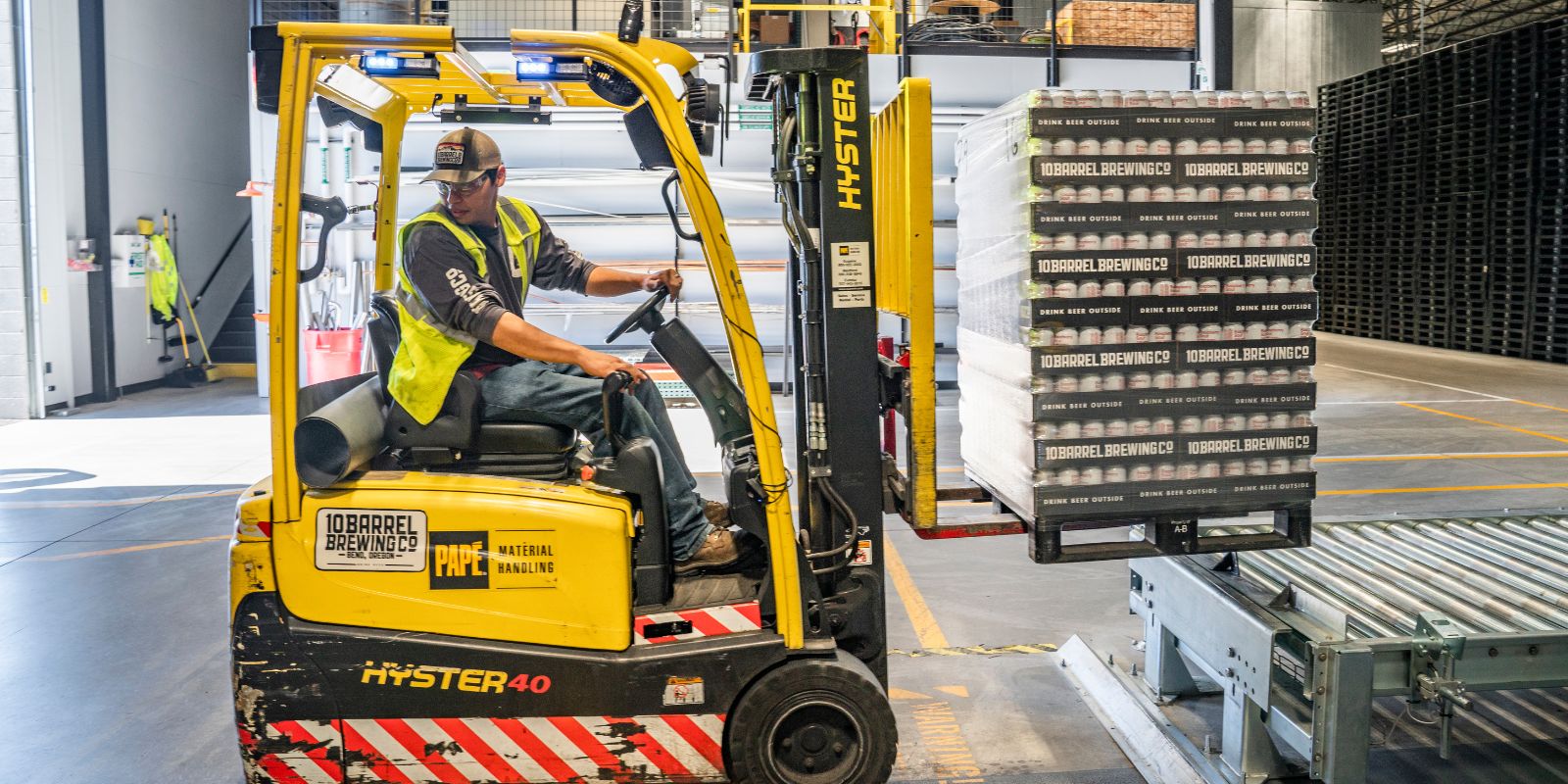
Forklift Operator
Forklift operators safely transport goods within warehouses using material handling equipment.
Receiving Associate
Receiving associates inspect incoming shipments, verify quantities, and update inventory records.
Shipping Coordinator
Shipping coordinators prepare dispatch documentation and coordinate outgoing deliveries.
Quality Control Inspector
Quality inspectors verify product quality before storage and shipment.
Each role contributes to warehouse efficiency and overall business performance.
Challenges Facing Modern Warehouses
Warehouse operations continue to evolve, creating new workforce challenges.
Labor Shortages
Many industries struggle to recruit experienced warehouse professionals, especially during peak seasons.
Seasonal Demand
Retail promotions, festive sales, and e-commerce growth create temporary spikes in workforce requirements.
High Employee Turnover
Warehouse jobs often experience high turnover, increasing recruitment and training expenses.
Increasing Customer Expectations
Customers now expect faster deliveries, accurate tracking, and error-free order fulfillment.
Technology Adoption
Modern warehouses require employees who can operate digital inventory systems, barcode scanners, RF devices, and warehouse software.
Safety Risks
Warehouses involve heavy equipment, material handling, and repetitive tasks, making safety training essential.
Characteristics of High-Performing Warehouse Teams
Successful warehouse teams share several important qualities.
Strong Communication
Clear communication improves coordination between warehouse staff, logistics teams, suppliers, and customers.
Reliability
Dependable employees consistently meet productivity and quality expectations.
Attention to Detail
Accurate inventory handling reduces costly mistakes and improves customer satisfaction.
Teamwork
Warehouse operations require close collaboration between multiple departments and shifts.
Adaptability
Employees must respond quickly to changing priorities, urgent orders, and fluctuating demand.
Accountability
High-performing teams take responsibility for maintaining operational standards and meeting performance targets.
The Role of Workforce Planning
Effective warehouse staffing begins with strategic workforce planning.
Workforce planning involves:
- Forecasting labor requirements
- Scheduling shifts efficiently
- Planning seasonal hiring
- Identifying skill gaps
- Training employees
- Monitoring workforce performance
Proper planning helps businesses maintain optimal staffing levels while controlling labor costs.
Benefits of Professional Warehouse Staffing Solutions
Many organizations partner with staffing agencies to simplify warehouse recruitment and workforce management.
Access to Skilled Talent
Staffing providers maintain databases of experienced warehouse professionals ready for deployment.
Faster Recruitment
Vacant positions can be filled quickly, minimizing operational disruptions.
Flexible Workforce
Businesses can scale staffing levels according to seasonal demand and production requirements.
Reduced Hiring Costs
Outsourcing recruitment reduces advertising expenses, screening efforts, and onboarding time.
Compliance Support
Professional staffing firms help businesses comply with labor regulations, documentation requirements, and workplace policies.
Technology and Warehouse Staffing
Technology has revolutionized warehouse operations, but skilled employees remain essential.
Modern warehouses use:
- Warehouse Management Systems (WMS)
- Barcode scanners
- RFID technology
- Automated storage systems
- Conveyor systems
- Robotics
- Mobile warehouse applications
- Inventory management software
- Artificial Intelligence
- Real-time analytics
Employees trained to use these technologies contribute significantly to operational efficiency.
Best Practices for Warehouse Staffing
Organizations can improve warehouse performance through effective staffing strategies.
Hire for Skills and Attitude
Recruit individuals who demonstrate reliability, teamwork, and a willingness to learn.
Provide Continuous Training
Regular training improves productivity, safety, equipment operation, and technology adoption.
Cross-Train Employees
Cross-training increases workforce flexibility by enabling employees to perform multiple warehouse functions.
Encourage Employee Engagement
Recognizing employee achievements improves morale, motivation, and retention.
Maintain Safe Working Conditions
Safe workplaces reduce accidents, absenteeism, and operational disruptions.
Monitor Performance Metrics
Regular performance evaluations identify improvement opportunities and training needs.
Measuring Warehouse Performance
Businesses should track key performance indicators to evaluate warehouse efficiency.
Important KPIs include:
- Order accuracy
- Inventory accuracy
- Picking productivity
- Packing efficiency
- Shipping turnaround time
- Labor productivity
- Warehouse utilization
- Employee attendance
- Safety incidents
- Customer satisfaction
Monitoring these metrics supports continuous improvement.
Industries That Depend on Efficient Warehousing
Efficient warehouse staffing benefits many industries.
These include:
- Manufacturing
- FMCG
- Retail
- E-commerce
- Pharmaceuticals
- Healthcare
- Automotive
- Consumer Electronics
- Food and Beverage
- Textile Industry
- Third-Party Logistics (3PL)
- Wholesale Distribution
Every industry depends on efficient warehouse operations to maintain smooth supply chains and customer satisfaction.
Building a High-Performance Warehouse Culture
Warehouse efficiency depends not only on processes but also on workplace culture.
Organizations should:
- Promote teamwork
- Encourage innovation
- Reward high performers
- Support employee development
- Improve communication
- Invest in leadership training
- Prioritize workplace safety
A positive work environment improves employee retention and productivity.
Future Trends in Warehouse Staffing
Warehouse operations continue to evolve with changing business demands.
Emerging trends include:
- AI-assisted workforce planning
- Robotics collaboration
- Smart warehouse automation
- Predictive inventory management
- Digital workforce scheduling
- Wearable warehouse technology
- Sustainable warehouse operations
- Data-driven productivity analysis
- Autonomous material handling
- Cloud-based warehouse management
While technology will continue transforming warehouses, skilled professionals will remain central to operational success.
Why Staffing Is a Strategic Investment
Many organizations view staffing as an operational expense, but it should be considered a strategic investment. Hiring experienced warehouse professionals improves productivity, reduces errors, strengthens customer relationships, and supports long-term business growth.
Reliable staffing partners help organizations build flexible workforces capable of adapting to changing business needs while maintaining high operational standards.
Conclusion
Efficient warehousing starts with staffing because people remain the driving force behind successful warehouse operations. Skilled warehouse professionals ensure inventory is managed accurately, orders are processed efficiently, safety standards are maintained, and customers receive their products on time. While technology continues to enhance warehouse capabilities, it cannot replace the value of a trained, motivated, and reliable workforce.
Businesses that invest in workforce planning, employee development, and professional staffing solutions create warehouses that operate with greater efficiency, productivity, and flexibility. Whether managing a manufacturing facility, retail distribution center, pharmaceutical warehouse, or e-commerce fulfillment hub, having the right people in the right roles is essential for achieving supply chain excellence. By prioritizing staffing as a strategic asset, organizations can build resilient warehouse operations that support sustainable growth and long-term competitive success.