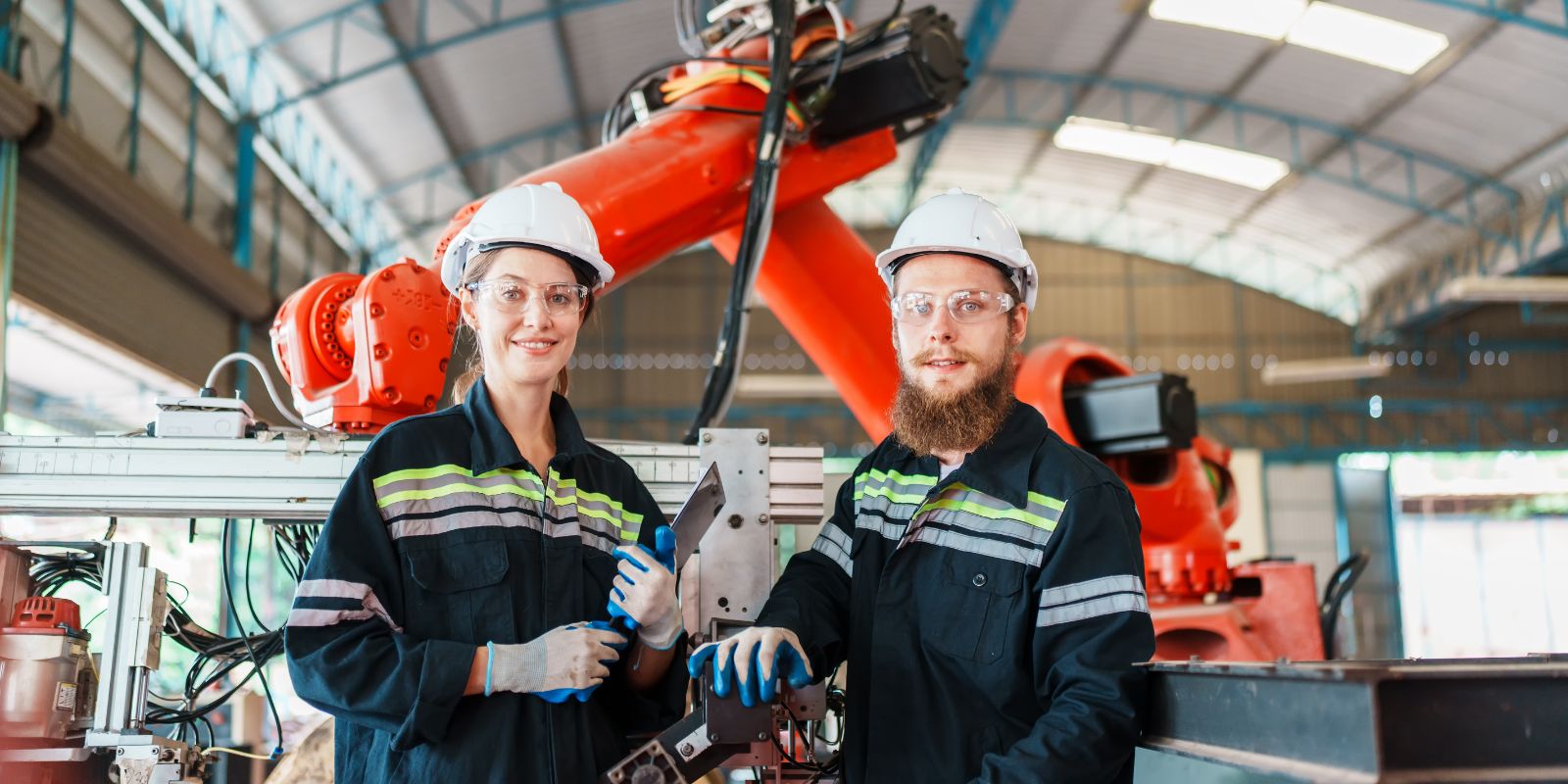
In today’s fast-paced manufacturing landscape, businesses face increasing pressure to produce high-quality products while maintaining cost efficiency, meeting customer expectations, and adapting to evolving market demands. As industries embrace automation, lean manufacturing, and digital technologies, the importance of hiring the right workforce has never been greater. A well-planned industrial recruitment strategy ensures that manufacturers have access to skilled professionals who can enhance productivity, improve quality, and support long-term business growth.
Industrial recruitment is more than simply filling vacancies. It is a strategic process of sourcing, assessing, hiring, and retaining skilled, semi-skilled, and unskilled workers for manufacturing and industrial operations. Whether a company requires machine operators, welders, quality inspectors, production supervisors, maintenance technicians, or warehouse personnel, recruiting the right talent directly impacts manufacturing output and operational efficiency.
By partnering with professional recruitment agencies or implementing effective hiring practices, manufacturers can reduce downtime, improve workforce stability, and ensure continuous production. This article explores how industrial recruitment improves manufacturing output, its benefits, best practices, key challenges, and emerging trends shaping the future of industrial hiring.
What Is Industrial Recruitment?
Industrial recruitment is the process of identifying, attracting, evaluating, and hiring employees for manufacturing, production, engineering, logistics, warehousing, and other industrial sectors. Recruitment agencies specializing in industrial hiring understand the unique skill requirements of production environments and provide businesses with qualified candidates who are ready to contribute from day one.
Typical positions filled through industrial recruitment include:
- Production Operators
- CNC Machine Operators
- Welders and Fabricators
- Electricians
- Fitters
- Maintenance Technicians
- Quality Inspectors
- Warehouse Associates
- Forklift Operators
- Packaging Staff
- Inventory Controllers
- Production Supervisors
Effective recruitment ensures the right people are placed in the right roles, minimizing production disruptions and maximizing operational efficiency.
Why Industrial Recruitment Is Important
Manufacturing organizations depend on a reliable workforce to maintain production schedules and meet customer demand. Labor shortages, high employee turnover, and skill gaps can significantly affect productivity.
Industrial recruitment helps businesses by:
- Filling vacancies quickly
- Accessing skilled professionals
- Reducing production downtime
- Improving workforce quality
- Supporting business expansion
- Enhancing operational efficiency
- Lowering recruitment costs
- Strengthening workforce stability
A strategic recruitment process enables manufacturers to remain competitive in demanding markets.
How Industrial Recruitment Improves Manufacturing Output
1. Hiring Skilled Workers Increases Productivity
Manufacturing equipment and production processes require employees with technical knowledge and practical experience.
Industrial recruitment focuses on selecting candidates with:
- Technical expertise
- Industry certifications
- Machine operation skills
- Safety awareness
- Problem-solving abilities
- Quality control knowledge
Skilled employees work more efficiently, make fewer mistakes, and contribute to higher production output.
2. Reducing Production Downtime
Vacant positions often lead to production delays and missed delivery deadlines.
Professional recruitment agencies maintain extensive candidate databases, enabling businesses to replace employees quickly.
Faster hiring helps manufacturers:
- Maintain production schedules
- Meet customer commitments
- Reduce overtime
- Improve operational continuity
Continuous workforce availability minimizes costly downtime.
3. Supporting Workforce Flexibility
Manufacturing demand fluctuates due to:
- Seasonal sales
- Large customer orders
- Export demand
- Product launches
- Plant expansions
Industrial recruitment enables businesses to scale their workforce according to production needs through temporary, contract, or permanent staffing solutions.
Flexible staffing supports productivity while controlling labor costs.
4. Improving Product Quality
Quality depends heavily on workforce competence.
Experienced employees understand:
- Manufacturing standards
- Quality inspection procedures
- Equipment operation
- Production accuracy
- Process consistency
Hiring qualified personnel reduces defects, minimizes waste, and improves customer satisfaction.
5. Lower Recruitment Costs
Internal recruitment often requires significant investments in advertising, interviews, assessments, onboarding, and administration.
Industrial recruitment agencies streamline these activities, reducing hiring expenses while accelerating workforce deployment.
Organizations save time and resources that can be invested in production improvements.
6. Enhancing Workplace Safety
Industrial environments require strict adherence to safety standards.
Recruitment specialists assess candidates based on:
- Safety training
- Equipment handling
- Regulatory compliance
- Industry certifications
- Workplace awareness
Hiring safety-conscious employees reduces workplace accidents and operational disruptions.
7. Supporting Lean Manufacturing
Lean manufacturing focuses on eliminating waste and improving efficiency.
Industrial recruitment contributes by ensuring:
- Appropriate workforce levels
- Skilled operators
- Reduced idle labor
- Faster workforce replacement
- Better resource utilization
An optimized workforce strengthens lean manufacturing initiatives and increases production output.
8. Building Long-Term Workforce Stability
High employee turnover creates recruitment costs and productivity losses.
Industrial recruitment improves retention by:
- Matching candidates with suitable roles
- Assessing cultural fit
- Supporting employee engagement
- Encouraging career development
Stable workforces improve operational consistency and organizational performance.
Types of Industrial Recruitment Services
Permanent Recruitment
Hiring full-time employees for long-term organizational growth.
Temporary Staffing
Providing workers for seasonal demand, employee leave, or short-term projects.
Contract Staffing
Supplying professionals for fixed-duration assignments such as equipment installation or expansion projects.
Executive Search
Recruiting senior manufacturing leaders, plant managers, and engineering executives.
Managed Workforce Solutions
Handling recruitment, payroll, compliance, attendance, and workforce administration through a single service provider.
Each recruitment model supports different operational requirements.
Industries That Benefit from Industrial Recruitment
Industrial recruitment supports numerous sectors, including:
Manufacturing
Machine operators, production workers, quality inspectors.
Automotive
Assembly technicians, welders, maintenance engineers.
Engineering
Fabricators, electricians, mechanical technicians.
Warehousing and Logistics
Forklift operators, inventory controllers, warehouse associates.
Food Processing
Packaging workers, production assistants, hygiene staff.
Pharmaceuticals
Cleanroom operators, laboratory technicians, quality assurance personnel.
Construction
Heavy equipment operators, electricians, site supervisors.
Each industry depends on skilled workers to maintain productivity and product quality.
Technology Transforming Industrial Recruitment
Technology has significantly improved industrial hiring processes.
Modern recruitment agencies utilize:
- Applicant Tracking Systems (ATS)
- AI-powered candidate screening
- Digital onboarding platforms
- Online skills assessments
- Workforce analytics
- Recruitment automation
- Video interviewing software
Technology reduces hiring time while improving candidate quality and recruitment accuracy.
Measuring Recruitment Success
Manufacturers should monitor recruitment performance using measurable Key Performance Indicators (KPIs).
Common KPIs include:
- Time-to-hire
- Cost-per-hire
- Employee retention rate
- Production output
- Attendance rate
- Safety performance
- Employee productivity
- Quality defect rate
- Workforce utilization
- Customer delivery performance
Regular monitoring enables continuous improvement in workforce planning.
Challenges in Industrial Recruitment
Despite its importance, industrial recruitment presents several challenges.
Skill Shortages
Demand for skilled technical professionals continues increasing.
High Employee Turnover
Industrial sectors often experience workforce attrition.
Rapid Technological Change
Employees require ongoing training to operate advanced machinery.
Competitive Labor Market
Organizations compete for experienced industrial professionals.
Compliance Requirements
Recruitment processes must comply with labor regulations and workplace standards.
Addressing these challenges requires strategic workforce planning and strong recruitment partnerships.
Best Practices for Effective Industrial Recruitment
Businesses can strengthen manufacturing output by following these best practices:
- Partner with experienced industrial recruitment agencies.
- Clearly define job roles and skill requirements.
- Invest in employee onboarding and training.
- Maintain competitive compensation packages.
- Prioritize workplace safety.
- Utilize recruitment technology.
- Conduct regular workforce planning.
- Encourage employee development.
- Monitor recruitment KPIs.
- Build long-term talent pipelines.
These practices help manufacturers maintain productive, reliable workforces.
Future Trends in Industrial Recruitment
The future of industrial recruitment will increasingly focus on:
- AI-driven recruitment
- Skills-based hiring
- Predictive workforce analytics
- Digital onboarding
- Smart manufacturing workforce planning
- Employee upskilling
- Flexible staffing models
- Data-driven hiring decisions
Organizations embracing these trends will improve productivity while remaining competitive in evolving manufacturing environments.
Conclusion
Industrial recruitment is a critical driver of manufacturing success. By attracting skilled professionals, reducing hiring delays, supporting workforce flexibility, and improving employee retention, effective recruitment strategies help manufacturers achieve higher production output and operational excellence.
As manufacturing continues evolving through automation, digital transformation, and global competition, organizations must prioritize strategic recruitment to secure the skilled workforce needed for sustainable growth. Businesses that invest in industrial recruitment gain improved productivity, enhanced product quality, stronger workforce stability, and greater competitiveness.
Ultimately, industrial recruitment is not simply about filling vacancies—it is about building a capable workforce that powers manufacturing excellence and long-term business success.