Introduction
Manufacturing, logistics, and warehousing are the backbone of modern supply chains and play a critical role in supporting economic growth. From producing goods and managing inventory to ensuring timely deliveries, these industries rely heavily on a skilled and dependable workforce. However, in recent years, employers across these sectors have faced increasing difficulties in attracting, hiring, and retaining qualified employees.
Rapid technological advancements, changing workforce expectations, labor shortages, and increasing competition for talent have made recruitment more challenging than ever. As businesses expand operations and customer demands continue to rise, workforce shortages can lead to production delays, reduced efficiency, higher operational costs, and customer dissatisfaction.
To remain competitive, organizations must understand the hiring challenges affecting these industries and develop effective strategies to overcome them. This article explores the most common hiring challenges in manufacturing, logistics, and warehousing and provides practical solutions for building a reliable workforce.
The Growing Demand for Skilled Workers
The manufacturing and logistics sectors have experienced significant growth due to increased consumer demand, e-commerce expansion, globalization, and technological innovation.
Warehouses are processing higher volumes of inventory than ever before, manufacturers are increasing production capacities, and logistics companies are expanding transportation networks to meet market demands.
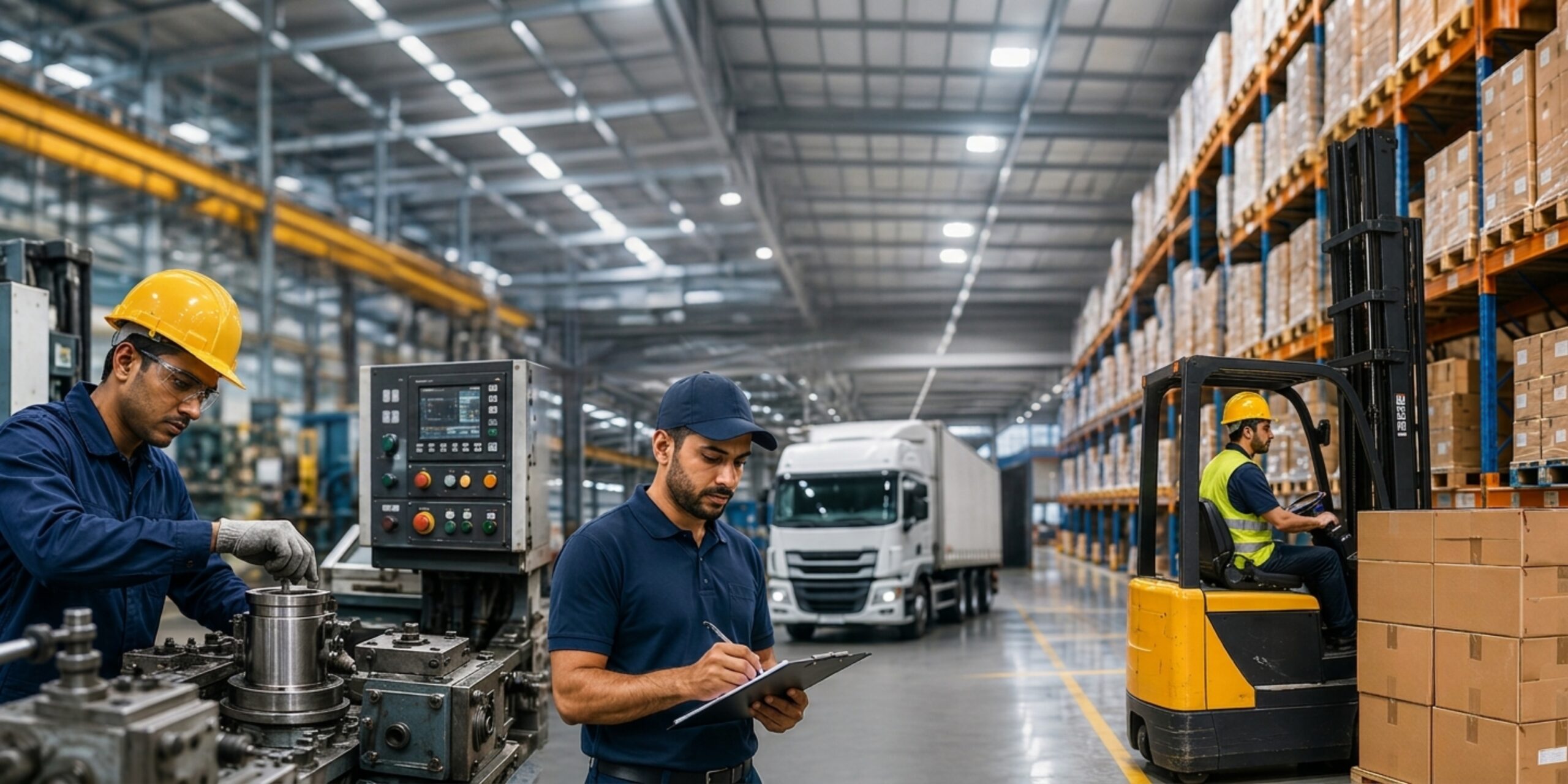
As a result, the demand for skilled workers such as machine operators, forklift operators, warehouse associates, inventory controllers, production supervisors, maintenance technicians, quality inspectors, drivers, and logistics coordinators continues to rise.
Unfortunately, workforce availability has not kept pace with demand, creating a significant talent gap across the industry.
Challenge 1: Labor Shortages
One of the most significant hiring challenges facing manufacturing, logistics, and warehousing companies is labor shortages.
Many employers struggle to find sufficient candidates to fill open positions, especially during peak production periods or seasonal demand spikes.
Several factors contribute to labor shortages:
- Aging workforce and retirements
- Declining interest in industrial careers
- Increased competition from other industries
- Geographic limitations in labor availability
- Rising demand for skilled workers
When positions remain vacant for extended periods, businesses often experience reduced productivity, increased overtime costs, and employee burnout.
Solution
Organizations should develop proactive recruitment strategies that include:
- Building talent pipelines
- Partnering with staffing agencies
- Participating in local job fairs
- Collaborating with vocational institutions
- Implementing employee referral programs
Maintaining a steady flow of candidates helps businesses reduce the impact of labor shortages.
Challenge 2: Skills Gap in the Workforce
Modern manufacturing and logistics operations are increasingly technology-driven. Automation, robotics, warehouse management systems, data analytics, and advanced production equipment require employees with specialized technical skills.
However, many candidates lack the necessary qualifications and experience required to operate modern systems effectively.
Common skill shortages include:
- Machine operation
- Equipment maintenance
- Robotics and automation
- Inventory management software
- Quality control procedures
- Supply chain analytics
The shortage of skilled workers creates hiring difficulties and can slow operational growth.
Solution
Employers should invest in workforce development initiatives such as:
- On-the-job training programs
- Apprenticeships
- Technical certification courses
- Cross-training opportunities
- Partnerships with educational institutions
Developing talent internally often provides a more sustainable solution than relying solely on external hiring.
Challenge 3: High Employee Turnover
Employee turnover remains a major concern across manufacturing, logistics, and warehousing sectors.
Many organizations struggle to retain workers due to:
- Physically demanding work environments
- Limited career advancement opportunities
- Competitive labor markets
- Shift-related challenges
- Better compensation elsewhere
High turnover can significantly increase recruitment and training costs while disrupting daily operations.
Replacing experienced employees often requires additional resources and reduces overall productivity.
Solution
To improve retention, employers should focus on:
- Competitive compensation packages
- Performance incentives
- Career development opportunities
- Employee recognition programs
- Safe and supportive work environments
- Clear communication and feedback systems
Employees who feel valued and supported are more likely to remain with the organization.
Challenge 4: Competition for Talent
Manufacturing, logistics, and warehousing companies are no longer competing only within their industries for talent.
Workers often have opportunities in:
- Retail
- E-commerce
- Construction
- Hospitality
- Service industries
- Gig economy platforms
As a result, businesses must compete aggressively to attract and retain qualified candidates.
Organizations that fail to differentiate themselves may struggle to fill critical positions.
Solution
Employers should strengthen their employer brand by highlighting:
- Career growth opportunities
- Competitive wages
- Employee benefits
- Workplace culture
- Training programs
- Job stability
A strong employer brand can significantly improve recruitment outcomes and attract higher-quality candidates.
Challenge 5: Seasonal Hiring Demands
Many logistics and warehousing operations experience significant fluctuations in workforce requirements during peak seasons.
Industries often face increased demand during:
- Festival seasons
- Holiday shopping periods
- Promotional sales events
- Inventory replenishment cycles
Meeting temporary workforce requirements can be challenging when labor markets are already competitive.
Delayed hiring during peak periods may result in operational bottlenecks and customer service issues.
Solution
Businesses should implement workforce planning strategies that include:
- Temporary staffing solutions
- Contract workers
- Seasonal recruitment campaigns
- Workforce forecasting
- Flexible staffing models
Partnering with staffing agencies can help organizations quickly scale their workforce during high-demand periods.
Challenge 6: Geographic Workforce Constraints
Manufacturing facilities and warehouses are often located in industrial zones or areas with limited access to labor pools.
Candidates may be reluctant to accept positions due to:
- Long commuting distances
- Transportation challenges
- Lack of nearby housing options
This can significantly reduce the number of available applicants.
Solution
Employers can improve recruitment outcomes by offering:
- Transportation assistance
- Company shuttle services
- Housing support programs
- Relocation assistance
- Flexible shift options
Making jobs more accessible can increase the available talent pool.
Challenge 7: Changing Workforce Expectations
Today’s workforce has different expectations compared to previous generations.
Employees increasingly seek:
- Better work-life balance
- Flexible schedules
- Career development opportunities
- Meaningful work experiences
- Positive workplace cultures
Organizations that fail to adapt to these expectations may struggle to attract younger talent.
Solution
Employers should modernize their workforce strategies by:
- Offering flexible scheduling where possible
- Providing clear career progression paths
- Investing in employee wellness programs
- Encouraging open communication
- Promoting a positive workplace culture
Meeting employee expectations helps improve both recruitment and retention.
Challenge 8: Compliance and Workforce Management Issues
Managing large workforces across manufacturing plants, warehouses, and logistics operations involves complex compliance requirements.
Employers must ensure compliance with:
- Labor laws
- Minimum wage regulations
- Overtime requirements
- Employee benefits obligations
- Workplace safety standards
- Statutory compliance requirements
Failure to comply can result in legal penalties, financial losses, and reputational damage.
Solution
Organizations should establish strong HR and compliance processes supported by:
- Automated workforce management systems
- Professional payroll solutions
- Compliance audits
- HR training programs
- Experienced staffing partners
Effective workforce management helps reduce risk and improve operational efficiency.
Challenge 9: Recruiting for Specialized Roles
While entry-level positions can be difficult to fill, recruiting for specialized roles presents an even greater challenge.
Positions such as:
- Maintenance engineers
- Production managers
- Supply chain analysts
- Automation technicians
- Quality assurance specialists
- Logistics planners
often require specific technical expertise and industry experience.
The limited availability of qualified candidates can extend hiring timelines and delay business growth.
Solution
Businesses should develop targeted recruitment strategies that include:
- Industry networking
- Specialized job portals
- Professional associations
- Employee referral programs
- Recruitment partnerships
Building relationships with potential candidates before vacancies arise can significantly improve hiring success.
The Role of Staffing Agencies in Solving Hiring Challenges
Professional staffing agencies play an increasingly important role in helping manufacturing, logistics, and warehousing businesses address workforce challenges.
Staffing partners can assist with:
- Temporary staffing
- Contract staffing
- Permanent recruitment
- Bulk hiring projects
- Payroll management
- Compliance support
- Workforce planning
By leveraging industry expertise and established talent networks, staffing agencies help organizations reduce hiring timelines and improve workforce flexibility.
For businesses experiencing rapid growth or seasonal demand fluctuations, staffing partnerships provide access to scalable workforce solutions that support operational success.
Future Trends Impacting Hiring
The future of hiring in manufacturing, logistics, and warehousing will be influenced by several key trends:
- Increased automation and robotics
- Artificial intelligence in recruitment
- Data-driven workforce planning
- Skills-based hiring models
- Greater emphasis on employee experience
- Workforce reskilling initiatives
- Enhanced workplace safety technologies
Organizations that adapt to these trends will be better positioned to attract talent and maintain a competitive advantage.
Conclusion
Hiring challenges in manufacturing, logistics, and warehousing continue to evolve as labor markets become more competitive and workforce expectations change. Labor shortages, skills gaps, high turnover, seasonal demand fluctuations, and compliance requirements create significant obstacles for employers seeking to build reliable teams.
However, organizations that adopt proactive workforce planning, invest in employee development, strengthen employer branding, and leverage staffing partnerships can successfully overcome these challenges.
The businesses that prioritize strategic recruitment and workforce management today will be better equipped to meet future demand, improve operational efficiency, and achieve sustainable growth in an increasingly dynamic marketplace.