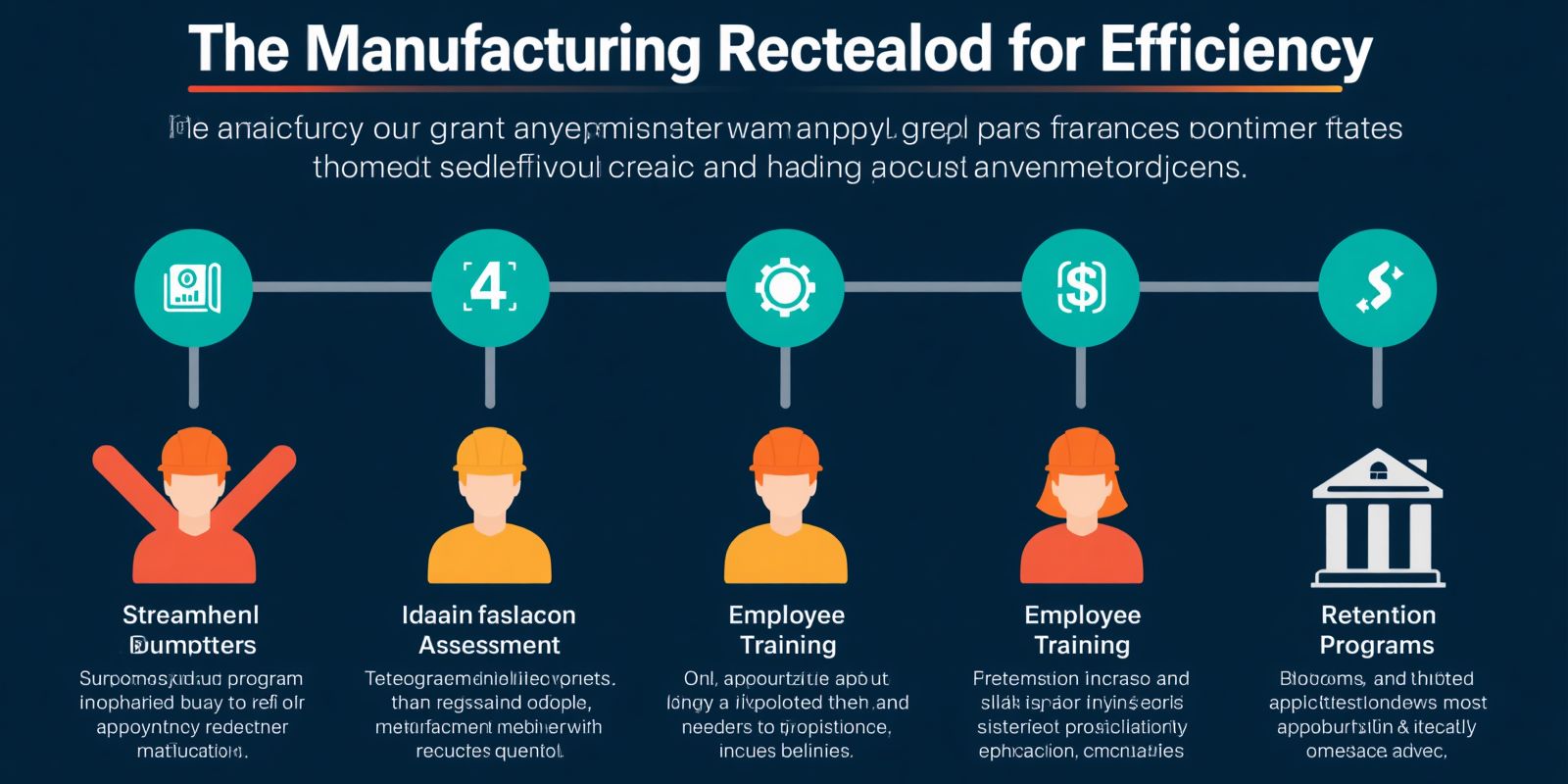
In today’s highly competitive industrial landscape, manufacturing companies are under constant pressure to improve productivity, reduce costs, and maintain consistent quality. While technology and automation play a critical role, the foundation of operational efficiency still lies in having the right workforce. Effective hiring strategies are essential for ensuring that manufacturing units operate smoothly, meet production targets, and adapt to evolving market demands.
This article explores key manufacturing hiring strategies that can significantly enhance efficiency, reduce turnover, and support long-term growth.
Understanding the Importance of Efficient Hiring in Manufacturing
Hiring in manufacturing is not just about filling vacancies—it’s about aligning workforce capabilities with production goals. Inefficient hiring practices can lead to skill gaps, increased downtime, safety risks, and reduced output. On the other hand, a well-structured hiring strategy ensures that every employee contributes effectively to the production process.
Efficiency in hiring translates to:
- Reduced training time
- Lower employee turnover
- Improved workplace safety
- Higher productivity levels
1. Define Clear Job Roles and Skill Requirements
One of the most common mistakes in manufacturing hiring is vague job descriptions. Clearly defining roles, responsibilities, and required skills helps attract the right candidates from the beginning.
Employers should:
- Outline technical and soft skills needed
- Specify experience levels
- Include physical and safety requirements
- Define performance expectations
This clarity not only speeds up the recruitment process but also ensures better job-role alignment.
2. Leverage Technology in Recruitment
Modern hiring strategies rely heavily on digital tools. Using applicant tracking systems (ATS), AI-based screening tools, and online job platforms can streamline the hiring process.
Benefits include:
- Faster candidate screening
- Reduced administrative workload
- Improved candidate matching
- Data-driven hiring decisions
Automation in recruitment ensures consistency and reduces human bias, ultimately improving hiring efficiency.
3. Focus on Skill-Based Hiring
Instead of prioritizing only educational qualifications, manufacturers should focus on practical skills and hands-on experience. Skill-based hiring ensures that workers can perform tasks efficiently from day one.
Strategies include:
- Conducting practical assessments
- Evaluating machine-handling capabilities
- Testing problem-solving skills
This approach reduces training costs and minimizes errors in production.
4. Build a Talent Pipeline
Maintaining a ready pool of skilled workers is crucial for handling sudden demand spikes or workforce shortages. Companies can build a talent pipeline by:
- Partnering with vocational institutes
- Conducting apprenticeship programs
- Engaging with training centers
- Keeping a database of previous applicants
A strong talent pipeline ensures quick hiring without compromising quality.
5. Implement Employee Referral Programs
Employee referrals are one of the most effective hiring strategies in manufacturing. Existing employees understand the job requirements and can recommend suitable candidates.
Advantages include:
- Faster hiring process
- Higher retention rates
- Better cultural fit
- Reduced recruitment costs
Incentivizing referrals encourages employees to participate actively in recruitment.
6. Prioritize Cultural Fit and Work Ethic
Technical skills are important, but cultural fit and work ethic are equally critical in manufacturing environments. Workers must be able to collaborate, follow safety protocols, and adapt to shift-based work.
During interviews, assess:
- Teamwork ability
- Reliability and punctuality
- Attitude toward safety and discipline
Hiring candidates who align with company culture improves overall workplace harmony and efficiency.
7. Offer Competitive Compensation and Benefits
To attract and retain skilled workers, manufacturers must offer competitive wages and benefits. This is especially important in industries facing labor shortages.
Consider offering:
- Performance-based incentives
- Health and safety benefits
- Overtime pay
- Career growth opportunities
Attractive compensation packages not only draw talent but also boost employee motivation and productivity.
8. Invest in Training and Upskilling
Even with efficient hiring, continuous training is essential for maintaining workforce efficiency. Manufacturing technologies and processes evolve rapidly, and employees must keep up.
Training programs should focus on:
- Machine operation and maintenance
- Safety protocols
- Quality control processes
- Soft skills development
Upskilling employees reduces errors, improves efficiency, and enhances job satisfaction.
9. Use Flexible Hiring Models
Manufacturers often experience fluctuations in demand. Adopting flexible hiring models such as temporary staffing, contract workers, or seasonal hiring can help manage workload effectively.
Benefits include:
- Cost control
- Workforce scalability
- Reduced long-term commitments
Flexible staffing ensures that production continues smoothly during peak periods without overburdening permanent staff.
10. Strengthen Employer Branding
A strong employer brand attracts high-quality candidates. Manufacturing companies should showcase their work culture, growth opportunities, and commitment to employee well-being.
Ways to build employer branding:
- Maintain an active online presence
- Share employee success stories
- Highlight safety and innovation initiatives
A positive reputation makes hiring easier and more effective.
11. Streamline the Onboarding Process
Hiring does not end with selection. A smooth onboarding process helps new employees integrate quickly into the workplace.
Effective onboarding includes:
- Clear orientation programs
- Job-specific training
- Introduction to team and supervisors
- Safety training sessions
A well-structured onboarding process reduces confusion and increases productivity from the start.
12. Monitor and Improve Hiring Metrics
To ensure continuous improvement, manufacturers should track key hiring metrics such as:
- Time-to-hire
- Cost-per-hire
- Employee retention rate
- Productivity levels
Analyzing these metrics helps identify gaps in the hiring process and implement necessary improvements.
13. Emphasize Safety in Hiring Decisions
Manufacturing environments can be hazardous, making safety a top priority. Hiring candidates who understand and respect safety protocols is essential.
Employers should:
- Evaluate safety awareness during interviews
- Provide safety training
- Conduct regular safety assessments
A safety-focused workforce reduces accidents and improves overall efficiency.
14. Collaborate with Staffing Agencies
Partnering with specialized staffing agencies can simplify the hiring process, especially for large-scale or urgent requirements.
Staffing agencies offer:
- Access to pre-screened candidates
- Industry-specific expertise
- Faster hiring turnaround
This collaboration allows manufacturers to focus on core operations while ensuring workforce availability.
Conclusion
Efficient hiring is the backbone of successful manufacturing operations. By adopting strategic hiring practices, companies can build a skilled, reliable, and productive workforce that drives operational excellence.
From defining clear job roles and leveraging technology to investing in training and building a strong employer brand, every step in the hiring process contributes to overall efficiency. In a rapidly evolving industrial environment, manufacturers that prioritize smart hiring strategies will gain a competitive edge, improve productivity, and achieve sustainable growth.