Introduction
In today’s rapidly evolving industrial landscape, organizations are under constant pressure to improve efficiency, reduce costs, and maintain a competitive edge. One of the most effective ways to achieve these goals is through integrated workforce solutions. These solutions combine technology, talent management, and strategic planning to create a streamlined approach to managing human resources across industries.
Integrated workforce solutions are no longer a luxury but a necessity. From manufacturing and logistics to healthcare and IT, businesses are embracing these systems to ensure productivity, scalability, and adaptability. This article explores the concept, benefits, implementation strategies, and future trends of integrated workforce solutions in industries.
What Are Integrated Workforce Solutions?
Integrated workforce solutions refer to a comprehensive approach to managing an organization’s workforce by combining various functions such as recruitment, training, workforce planning, scheduling, payroll, and performance management into a unified system.
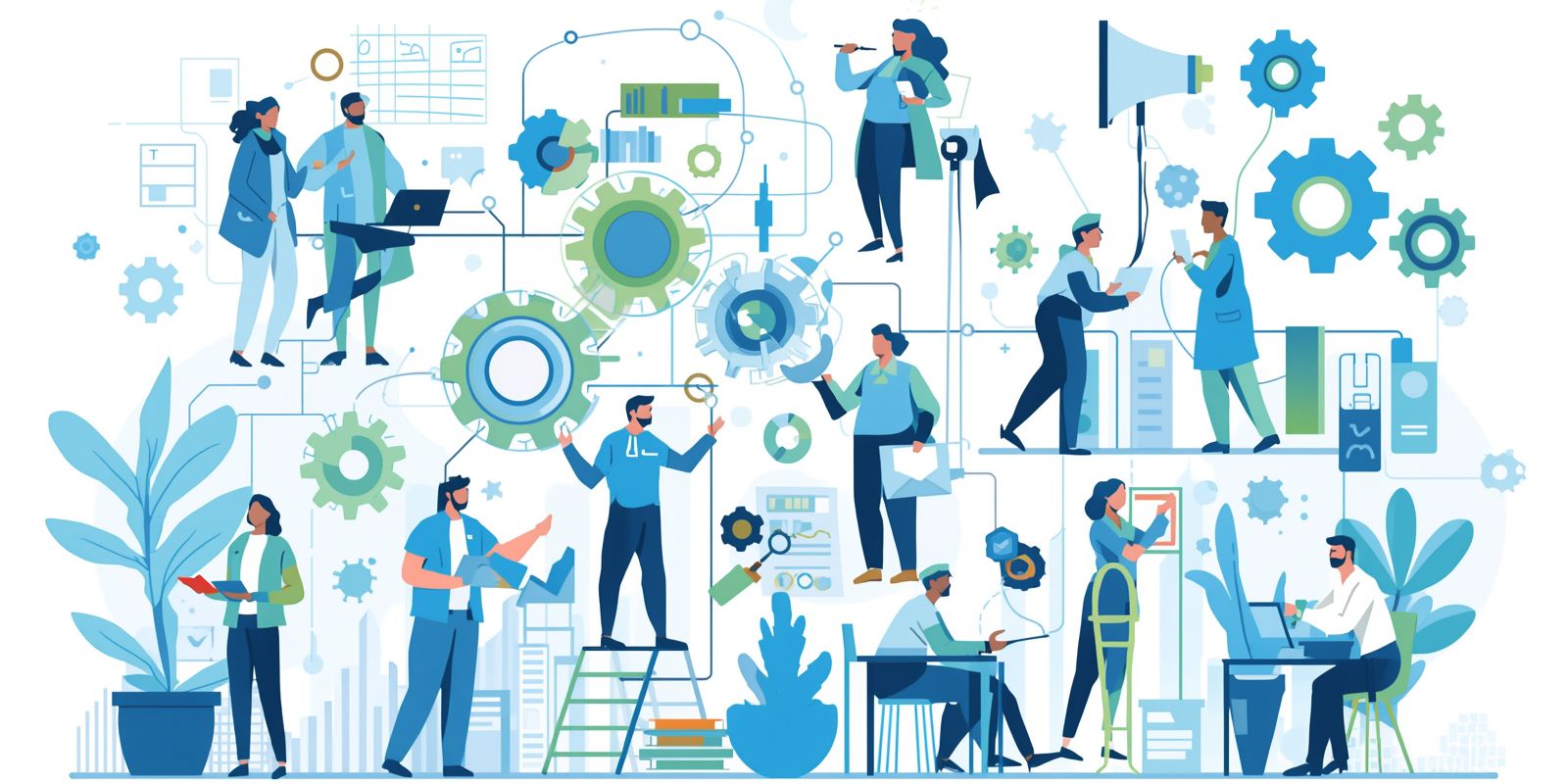
Instead of operating in silos, all workforce-related activities are interconnected through technology platforms and strategic frameworks. This integration enables real-time data access, better decision-making, and improved operational efficiency.
Key Components of Integrated Workforce Solutions
1. Workforce Planning
Workforce planning involves analyzing current workforce capabilities and forecasting future needs. It helps organizations ensure they have the right number of employees with the right skills at the right time.
2. Talent Acquisition
Modern recruitment strategies use data analytics and AI tools to identify, attract, and hire the best talent efficiently.
3. Training and Development
Continuous learning is essential for workforce growth. Integrated systems provide access to training programs, skill development modules, and performance tracking.
4. Workforce Management Systems
These include scheduling, attendance tracking, and shift management tools that help optimize labor utilization.
5. Payroll and Compliance
Automated payroll systems ensure timely and accurate payments while maintaining compliance with labor laws and regulations.
6. Performance Management
Tracking employee performance through integrated tools helps in identifying strengths, areas for improvement, and career development opportunities.
Benefits of Integrated Workforce Solutions
1. Improved Operational Efficiency
By integrating all workforce functions, organizations can eliminate redundancies and streamline processes. This leads to faster decision-making and increased productivity.
2. Cost Optimization
Automation reduces manual work, minimizes errors, and lowers administrative costs. Businesses can allocate resources more effectively.
3. Enhanced Employee Experience
Employees benefit from transparent systems, easy access to information, and better communication, leading to higher job satisfaction.
4. Data-Driven Decision Making
Integrated systems provide real-time data and analytics, enabling organizations to make informed decisions about workforce planning and management.
5. Scalability and Flexibility
These solutions allow businesses to scale their workforce up or down based on demand without major disruptions.
Industries Benefiting from Integrated Workforce Solutions
1. Manufacturing
Manufacturing industries rely on precise workforce scheduling and skill management. Integrated solutions help reduce downtime and improve production efficiency.
2. Healthcare
Healthcare organizations use these systems to manage staff scheduling, compliance, and patient care coordination effectively.
3. Logistics and Supply Chain
Workforce optimization ensures timely deliveries, efficient warehouse operations, and better inventory management.
4. Information Technology
IT companies benefit from talent management systems that help in tracking skills, project allocation, and employee performance.
5. Retail
Retail businesses use workforce solutions for shift scheduling, seasonal hiring, and customer service optimization.
Role of Technology in Workforce Integration
Technology plays a crucial role in enabling integrated workforce solutions. Key technologies include:
- Artificial Intelligence (AI): Helps in predictive analytics, recruitment, and performance evaluation
- Cloud Computing: Provides centralized access to workforce data
- Automation Tools: Streamline repetitive tasks like payroll and attendance
- Mobile Applications: Allow employees and managers to access information on the go
- Data Analytics: Offers insights into workforce trends and performance
These technologies ensure seamless integration and enhance overall efficiency.
Challenges in Implementing Integrated Workforce Solutions
1. High Initial Investment
Implementing advanced systems can require significant upfront costs.
2. Resistance to Change
Employees and management may resist adopting new technologies and processes.
3. Data Security Concerns
With centralized systems, ensuring data privacy and security becomes critical.
4. Integration Complexity
Combining multiple systems into one platform can be technically challenging.
Best Practices for Successful Implementation
1. Define Clear Objectives
Organizations should identify their goals and expectations before implementing solutions.
2. Choose the Right Technology
Selecting scalable and user-friendly platforms is crucial for long-term success.
3. Employee Training
Providing proper training ensures smooth adoption and usage of new systems.
4. Continuous Monitoring
Regular evaluation helps in identifying gaps and improving system performance.
5. Partner with Experts
Collaborating with experienced service providers can simplify implementation and management.
Future Trends in Integrated Workforce Solutions
1. AI-Driven Workforce Management
AI will continue to enhance workforce planning, recruitment, and performance analysis.
2. Remote and Hybrid Workforce Integration
With the rise of remote work, integrated systems will focus on managing distributed teams effectively.
3. Predictive Analytics
Advanced analytics will help organizations anticipate workforce needs and challenges.
4. Employee-Centric Solutions
Future systems will prioritize employee well-being, engagement, and career development.
5. Automation Expansion
More processes will be automated, reducing manual intervention and increasing efficiency.
Conclusion
Integrated workforce solutions are transforming how industries manage their human resources. By combining technology, data, and strategic planning, these solutions enable organizations to optimize operations, enhance employee experience, and achieve sustainable growth.
As industries continue to evolve, adopting integrated workforce solutions will be essential for staying competitive and meeting the demands of a dynamic market. Businesses that invest in these systems today will be better prepared for the challenges and opportunities of tomorrow.