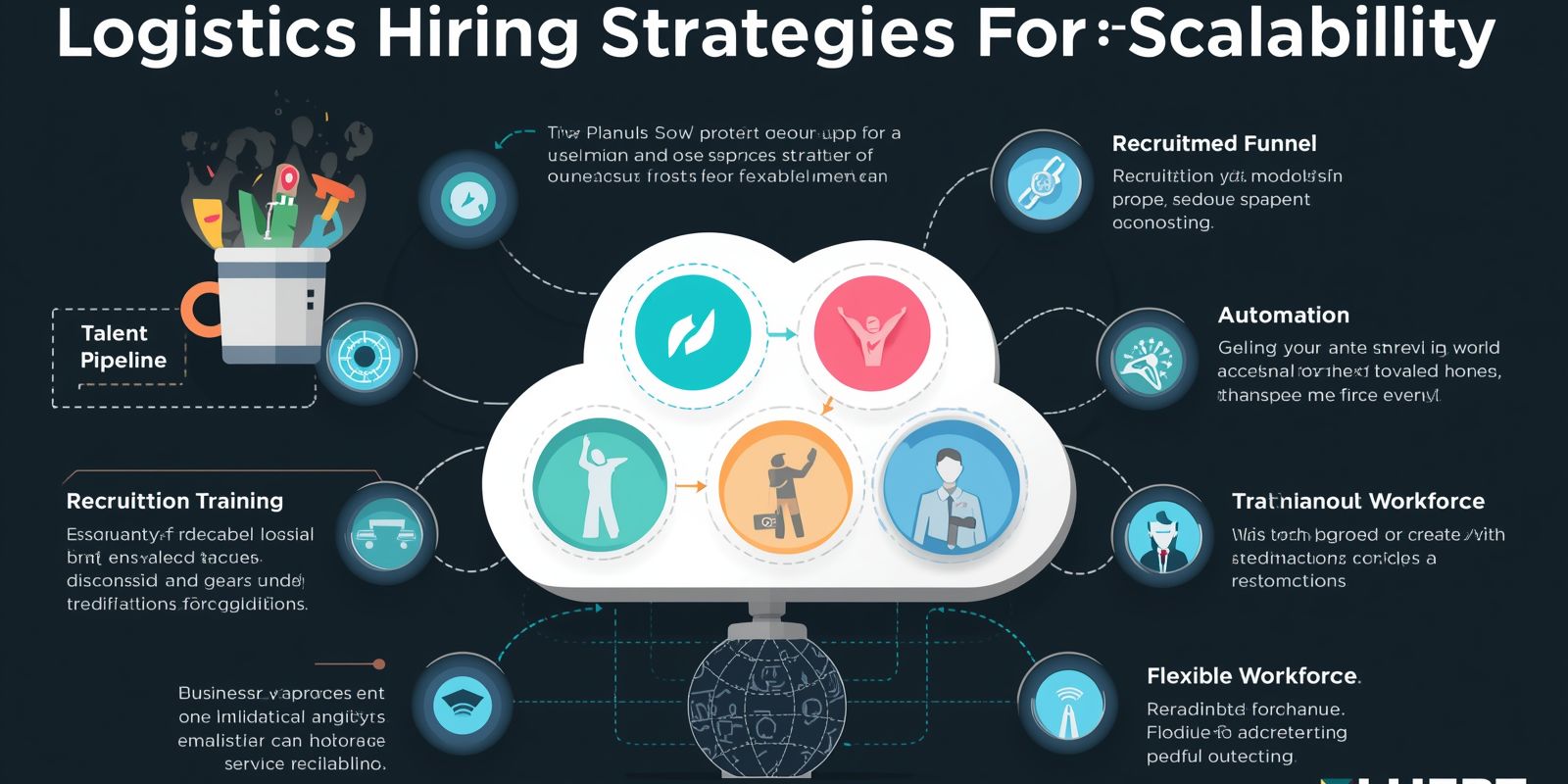
In today’s fast-evolving global economy, logistics has become the backbone of business operations. From e-commerce giants to manufacturing units, efficient logistics systems ensure that goods move seamlessly from one point to another. However, as businesses grow, their logistics operations must scale accordingly—and this is where strategic hiring plays a crucial role. Logistics hiring strategies for scalability are not just about filling positions; they are about building a flexible, skilled, and future-ready workforce that can adapt to changing demands.
Understanding Scalability in Logistics
Scalability in logistics refers to the ability of an organization to expand its operations without compromising efficiency or service quality. Whether it’s handling seasonal spikes, entering new markets, or adopting new technologies, scalable logistics operations require a workforce that can grow and evolve alongside the business.
Hiring the right talent is central to this process. A scalable workforce is not just larger—it is smarter, more adaptable, and aligned with long-term business goals.
Key Challenges in Logistics Hiring
Before diving into strategies, it’s important to understand the common challenges faced in logistics hiring:
- High Attrition Rates: Logistics roles often experience frequent turnover due to demanding work conditions.
- Skill Gaps: There is a shortage of skilled workers, especially in areas like supply chain analytics and warehouse automation.
- Seasonal Demand Fluctuations: Peak seasons require rapid workforce expansion, which can strain hiring processes.
- Geographical Constraints: Hiring for remote or multiple locations adds complexity to recruitment.
Addressing these challenges requires a proactive and structured hiring approach.
1. Workforce Planning for Long-Term Growth
Strategic workforce planning is the foundation of scalable hiring. Businesses must forecast their future logistics needs based on growth projections, market trends, and operational goals.
- Analyze historical data to predict hiring needs.
- Identify critical roles that will drive scalability.
- Develop a hiring roadmap aligned with business expansion plans.
By planning ahead, organizations can avoid last-minute hiring rushes and ensure a steady talent pipeline.
2. Building a Talent Pipeline
A strong talent pipeline ensures that qualified candidates are readily available when needed. Instead of starting from scratch each time, companies can maintain a pool of pre-screened candidates.
- Partner with training institutes and vocational centers.
- Use employee referrals to attract reliable candidates.
- Maintain a database of past applicants and freelancers.
This approach reduces time-to-hire and improves hiring efficiency during peak demand periods.
3. Leveraging Technology in Recruitment
Technology plays a vital role in scaling logistics hiring. Modern recruitment tools can streamline processes and improve candidate quality.
- Use Applicant Tracking Systems (ATS) to manage applications.
- Implement AI-driven screening tools to shortlist candidates بسرعة.
- Conduct virtual interviews to speed up the hiring process.
Automation not only saves time but also ensures consistency and accuracy in hiring decisions.
4. Flexible Staffing Models
To achieve scalability, businesses must adopt flexible staffing models that can adapt to changing demands.
- Temporary Staffing: Ideal for seasonal peaks.
- Contract Workers: Useful for short-term projects.
- Gig Workforce: Increasingly popular in logistics for last-mile delivery roles.
Flexible staffing allows companies to scale up or down without long-term commitments, optimizing costs and efficiency.
5. Focus on Skill-Based Hiring
Instead of hiring based solely on experience, companies should prioritize skills and adaptability.
- Identify core competencies required for each role.
- Conduct practical assessments to evaluate skills.
- Invest in candidates with learning potential.
Skill-based hiring ensures that employees can quickly adapt to new technologies and processes, which is essential for scalability.
6. Training and Upskilling Programs
Hiring is just the first step. Continuous training and development are crucial for maintaining a scalable workforce.
- Provide onboarding programs to ensure smooth integration.
- Offer regular training sessions on new tools and technologies.
- Encourage cross-functional learning to enhance versatility.
Upskilling employees not only improves performance but also reduces dependency on external hiring.
7. Employer Branding and Employee Experience
A strong employer brand attracts top talent and reduces hiring costs. In the competitive logistics sector, companies must position themselves as attractive employers.
- Highlight career growth opportunities.
- Offer competitive compensation and benefits.
- Create a positive work environment.
Employee experience also plays a key role in retention. Happy employees are more likely to stay and contribute to long-term scalability.
8. Data-Driven Hiring Decisions
Data analytics can significantly improve hiring strategies. By analyzing recruitment metrics, companies can identify areas for improvement.
- Track time-to-hire and cost-per-hire.
- Analyze candidate sources for effectiveness.
- Monitor employee performance and retention rates.
Data-driven insights help refine hiring processes and ensure better outcomes.
9. Localization and Regional Hiring Strategies
For businesses operating in multiple locations, localized hiring strategies are essential.
- Understand regional labor markets and availability.
- Customize hiring approaches based on location-specific needs.
- Build local partnerships to source talent.
Localization ensures that hiring strategies are relevant and effective across different regions.
10. Collaboration Between HR and Operations
Scalable logistics hiring requires close collaboration between HR and operations teams.
- Align hiring goals with operational requirements.
- Involve managers in the recruitment process.
- Ensure clear communication between departments.
This collaboration ensures that hiring decisions are practical and aligned with real-world needs.
Future Trends in Logistics Hiring
As the logistics industry evolves, hiring strategies must also adapt to emerging trends:
- Automation and Robotics: Demand for tech-savvy workers will increase.
- Sustainability Initiatives: Green logistics roles will gain importance.
- Digital Transformation: Skills in data analytics and digital tools will be highly valued.
Organizations that anticipate these trends and adjust their hiring strategies accordingly will be better positioned for scalable growth.
Conclusion
Logistics hiring strategies for scalability are essential for businesses aiming to grow in a competitive market. By focusing on workforce planning, leveraging technology, adopting flexible staffing models, and investing in employee development, companies can build a workforce that supports long-term expansion.
Scalability is not just about increasing numbers—it’s about creating a resilient and adaptable workforce that can handle challenges and seize opportunities. With the right hiring strategies in place, businesses can achieve operational excellence and sustainable growth in the logistics sector.