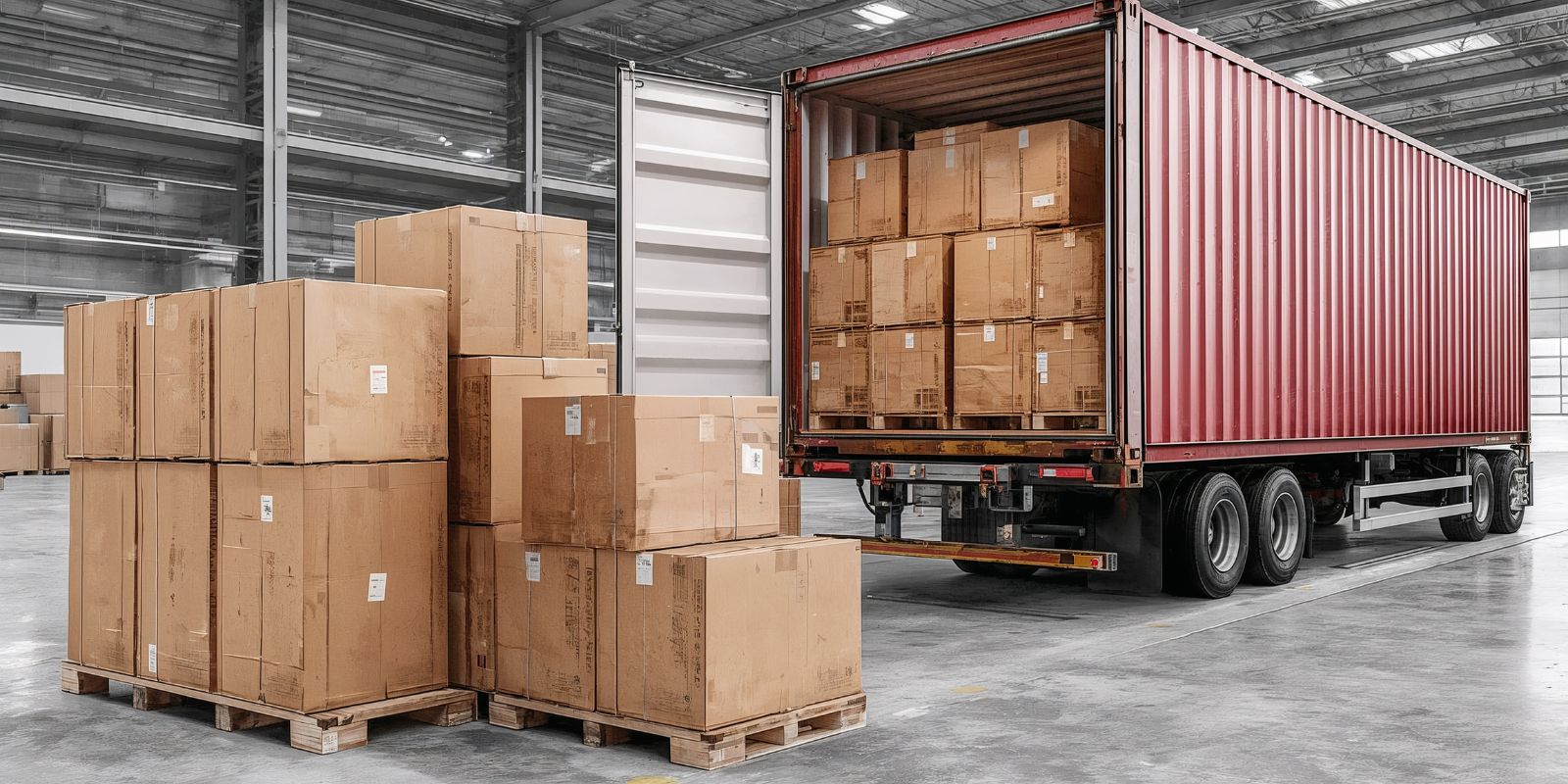
In today’s fast-paced and highly competitive market, logistics has become the backbone of business success. From manufacturing units to e-commerce platforms, every organization depends on efficient logistics operations to ensure timely delivery, cost control, and customer satisfaction. However, one of the biggest challenges businesses face is finding, managing, and retaining the right talent. This is where logistics talent solutions play a crucial role.
Logistics talent solutions refer to specialized workforce strategies designed to meet the dynamic staffing needs of logistics, supply chain, and distribution operations. These solutions help businesses hire skilled professionals, optimize workforce performance, and adapt to fluctuating demand. In this article, we will explore the importance, benefits, and strategies of logistics talent solutions for modern businesses.
Understanding Logistics Talent Needs
The logistics industry is vast and includes multiple roles such as warehouse staff, delivery personnel, supply chain analysts, inventory managers, and transportation coordinators. Each role requires a specific set of skills, experience, and adaptability.
Businesses often struggle with:
- High employee turnover
- Seasonal demand fluctuations
- Lack of skilled workforce
- Inefficient hiring processes
- Compliance and labor law challenges
Logistics talent solutions address these challenges by providing customized staffing models tailored to business needs.
Importance of Logistics Talent Solutions
A strong workforce is essential for smooth logistics operations. Without the right talent, businesses may face delays, increased costs, and poor service quality.
Here’s why logistics talent solutions are important:
1. Improved Operational Efficiency
Skilled employees ensure faster processing, accurate inventory management, and timely deliveries.
2. Scalability
Businesses can scale their workforce up or down based on seasonal demand without long-term commitments.
3. Cost Optimization
Outsourcing talent solutions reduces recruitment costs, training expenses, and administrative overhead.
4. Access to Skilled Workforce
Talent solution providers have access to pre-screened and trained candidates ready to deploy.
5. Compliance Management
They ensure adherence to labor laws, reducing legal risks for businesses.
Types of Logistics Talent Solutions
Different businesses require different workforce strategies. Here are the most common types:
1. Temporary Staffing
Ideal for peak seasons, temporary staffing allows companies to handle increased workload without permanent hiring.
2. Permanent Recruitment
For long-term roles, businesses can hire skilled professionals through recruitment services.
3. Contract Staffing
Employees are hired for specific projects or durations, offering flexibility and cost control.
4. On-Demand Workforce
Quick deployment of workers to meet urgent operational needs.
5. Managed Workforce Solutions
End-to-end workforce management, including hiring, training, payroll, and compliance.
Key Roles in Logistics Workforce
A well-structured logistics operation depends on multiple roles working together efficiently.
- Warehouse Associates – Handle storage, packing, and dispatch
- Forklift Operators – Manage heavy goods movement
- Delivery Executives – Ensure last-mile delivery
- Inventory Managers – Track stock levels and reduce wastage
- Supply Chain Analysts – Optimize logistics processes
- Transport Coordinators – Manage fleet and routes
Each role contributes to the overall productivity and success of logistics operations.
Benefits of Logistics Talent Solutions
Implementing logistics talent solutions offers numerous advantages:
1. Faster Hiring Process
With pre-screened candidates, businesses can fill positions quickly and avoid operational delays.
2. Flexibility
Companies can adjust workforce size based on demand fluctuations.
3. Reduced Turnover
Professional staffing agencies provide better candidate matching, reducing attrition rates.
4. Enhanced Productivity
Skilled workers perform tasks efficiently, improving overall output.
5. Focus on Core Business
Outsourcing workforce management allows businesses to focus on growth and strategy.
Challenges in Logistics Hiring
Despite the benefits, logistics hiring comes with its own challenges:
- Shortage of skilled labor
- High attrition rates
- Demand for quick hiring
- Training and onboarding costs
- Managing large workforce
Logistics talent solutions help overcome these challenges by offering structured and efficient hiring processes.
Strategies for Effective Logistics Talent Management
To maximize the benefits of logistics talent solutions, businesses should adopt the following strategies:
1. Workforce Planning
Analyze demand trends and plan staffing requirements in advance.
2. Skill Development
Invest in training programs to enhance employee skills and productivity.
3. Technology Integration
Use HR and workforce management tools for better tracking and efficiency.
4. Employee Engagement
Provide incentives, recognition, and growth opportunities to retain talent.
5. Partner with Experts
Collaborate with experienced staffing agencies for reliable workforce solutions.
Role of Technology in Logistics Talent Solutions
Technology has transformed logistics workforce management. Businesses now use advanced tools to streamline operations and improve efficiency.
Key technological advancements include:
- AI-based recruitment tools for faster hiring
- Workforce management software for scheduling and tracking
- Data analytics for performance evaluation
- Mobile apps for communication and coordination
These technologies help businesses make informed decisions and improve workforce productivity.
Logistics Talent Solutions for Different Industries
Logistics is not limited to one sector. Various industries benefit from tailored workforce solutions:
1. E-commerce
High demand for warehouse staff and delivery personnel during sales and festive seasons.
2. Manufacturing
Requires skilled labor for inventory management and transportation.
3. Retail
Needs efficient supply chain operations to maintain stock availability.
4. FMCG
Fast-moving goods require quick and reliable logistics support.
Each industry has unique requirements, and logistics talent solutions help meet those needs effectively.
Future Trends in Logistics Talent Solutions
The logistics industry is evolving rapidly, and workforce strategies must adapt accordingly.
1. Automation and Robotics
Machines will handle repetitive tasks, reducing manual labor requirements.
2. Gig Workforce Growth
Freelance and contract workers will play a bigger role in logistics operations.
3. Upskilling and Reskilling
Continuous training will become essential to keep up with technological advancements.
4. Data-Driven Decision Making
Businesses will rely more on analytics for workforce planning.
5. Focus on Employee Experience
Better working conditions and benefits will be key to retaining talent.
Choosing the Right Logistics Talent Partner
Selecting the right talent solution provider is crucial for success. Businesses should consider:
- Industry experience
- Candidate quality
- Scalability of services
- Compliance expertise
- Technology capabilities
A reliable partner ensures smooth workforce management and long-term business growth.
Conclusion
Logistics talent solutions are no longer optional—they are essential for businesses aiming to stay competitive in today’s dynamic market. By leveraging these solutions, companies can overcome workforce challenges, improve efficiency, and achieve operational excellence.
From temporary staffing to managed workforce solutions, businesses have multiple options to choose from based on their needs. With the right strategies and partnerships, logistics talent solutions can drive productivity, reduce costs, and enhance customer satisfaction.
As the logistics industry continues to evolve, companies that invest in effective talent solutions will be better positioned to succeed in the long run.