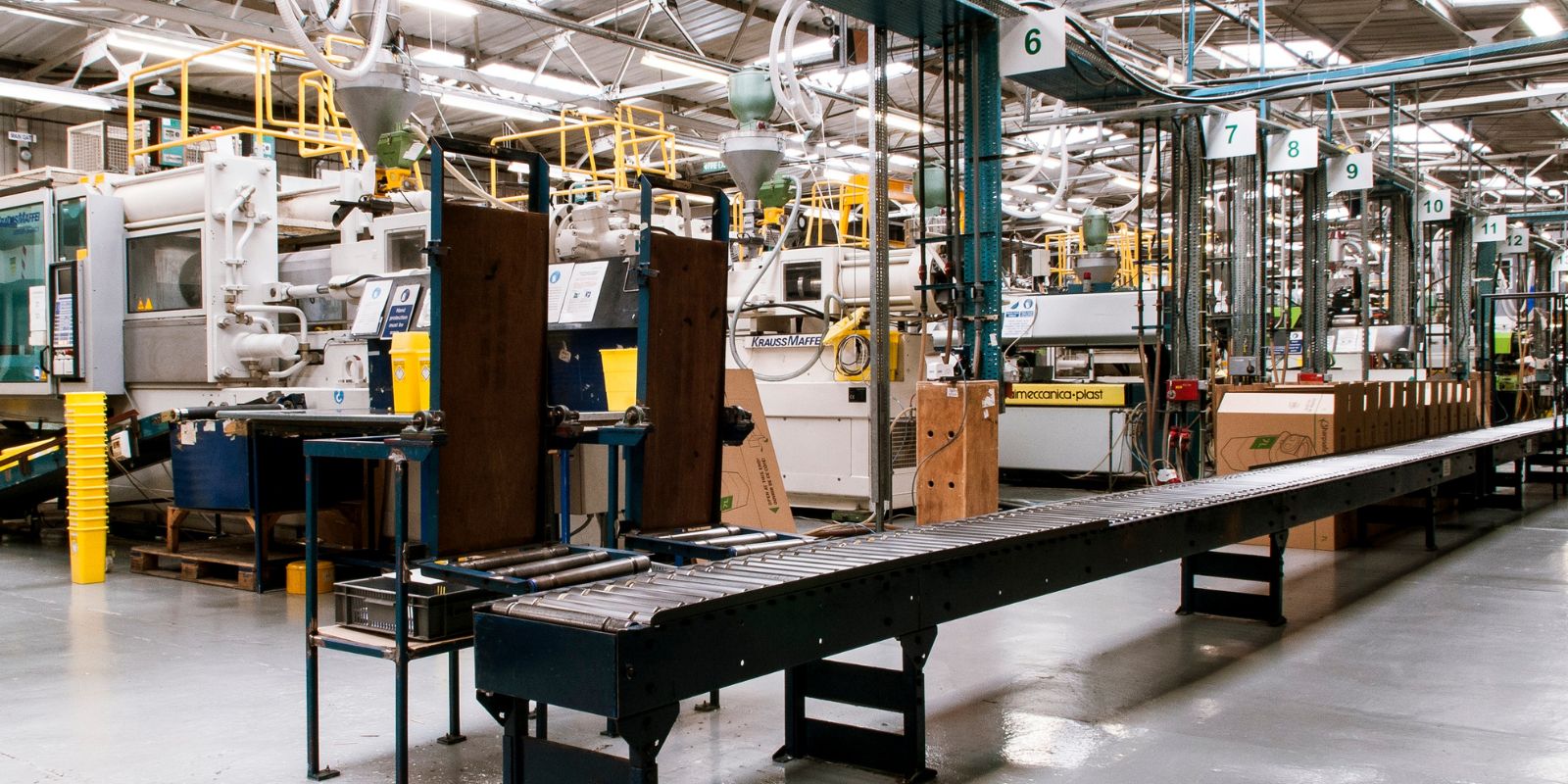
In today’s fast-paced supply chain environment, warehouse productivity is no longer just a competitive advantage—it is a necessity. With rising customer expectations, e-commerce growth, and increasing pressure to reduce operational costs, organizations must rethink how they manage their workforce. One of the most effective ways to achieve operational excellence is by implementing the right warehouse staffing models.
A well-designed staffing model ensures that the right number of workers with the right skills are available at the right time. This directly impacts efficiency, cost control, employee satisfaction, and overall business performance. In this article, we will explore various warehouse staffing models, their benefits, and how businesses can implement them to boost productivity.
Understanding Warehouse Staffing Models
Warehouse staffing models refer to structured approaches used to plan, deploy, and manage labor within warehouse operations. These models determine how many workers are needed, their roles, schedules, and how they adapt to demand fluctuations.
An effective staffing model aligns workforce capabilities with operational requirements, ensuring optimal utilization of resources while maintaining service quality.
Importance of Warehouse Staffing for Productivity
Warehouse productivity depends heavily on workforce efficiency. Poor staffing decisions can lead to underutilization, bottlenecks, delays, and increased operational costs. On the other hand, a well-optimized staffing model provides several benefits:
- Improved order accuracy and faster fulfillment
- Reduced labor costs and overtime expenses
- Better employee morale and retention
- Enhanced flexibility during demand fluctuations
- Increased overall operational efficiency
Key Warehouse Staffing Models
1. Fixed Staffing Model
The fixed staffing model involves maintaining a consistent number of employees regardless of demand variations. This model is typically used in warehouses with stable and predictable workloads.
Advantages:
- Simple to manage and plan
- Consistent workforce performance
- Easier training and supervision
Challenges:
- Inefficiency during low demand periods
- Overtime costs during peak seasons
2. Flexible Staffing Model
The flexible staffing model adjusts workforce size based on demand. Companies hire temporary or part-time workers during peak periods and reduce staff during slower times.
Advantages:
- Cost-effective labor management
- Ability to handle seasonal spikes
- Improved resource utilization
Challenges:
- Training temporary workers
- Maintaining quality and consistency
3. Hybrid Staffing Model
A hybrid model combines fixed and flexible approaches. A core team of permanent employees is supported by temporary staff during high-demand periods.
Advantages:
- Balanced cost and stability
- Scalability during peak seasons
- Reduced dependency on overtime
Challenges:
- Coordination between permanent and temporary staff
- Workforce integration issues
4. Shift-Based Staffing Model
This model divides warehouse operations into multiple shifts to ensure round-the-clock productivity. It is commonly used in high-volume warehouses and distribution centers.
Advantages:
- Maximizes facility utilization
- Faster order processing
- Continuous operations
Challenges:
- Managing shift transitions
- Worker fatigue and scheduling complexity
5. Task-Based Staffing Model
In this model, workers are assigned specific tasks such as picking, packing, sorting, or loading. Staffing is based on task requirements rather than general roles.
Advantages:
- Higher specialization and efficiency
- Improved performance tracking
- Better process optimization
Challenges:
- Limited workforce flexibility
- Dependency on specific skill sets
6. On-Demand Staffing Model
This model uses gig workers or third-party staffing agencies to provide labor as needed. It is ideal for businesses with unpredictable demand patterns.
Advantages:
- High flexibility
- Reduced long-term labor costs
- Quick workforce scaling
Challenges:
- Quality control issues
- Dependence on external providers
Factors to Consider When Choosing a Staffing Model
Selecting the right staffing model depends on several critical factors:
1. Demand Variability
Businesses with fluctuating demand should opt for flexible or hybrid models, while stable operations may benefit from fixed staffing.
2. Warehouse Size and Complexity
Large and complex warehouses often require shift-based or task-based models to maintain efficiency.
3. Technology Integration
Automation and warehouse management systems (WMS) influence staffing needs by reducing manual labor and improving accuracy.
4. Labor Costs
Cost considerations play a major role in choosing between permanent and temporary staffing solutions.
5. Skill Requirements
Specialized tasks may require trained personnel, making hybrid or task-based models more suitable.
Strategies to Improve Warehouse Staffing Productivity
1. Workforce Planning and Forecasting
Accurate demand forecasting helps businesses plan staffing requirements effectively. Using historical data and predictive analytics can significantly improve workforce allocation.
2. Cross-Training Employees
Training employees in multiple roles increases flexibility and ensures smooth operations during staff shortages or peak periods.
3. Leveraging Technology
Implementing tools like warehouse management systems (WMS), labor management systems (LMS), and automation technologies can optimize workforce efficiency and reduce manual errors.
4. Performance Monitoring
Tracking key performance indicators (KPIs) such as picking rates, order accuracy, and labor productivity helps identify areas for improvement.
5. Employee Engagement and Retention
A motivated workforce is more productive. Providing incentives, career growth opportunities, and a positive work environment can reduce turnover and improve performance.
6. Outsourcing and Partnerships
Collaborating with staffing agencies or third-party logistics providers can help businesses scale operations quickly without long-term commitments.
Role of Automation in Warehouse Staffing
Automation is transforming warehouse operations by reducing reliance on manual labor. Technologies such as robotics, conveyor systems, and AI-driven tools are improving efficiency and accuracy.
However, automation does not eliminate the need for human workers. Instead, it shifts the focus toward skilled roles such as system management, maintenance, and data analysis. Businesses must adapt their staffing models to integrate human and automated processes effectively.
Common Challenges in Warehouse Staffing
Despite the benefits, implementing effective staffing models comes with challenges:
- High employee turnover
- Labor shortages
- Training and onboarding costs
- Managing workforce diversity
- Adapting to technological changes
Addressing these challenges requires a proactive approach, including continuous training, strategic planning, and investment in employee development.
Future Trends in Warehouse Staffing
The future of warehouse staffing is evolving rapidly, driven by technological advancements and changing market dynamics. Key trends include:
- Increased use of AI and automation
- Growth of gig and on-demand workforce
- Data-driven workforce management
- Focus on employee well-being and safety
- Integration of smart warehouse technologies
Businesses that embrace these trends will be better positioned to achieve long-term productivity and competitiveness.
Conclusion
Warehouse staffing models play a crucial role in determining operational productivity and efficiency. By selecting the right model—whether fixed, flexible, hybrid, or task-based—businesses can optimize workforce utilization, reduce costs, and improve service quality.
The key lies in understanding operational needs, leveraging technology, and maintaining a balance between workforce flexibility and stability. With the right strategies in place, organizations can build a resilient and productive warehouse workforce capable of meeting the demands of today’s dynamic supply chain environment.