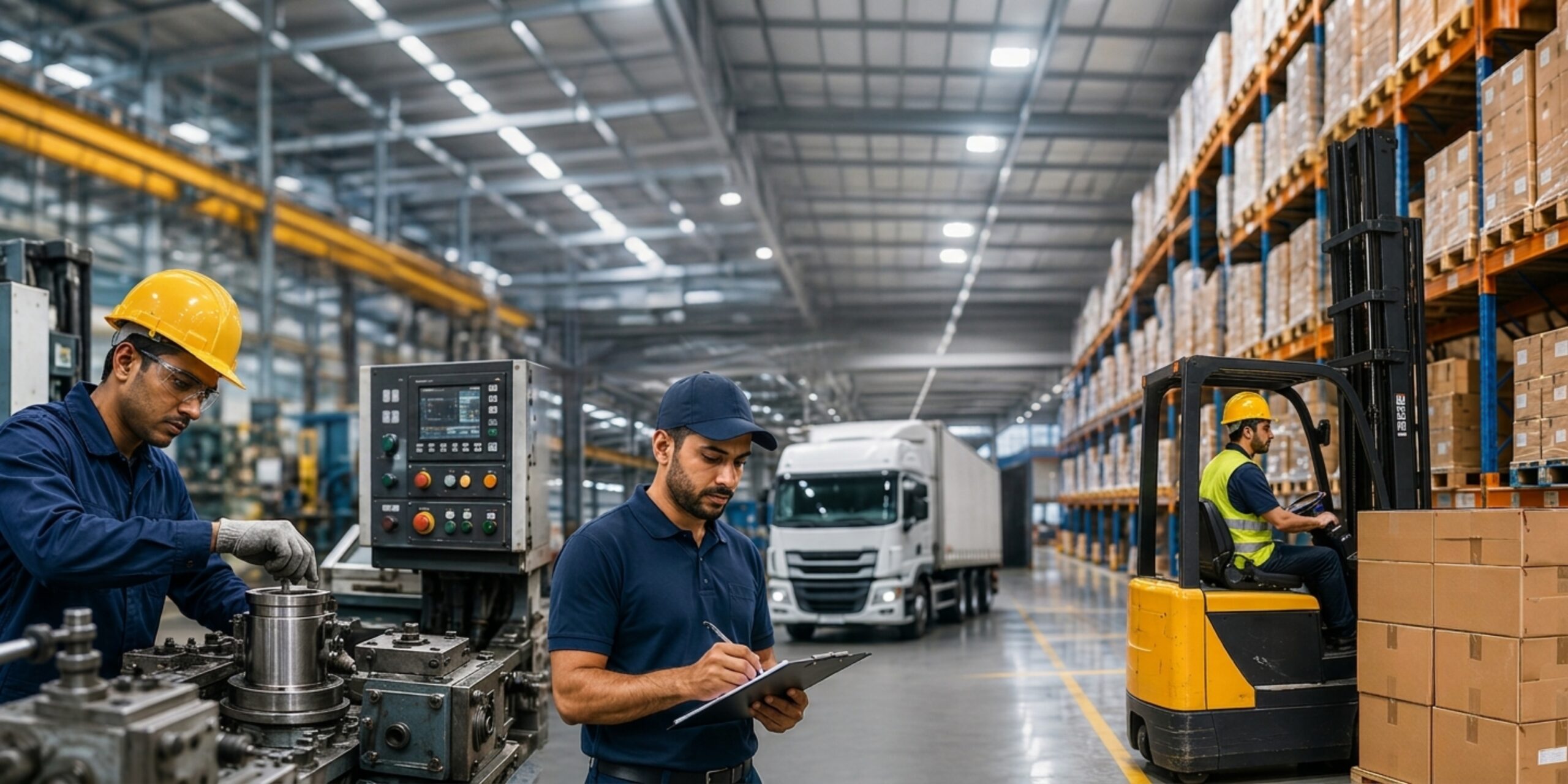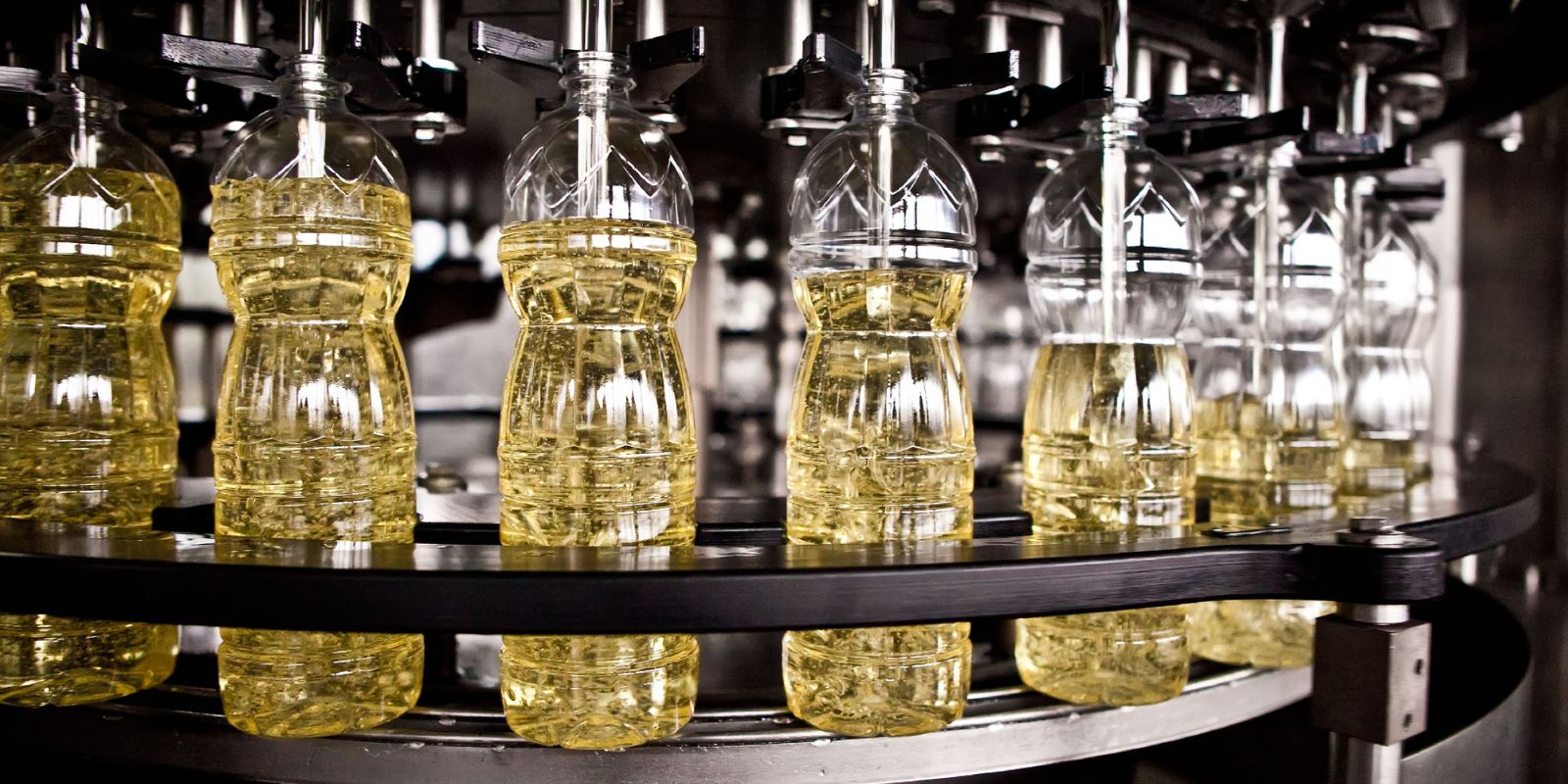
In today’s competitive manufacturing landscape, organizations are constantly seeking ways to improve productivity, reduce operational costs, and maintain high-quality output. One of the most critical drivers of success in this environment is the implementation of effective production staffing models. These models ensure that the right number of skilled workers are available at the right time, enabling smooth operations and optimal efficiency.
Production staffing models go beyond simple headcount planning. They involve strategic alignment of workforce capabilities with production demands, technological advancements, and business goals. When designed and implemented correctly, these models can significantly enhance operational efficiency, minimize downtime, and improve overall profitability.
Understanding Production Staffing Models
Production staffing models refer to structured approaches used by organizations to determine workforce requirements based on production needs. These models consider various factors such as production volume, shift patterns, skill requirements, and seasonal fluctuations.
The primary objective of a staffing model is to balance labor supply with production demand. This ensures that there is neither overstaffing, which increases labor costs, nor understaffing, which leads to delays and reduced productivity.
Types of Production Staffing Models
Different organizations adopt different staffing models depending on their operational needs and industry requirements. Some of the most commonly used production staffing models include:
1. Fixed Staffing Model
In this model, a constant number of employees is maintained regardless of production fluctuations. It is suitable for industries with stable demand and predictable production schedules. While it ensures consistency, it may lead to inefficiencies during periods of low demand.
2. Flexible Staffing Model
A flexible staffing model allows organizations to adjust their workforce based on production requirements. This can involve hiring temporary workers, using contract staff, or reallocating internal resources. It helps in managing demand variability and controlling labor costs.
3. Lean Staffing Model
Lean staffing focuses on minimizing waste and maximizing productivity. It involves maintaining a minimal workforce while ensuring high efficiency through process optimization and employee multi-skilling. This model is widely used in modern manufacturing environments.
4. Shift-Based Staffing Model
This model organizes employees into different shifts to ensure continuous production. It is ideal for industries that require 24/7 operations. Proper shift planning is essential to avoid employee fatigue and maintain productivity levels.
5. Skill-Based Staffing Model
In this approach, employees are assigned roles based on their skills and expertise. Cross-training is often encouraged to create a versatile workforce capable of handling multiple tasks. This enhances flexibility and reduces dependency on specific individuals.
Key Benefits of Efficient Staffing Models
Implementing the right production staffing model offers numerous advantages:
Improved Productivity
Efficient staffing ensures that all production processes are adequately supported, reducing bottlenecks and improving output.
Cost Optimization
By aligning workforce levels with production needs, organizations can avoid unnecessary labor costs and improve financial performance.
Enhanced Flexibility
Flexible staffing models allow companies to quickly respond to changes in demand, ensuring continuity in operations.
Better Employee Utilization
Proper staffing ensures that employees are neither overburdened nor underutilized, leading to improved job satisfaction and performance.
Reduced Downtime
With the right number of skilled workers available, production disruptions can be minimized, ensuring smooth operations.
Factors Influencing Production Staffing Models
Several factors must be considered when designing an effective staffing model:
Production Volume
The number of units to be produced directly impacts workforce requirements. Higher production volumes require more workers or extended shifts.
Technology and Automation
The level of automation in a facility influences staffing needs. Advanced machinery may reduce the need for manual labor but require skilled operators.
Skill Requirements
Different production processes require different skill sets. Ensuring the availability of skilled workers is essential for maintaining quality and efficiency.
Demand Variability
Seasonal or unpredictable demand patterns require flexible staffing solutions to adapt quickly.
Labor Regulations
Compliance with labor laws and regulations is critical when designing staffing models, especially regarding working hours and employee benefits.
Strategies for Optimizing Production Staffing
To achieve maximum efficiency, organizations should adopt the following strategies:
Workforce Planning
Effective workforce planning involves forecasting production needs and aligning staffing levels accordingly. This helps in avoiding last-minute hiring or layoffs.
Cross-Training Employees
Training employees to perform multiple roles increases workforce flexibility and reduces dependency on specific individuals.
Leveraging Technology
Using workforce management software can help in scheduling, tracking performance, and optimizing staffing levels.
Performance Monitoring
Regularly evaluating employee performance helps in identifying inefficiencies and areas for improvement.
Continuous Improvement
Adopting a culture of continuous improvement ensures that staffing models evolve with changing business needs.
Challenges in Production Staffing
Despite their benefits, implementing production staffing models comes with challenges:
Skill Shortages
Finding and retaining skilled workers can be difficult, especially in specialized industries.
Demand Uncertainty
Unpredictable market conditions can make it challenging to maintain the right staffing levels.
Employee Turnover
High attrition rates can disrupt staffing plans and affect productivity.
Resistance to Change
Employees may resist changes in staffing models, especially when it involves new roles or shift patterns.
Role of Data in Staffing Optimization
Data plays a crucial role in designing and managing production staffing models. By analyzing historical production data, organizations can identify patterns and make informed decisions.
Key data points include:
- Production output
- Employee performance metrics
- Absenteeism rates
- Overtime hours
- Equipment utilization
Using data analytics, companies can predict staffing needs, optimize schedules, and improve overall efficiency.
Future Trends in Production Staffing
The future of production staffing is being shaped by technological advancements and changing workforce dynamics. Some emerging trends include:
Automation and AI Integration
Automation is reducing the need for manual labor while increasing demand for skilled technicians and engineers.
Gig Workforce
The use of freelance and contract workers is becoming more common, providing flexibility and cost savings.
Remote Monitoring
With advanced technologies, supervisors can monitor production processes remotely, reducing the need for on-site staff.
Employee Well-being Focus
Organizations are increasingly prioritizing employee well-being by implementing balanced shift schedules and providing better working conditions.
Conclusion
Production staffing models are a vital component of operational efficiency in manufacturing and production environments. By carefully designing and implementing the right staffing strategies, organizations can achieve a balance between productivity, cost, and employee satisfaction.
Efficient staffing is not a one-time effort but an ongoing process that requires continuous evaluation and adaptation. With the right approach, businesses can build a resilient workforce capable of meeting evolving production demands and driving long-term success.