Introduction
In an increasingly competitive global market, industrial organizations are under constant pressure to improve productivity while maintaining quality and controlling costs. Whether in manufacturing, logistics, construction, or energy sectors, the workforce remains one of the most valuable assets driving operational success. However, managing this workforce efficiently is often complex due to evolving technologies, skill shortages, and fluctuating demand.
Industrial workforce solutions provide a structured and strategic approach to overcoming these challenges. By integrating workforce planning, advanced technologies, and employee development strategies, businesses can significantly enhance productivity and operational performance.
This article explores how industrial workforce solutions contribute to productivity, key components of these solutions, their benefits, challenges, and future trends shaping the industrial sector.
What Are Industrial Workforce Solutions?
Industrial workforce solutions refer to a combination of tools, technologies, and strategies designed to optimize workforce performance in industrial environments. These solutions aim to align workforce capabilities with organizational goals, ensuring maximum efficiency and output.
They encompass several critical areas, including workforce planning, recruitment, training, performance management, and automation. By addressing each of these areas, organizations can build a workforce that is not only skilled but also adaptable and efficient.
In today’s digital era, workforce solutions are increasingly powered by technologies such as artificial intelligence, data analytics, and cloud-based platforms. These innovations enable real-time decision-making and enhance the ability to respond to changing operational demands.
Why Workforce Productivity Matters in Industry
Productivity is a key driver of profitability and competitiveness in industrial sectors. Higher productivity means more output with fewer resources, reduced operational costs, and improved customer satisfaction.
However, achieving consistent productivity is not easy. Many organizations face challenges such as:
- Shortage of skilled labor
- High employee turnover
- Inefficient scheduling and workforce allocation
- Lack of real-time performance insights
- Increasing complexity of operations
Industrial workforce solutions address these challenges by providing a systematic approach to workforce management. They ensure that the right people are in the right roles at the right time, enabling smoother operations and better outcomes.
Key Components of Industrial Workforce Solutions
1. Workforce Planning and Forecasting
Effective workforce planning is the foundation of productivity. It involves analyzing current workforce capabilities and predicting future requirements based on business goals and market trends.
Forecasting tools use historical data and predictive analytics to determine staffing needs. This helps organizations avoid overstaffing or understaffing, both of which can negatively impact productivity.
2. Smart Recruitment and Talent Acquisition
Hiring the right talent is critical to building a productive workforce. Industrial workforce solutions incorporate advanced recruitment techniques such as AI-based screening, skill assessments, and data-driven hiring decisions.
These methods ensure that organizations select candidates who not only meet technical requirements but also fit the organizational culture. As a result, employee retention improves, and productivity increases.
3. Employee Training and Development
Continuous learning is essential in industrial environments where technologies and processes are constantly evolving. Training programs help employees acquire new skills, improve existing ones, and adapt to technological changes.
Key areas of training include:
- Technical and operational skills
- Safety and compliance
- Digital literacy
- Process improvement techniques
A well-trained workforce is more confident, efficient, and capable of delivering high-quality results.
4. Automation and Digital Integration
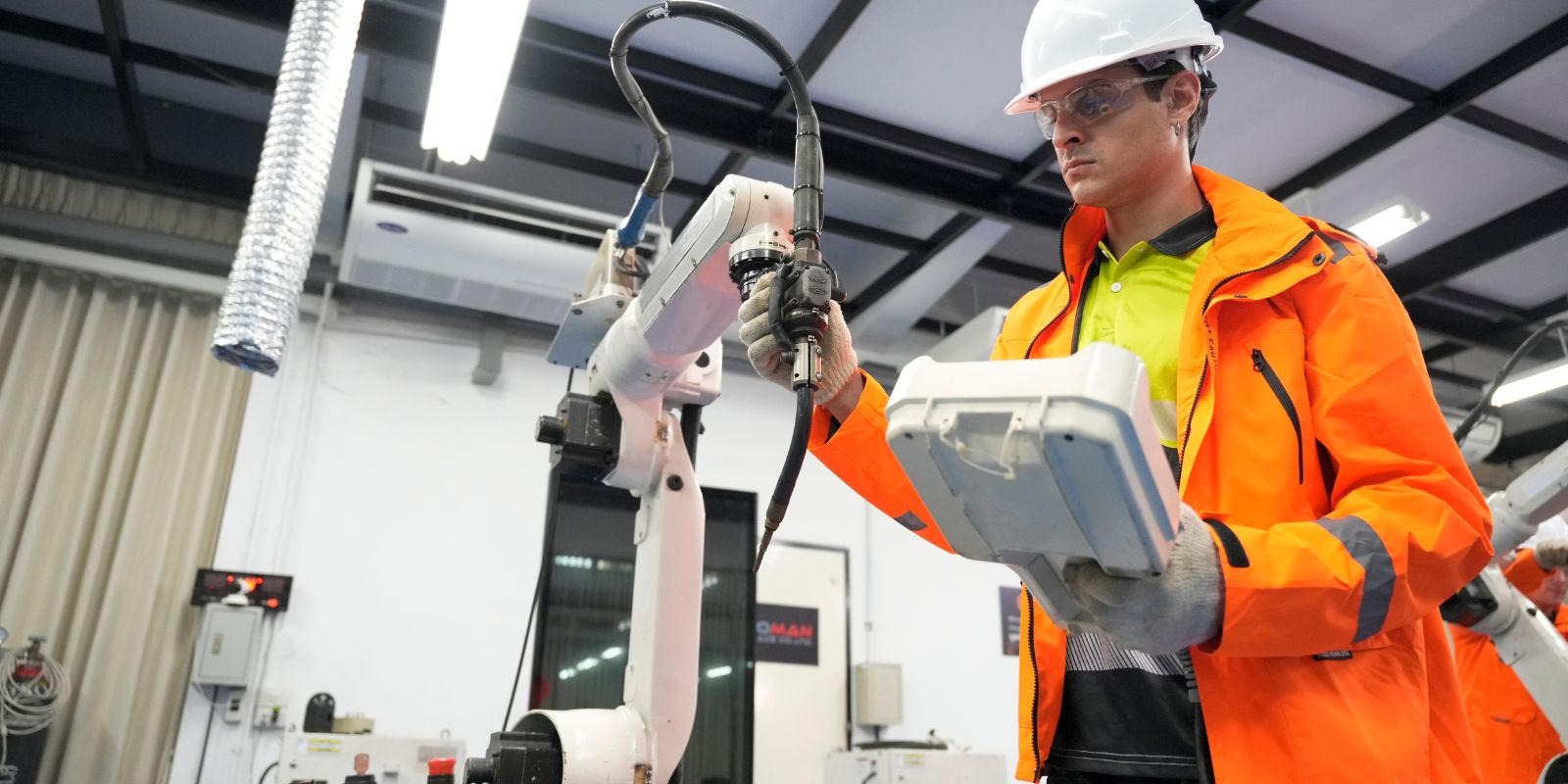
Automation is transforming industrial operations by reducing manual effort and improving accuracy. Workforce solutions integrate automation tools such as robotics, IoT devices, and AI-driven systems to streamline processes.
Examples include:
- Automated scheduling systems
- Real-time workforce tracking
- Predictive maintenance tools
These technologies not only enhance efficiency but also allow employees to focus on more strategic and value-added tasks.
5. Performance Management and Analytics
Monitoring and evaluating workforce performance is crucial for continuous improvement. Industrial workforce solutions provide real-time insights into employee productivity through dashboards and analytics tools.
Managers can track key performance indicators (KPIs), identify inefficiencies, and implement corrective measures. This data-driven approach ensures accountability and drives better performance outcomes.
Benefits of Industrial Workforce Solutions
1. Enhanced Operational Efficiency
By optimizing workforce allocation and eliminating inefficiencies, organizations can achieve higher productivity levels. Processes become smoother, and output increases without additional resource investment.
2. Cost Optimization
Workforce solutions help reduce costs by minimizing overtime, improving scheduling, and reducing employee turnover. Efficient workforce management leads to better resource utilization and lower operational expenses.
3. Improved Employee Engagement
Engaged employees are more productive and committed to their work. Workforce solutions that focus on training, fair evaluation, and career growth contribute to higher employee satisfaction.
4. Scalability and Flexibility
Industrial operations often experience fluctuations in demand. Workforce solutions enable organizations to scale their workforce up or down as needed, ensuring optimal productivity at all times.
5. Better Decision-Making
Data-driven insights provide managers with the information needed to make informed decisions. This leads to improved planning, better resource allocation, and enhanced operational performance.
Challenges in Implementing Workforce Solutions
While industrial workforce solutions offer numerous benefits, organizations may face certain challenges during implementation:
1. Resistance to Change
Employees may be hesitant to adopt new technologies or processes, especially if they are unfamiliar with them.
2. High Initial Investment
Implementing advanced workforce solutions often requires significant upfront investment in technology and training.
3. Skill Gaps
Employees may lack the necessary skills to effectively use new systems, requiring additional training and development.
4. Data Management Complexity
Managing large volumes of workforce data can be challenging without proper systems and expertise.
Strategies for Successful Implementation
To overcome these challenges, organizations should adopt the following strategies:
1. Gradual Implementation
Introducing workforce solutions in phases allows employees to adapt more easily and reduces operational disruptions.
2. Focus on Training
Providing comprehensive training ensures that employees are equipped to use new technologies effectively.
3. Encourage Employee Involvement
Engaging employees in the implementation process fosters acceptance and reduces resistance.
4. Leverage Technology Partners
Collaborating with experienced workforce solution providers can simplify implementation and ensure better outcomes.
5. Utilize Data Effectively
Organizations should invest in analytics tools to gain actionable insights and continuously improve workforce performance.
Future Trends in Industrial Workforce Solutions
The future of industrial workforce solutions is shaped by rapid technological advancements and changing workforce dynamics. Key trends include:
1. AI-Driven Workforce Management
Artificial intelligence will play a major role in recruitment, scheduling, and performance analysis, enabling smarter decision-making.
2. Predictive Analytics
Organizations will increasingly use predictive analytics to anticipate workforce needs and address potential challenges proactively.
3. Remote Monitoring and Management
With the rise of digital tools, remote workforce monitoring will become more prevalent, improving flexibility and efficiency.
4. Focus on Employee Well-Being
Companies are recognizing the importance of employee well-being in driving productivity. Initiatives focused on health, safety, and work-life balance will become more common.
Conclusion
Industrial workforce solutions are essential for organizations aiming to improve productivity and achieve sustainable growth. By integrating strategic workforce planning, advanced technologies, and employee development initiatives, businesses can optimize their operations and stay competitive in a dynamic market.
Investing in workforce solutions is not just about enhancing efficiency—it is about building a resilient and future-ready workforce. As industries continue to evolve, organizations that prioritize workforce optimization will be better positioned to navigate challenges and seize new opportunities.