
Introduction
Employee retention has become one of the most critical challenges for organizations across industries. High turnover not only disrupts operations but also increases recruitment costs, reduces productivity, and negatively impacts workplace morale. While many companies focus on retention strategies such as employee engagement programs and compensation packages, they often overlook one fundamental factor—hiring practices.
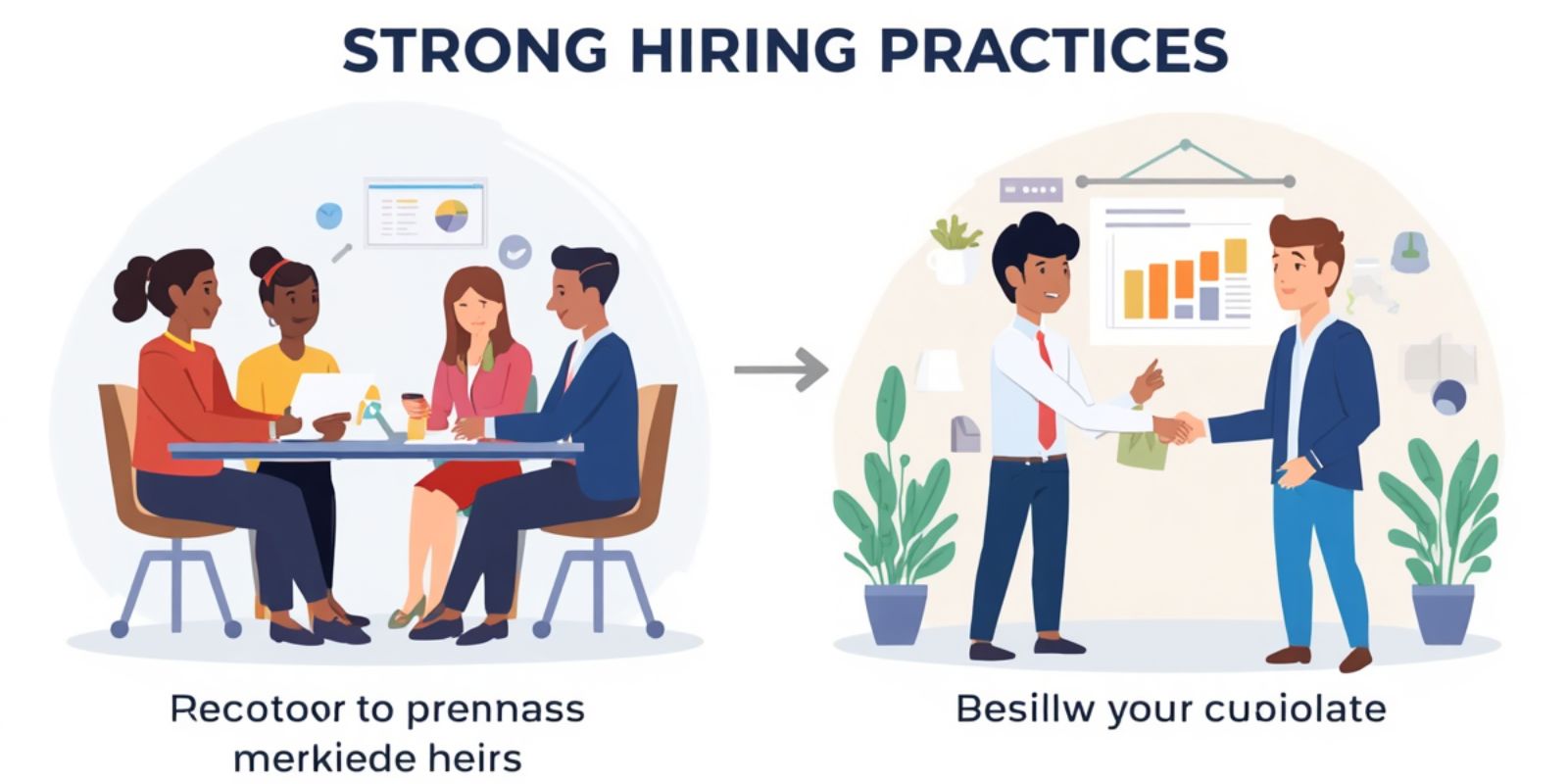
Strong hiring practices lay the foundation for long-term employee retention. When organizations invest time and effort in selecting the right candidates, they significantly reduce the risk of early attrition. Hiring is not just about filling positions; it is about ensuring alignment between the candidate’s skills, values, and the company’s culture.
This article explores how strong hiring practices improve retention and why organizations must prioritize quality over speed in recruitment.
The Link Between Hiring and Retention
Retention begins the moment a candidate applies for a job. A well-structured hiring process ensures that only the most suitable candidates are selected. When there is a mismatch between job expectations and employee capabilities, dissatisfaction arises, often leading to early resignation.
Strong hiring practices ensure:
- Better role clarity
- Cultural alignment
- Realistic job expectations
- Long-term commitment
Employees who clearly understand their roles and feel aligned with the company’s values are more likely to stay longer and contribute effectively.
Key Elements of Strong Hiring Practices
1. Clear Job Descriptions
A detailed and accurate job description is the first step in attracting the right candidates. It should include:
- Roles and responsibilities
- Required skills and qualifications
- Work environment expectations
- Growth opportunities
Clear communication helps candidates assess whether the role is a good fit, reducing the chances of mismatched expectations.
2. Structured Interview Process
Unstructured interviews often lead to biased hiring decisions. A structured approach ensures consistency and fairness.
Best practices include:
- Standardized interview questions
- Behavioral and situational assessments
- Multiple interview rounds with different stakeholders
This approach helps evaluate candidates thoroughly and improves hiring accuracy.
3. Cultural Fit Assessment
Technical skills alone do not guarantee long-term success. Cultural alignment plays a crucial role in retention.
Organizations should assess:
- Work ethics
- Communication style
- Team collaboration abilities
- Adaptability to company values
Employees who align with the company culture are more engaged and less likely to leave.
4. Skills and Competency Evaluation
Proper assessment of a candidate’s skills ensures they can perform their job effectively.
Methods include:
- Skill-based tests
- Case studies
- Practical assignments
Hiring candidates with the right competencies reduces performance-related stress and increases job satisfaction.
5. Realistic Job Preview
Providing candidates with a realistic understanding of the role helps manage expectations.
This includes:
- Sharing daily responsibilities
- Highlighting challenges
- Explaining performance expectations
When employees know what to expect, they are less likely to feel misled and leave early.
6. Effective Onboarding Process
Hiring does not end with selection. A strong onboarding process ensures smooth integration into the organization.
Key components:
- Orientation programs
- Role-specific training
- Mentorship support
Employees who feel supported from day one are more likely to stay and grow within the company.
Benefits of Strong Hiring Practices for Retention
1. Reduced Employee Turnover
Hiring the right candidates minimizes early attrition. Employees who fit well into their roles are more satisfied and committed.
2. Increased Employee Engagement
When employees feel aligned with their work and the organization, they are more engaged and motivated.
3. Improved Productivity
Employees who possess the right skills and understanding of their roles perform better, contributing to overall organizational success.
4. Lower Recruitment Costs
Frequent hiring due to high turnover increases costs. Strong hiring practices reduce the need for constant recruitment.
5. Stronger Workplace Culture
Hiring individuals who align with company values strengthens the organizational culture and promotes teamwork.
Common Hiring Mistakes That Affect Retention
Even well-established organizations can make hiring mistakes that negatively impact retention.
1. Rushing the Hiring Process
Hiring quickly to fill vacancies often leads to poor decisions. It is better to take time and find the right candidate.
2. Ignoring Cultural Fit
Focusing only on technical skills can result in hiring employees who struggle to adapt to the company environment.
3. Lack of Proper Screening
Skipping background checks or skill assessments increases the risk of hiring unsuitable candidates.
4. Poor Communication
Miscommunication about job roles or expectations leads to dissatisfaction and early exits.
5. Inadequate Onboarding
Employees who do not receive proper support during onboarding may feel lost and disengaged.
Strategies to Strengthen Hiring Practices
1. Use Data-Driven Recruitment
Leverage analytics to identify hiring patterns and improve decision-making. Data can help predict which candidates are more likely to succeed and stay.
2. Invest in Employer Branding
A strong employer brand attracts candidates who align with organizational values, improving retention.
3. Train Hiring Managers
Providing training to hiring managers ensures better evaluation and selection of candidates.
4. Implement Employee Referral Programs
Referred candidates often have a better understanding of the company culture, leading to higher retention rates.
5. Continuous Feedback and Improvement
Regularly review hiring processes and gather feedback from employees to identify areas for improvement.
The Role of Technology in Hiring
Modern recruitment tools and technologies play a significant role in improving hiring practices.
- Applicant Tracking Systems (ATS) streamline recruitment
- AI-based tools enhance candidate screening
- Online assessments improve skill evaluation
Technology helps organizations make more informed hiring decisions, reducing the chances of mismatches.
Future of Hiring and Retention
As workplaces evolve, hiring practices must adapt to changing trends. Remote work, flexible schedules, and diversity initiatives are shaping modern recruitment strategies.
Organizations must focus on:
- Inclusive hiring practices
- Employee well-being
- Career development opportunities
By aligning hiring strategies with future workforce expectations, companies can improve both hiring success and retention.
Conclusion
Strong hiring practices are the foundation of effective employee retention. By focusing on selecting the right candidates, organizations can reduce turnover, improve productivity, and build a positive workplace culture.
Hiring should not be seen as a short-term solution to fill vacancies but as a long-term investment in organizational success. When companies prioritize quality hiring, they create a workforce that is engaged, motivated, and committed.
Ultimately, the key to retention lies in making the right hiring decisions from the very beginning.


