
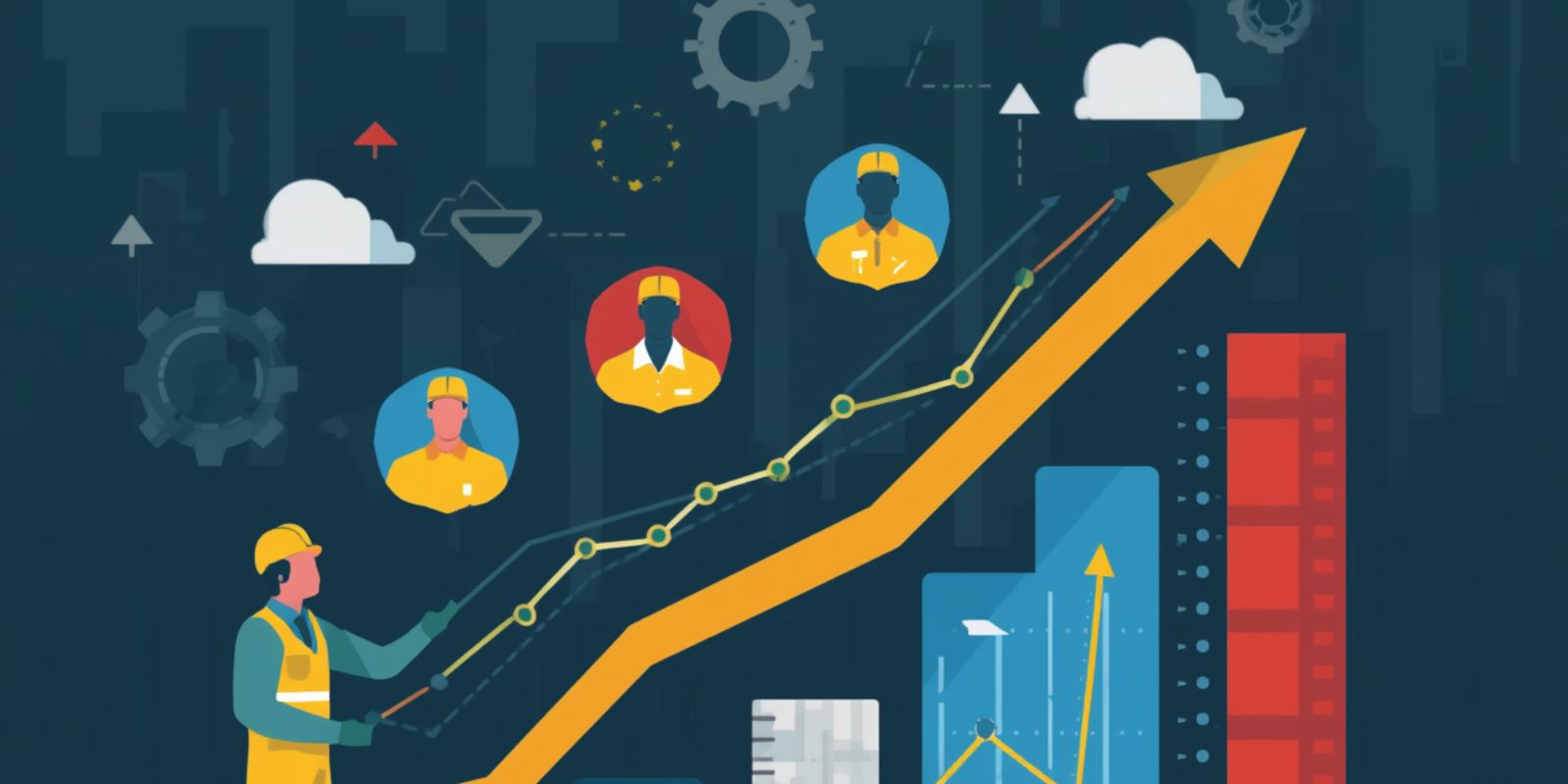
In today’s competitive industrial landscape, manufacturing companies are under constant pressure to scale operations, improve productivity, and adapt to technological advancements. One of the most critical drivers of sustainable growth in this sector is effective talent planning. Manufacturing talent planning is not just about hiring workers—it’s about strategically aligning workforce capabilities with long-term business goals.
A well-structured talent planning strategy ensures that organizations have the right people, with the right skills, at the right time. As industries embrace automation, digital transformation, and global competition, the need for a future-ready workforce has never been greater.
Understanding Manufacturing Talent Planning
Manufacturing talent planning refers to the process of forecasting workforce needs, identifying skill gaps, and developing strategies to recruit, train, and retain employees. It involves a proactive approach rather than reactive hiring.
Unlike traditional workforce planning, modern talent planning integrates technology, analytics, and business strategy. It focuses on both current workforce optimization and future readiness.
Why Talent Planning is Crucial for Manufacturing Growth
1. Addressing Skill Gaps
The manufacturing industry is rapidly evolving with the adoption of advanced technologies such as automation, robotics, and AI. This shift has created a demand for highly skilled workers. Talent planning helps identify these gaps early and prepares the workforce through targeted training programs.
2. Enhancing Productivity
A well-planned workforce ensures that every role is filled with competent individuals, leading to improved efficiency, reduced downtime, and better output quality.
3. Supporting Business Expansion
As manufacturing companies expand into new markets or increase production capacity, talent planning ensures that workforce requirements are met without delays.
4. Reducing Hiring Costs
Strategic planning minimizes last-minute recruitment, which often leads to higher costs and poor hiring decisions.
Key Components of Effective Talent Planning
1. Workforce Analysis
The first step is understanding the current workforce—skills, experience, performance levels, and future potential. This analysis provides a clear picture of existing capabilities.
2. Demand Forecasting
Manufacturers must predict future workforce needs based on production targets, market demand, and technological changes.
3. Skill Development and Training
Upskilling and reskilling employees are essential for keeping pace with industry changes. Training programs should focus on both technical and soft skills.
4. Recruitment Strategy
A strong hiring plan ensures access to skilled talent. This includes partnerships with training institutes, apprenticeship programs, and employer branding.
5. Succession Planning
Identifying and developing future leaders ensures continuity in operations and reduces dependency on external hiring.
Strategies for Manufacturing Talent Planning
1. Embrace Digital Transformation
Technology plays a crucial role in modern talent planning. Workforce management systems, HR analytics, and AI-driven recruitment tools help streamline processes and improve decision-making.
2. Build a Strong Employer Brand
Attracting top talent requires a positive brand image. Companies should highlight their work culture, growth opportunities, and commitment to employee development.
3. Focus on Employee Retention
Retention is as important as recruitment. Offering competitive salaries, career growth opportunities, and a safe work environment helps retain skilled workers.
4. Collaborate with Educational Institutions
Partnerships with technical institutes and universities help create a steady pipeline of skilled talent. Internship and apprenticeship programs are particularly effective.
5. Promote Diversity and Inclusion
A diverse workforce brings innovation and creativity. Inclusive hiring practices also improve employee satisfaction and organizational reputation.
Challenges in Manufacturing Talent Planning
1. Talent Shortage
One of the biggest challenges is the shortage of skilled workers, especially in specialized roles.
2. Rapid Technological Changes
Keeping up with technological advancements requires continuous training and adaptation.
3. High Attrition Rates
Manufacturing jobs often face high turnover, which disrupts operations and increases costs.
4. Aging Workforce
Many experienced workers are nearing retirement, creating a knowledge gap that must be addressed through succession planning.
Role of Leadership in Talent Planning
Leadership plays a vital role in driving talent planning initiatives. Leaders must align workforce strategies with business objectives and foster a culture of continuous learning.
They should also encourage innovation, support employee development, and ensure effective communication across all levels of the organization.
Leveraging Data and Analytics
Data-driven decision-making is transforming talent planning in manufacturing. HR analytics can provide insights into employee performance, turnover trends, and skill gaps.
Predictive analytics helps forecast future workforce needs and identify potential challenges before they arise. This enables organizations to take proactive measures and stay ahead of the competition.
Importance of Upskilling and Reskilling
As automation and digitalization reshape manufacturing processes, traditional roles are evolving. Upskilling and reskilling programs ensure that employees remain relevant and capable of handling new technologies.
Companies should invest in continuous learning platforms, on-the-job training, and certification programs to build a future-ready workforce.
Building a Flexible Workforce
Flexibility is key to managing fluctuations in demand. Manufacturers can benefit from a mix of permanent, temporary, and contract workers.
This approach allows organizations to scale operations efficiently while maintaining cost control.
The Future of Manufacturing Talent Planning
The future of manufacturing talent planning lies in adaptability and innovation. Emerging trends include:
- Increased use of AI in recruitment and workforce management
- Greater emphasis on employee experience
- Expansion of remote and hybrid work models in certain roles
- Integration of sustainability and ethical practices in workforce strategies
Organizations that embrace these trends will be better positioned to achieve long-term growth.
Conclusion
Manufacturing talent planning is a critical component of business success. It goes beyond hiring to encompass workforce development, strategic alignment, and future readiness.
By investing in talent planning, manufacturers can overcome skill shortages, improve productivity, and drive sustainable growth. In an industry where efficiency and innovation are key, having the right workforce strategy can make all the difference.


