
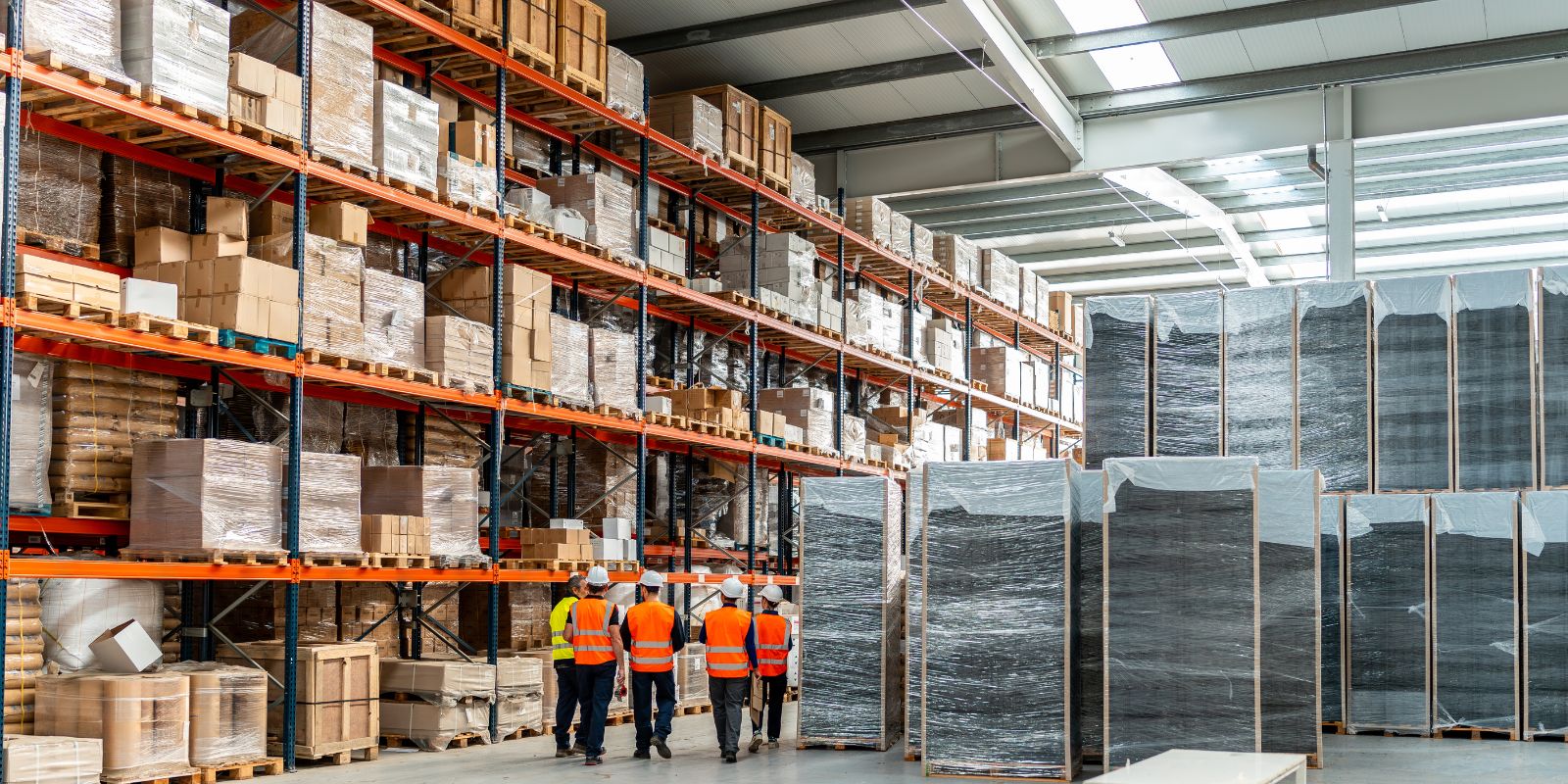
Retail businesses operate in a highly competitive environment where product visibility, customer engagement, and efficient store operations determine success. One of the most critical factors behind a successful retail store is an effective merchandising workforce. Merchandising teams ensure that products are displayed properly, inventory is organized, and customers have a seamless shopping experience. Without a well-trained merchandising workforce, retail operations can quickly become inefficient, leading to lost sales and poor customer satisfaction.
In modern retail environments, merchandising is no longer limited to simply placing products on shelves. It has evolved into a strategic function that combines product presentation, data-driven decision-making, and customer behavior analysis. Retailers who invest in skilled merchandising staff gain a competitive advantage by improving store layout, enhancing product visibility, and increasing overall sales performance.
Understanding the Role of Merchandising in Retail
Merchandising in retail refers to the process of presenting products in a way that encourages customers to purchase them. This involves organizing store shelves, creating attractive displays, managing product stock, and ensuring the store layout aligns with customer buying patterns.
A merchandising workforce typically includes merchandisers, visual merchandisers, shelf stockers, and store support staff. Each role contributes to ensuring that retail stores operate smoothly and efficiently. These professionals work behind the scenes and on the shop floor to maintain product availability and create an appealing shopping environment.
Retail merchandising teams are responsible for implementing brand guidelines, ensuring promotional displays are correctly executed, and maintaining product placement strategies. Their efforts directly influence customer perception and purchasing decisions.
Importance of a Strong Merchandising Workforce
A strong merchandising workforce plays a vital role in the overall success of retail operations. Retail stores rely on merchandisers to maintain product visibility and ensure shelves are always stocked with the right items.
One of the key benefits of having a dedicated merchandising workforce is improved product presentation. Customers are more likely to purchase products that are clearly visible and attractively displayed. When products are arranged strategically, they capture customer attention and encourage impulse buying.
Another important advantage is improved inventory management. Merchandisers monitor stock levels and coordinate with supply chain teams to ensure products are replenished on time. This helps retailers avoid stockouts and maintain consistent product availability.
A well-organized merchandising workforce also improves store efficiency. With trained staff handling product displays, inventory tracking, and promotional setups, store managers can focus on strategic business operations and customer engagement.
Key Responsibilities of Merchandising Staff
Merchandising staff perform a wide range of responsibilities that support retail operations. Their work ensures that retail stores remain organized, attractive, and customer-friendly.
One of their primary responsibilities is shelf management. Merchandisers ensure products are placed correctly according to store layout plans and brand guidelines. They regularly check shelves to ensure products are properly aligned and displayed.
Visual merchandising is another important responsibility. Visual merchandisers design attractive displays that highlight new products, promotions, and seasonal collections. These displays play a significant role in influencing customer buying behavior.
Stock monitoring is also a key part of merchandising operations. Merchandising staff track product availability and communicate with warehouse or supply chain teams when replenishment is required. This ensures that popular products remain available for customers.
Merchandisers also support promotional campaigns. During sales events, festivals, or product launches, they set up promotional displays and ensure marketing materials are placed correctly across the store.
Skills Required for Retail Merchandising Workforce
An effective merchandising workforce requires a combination of technical skills, creativity, and operational knowledge. Retailers must ensure that merchandising staff are properly trained to perform their roles efficiently.
One important skill is attention to detail. Merchandisers must carefully arrange products, check price labels, and ensure store displays match brand guidelines. Even small mistakes in product placement can affect customer perception.
Communication skills are also essential. Merchandising staff frequently coordinate with store managers, inventory teams, and brand representatives. Clear communication ensures smooth store operations and timely product replenishment.
Time management is another important skill. Retail stores operate on strict schedules, especially during promotional campaigns. Merchandisers must complete display setups, restocking, and store checks within limited timeframes.
Creativity is particularly important for visual merchandisers. They must design displays that attract customers and highlight key products. Creative product presentation can significantly influence purchasing decisions.
Benefits of Professional Merchandising Workforce Solutions
Many retail companies choose to partner with professional staffing providers to manage their merchandising workforce. Outsourcing merchandising services allows retailers to focus on core business operations while ensuring their stores remain well-managed.
One major benefit is access to trained professionals. Staffing providers recruit and train merchandising staff who understand retail operations and brand guidelines. This reduces the time and effort retailers spend on hiring and training employees.
Flexibility is another advantage. Retail demand often fluctuates during festivals, seasonal sales, and promotional events. Staffing partners can quickly provide additional merchandising staff to handle increased workload during peak periods.
Cost efficiency is also an important factor. Managing a full-time merchandising workforce can be expensive. Outsourcing staffing allows retailers to optimize workforce costs while maintaining operational efficiency.
Professional staffing partners also ensure compliance with labor regulations and payroll management. This reduces administrative burden and allows retailers to focus on improving customer experience.
Technology and Modern Merchandising Practices
Technology is transforming retail merchandising in significant ways. Modern retailers use digital tools to track product performance, analyze customer behavior, and optimize store layouts.
Merchandising staff often use mobile applications to update product availability, record shelf conditions, and capture store display images. These tools allow managers to monitor store operations in real time.
Data analytics also plays a major role in merchandising strategies. Retailers analyze sales data to determine which products should be placed in high-visibility areas. Merchandisers implement these strategies to maximize product exposure.
Digital shelf management systems are becoming increasingly popular. These systems help retailers monitor inventory levels and automatically notify staff when restocking is required.
Technology also improves communication between merchandising teams and management. Real-time updates allow retailers to make quick decisions and respond to changing customer demand.
Challenges in Managing Merchandising Workforce
While merchandising plays a crucial role in retail success, managing a merchandising workforce can present several challenges.
One common challenge is staff availability. Retail stores often require merchandising support during early morning or late-night hours when shelves need to be restocked. Finding reliable staff for these shifts can be difficult.
High employee turnover is another challenge. Retail jobs often experience frequent workforce changes, which can disrupt store operations and require constant training of new staff.
Maintaining consistent brand standards across multiple store locations is also a challenge for large retailers. Merchandising teams must ensure that product displays remain consistent and follow brand guidelines in every store.
To overcome these challenges, retailers must invest in training programs and adopt structured workforce management strategies.
Future of Merchandising Workforce in Retail
The future of retail merchandising is evolving with advancements in technology and changing consumer behavior. Retailers are increasingly adopting data-driven merchandising strategies to improve product placement and store design.
Automation and smart retail systems will continue to influence merchandising practices. However, human expertise will remain essential for creating engaging store displays and managing in-store operations.
Retailers will also focus on building specialized merchandising teams with expertise in visual merchandising, product analytics, and store layout optimization.
Training and upskilling will become more important as merchandising roles evolve to include digital tools and analytics platforms. Retail companies that invest in skilled merchandising staff will be better positioned to compete in the rapidly changing retail market.
Conclusion
A strong merchandising workforce is essential for successful retail operations. From product placement and shelf management to promotional displays and inventory monitoring, merchandising teams play a critical role in enhancing customer experience and driving sales.
Retailers who invest in skilled merchandising professionals can improve store efficiency, maintain brand standards, and maximize product visibility. As retail continues to evolve, the importance of a well-trained and strategically managed merchandising workforce will only continue to grow.
By adopting modern technology, implementing effective staffing strategies, and focusing on workforce training, retailers can build a merchandising team that supports long-term business growth and delivers exceptional in-store experiences for customers.


