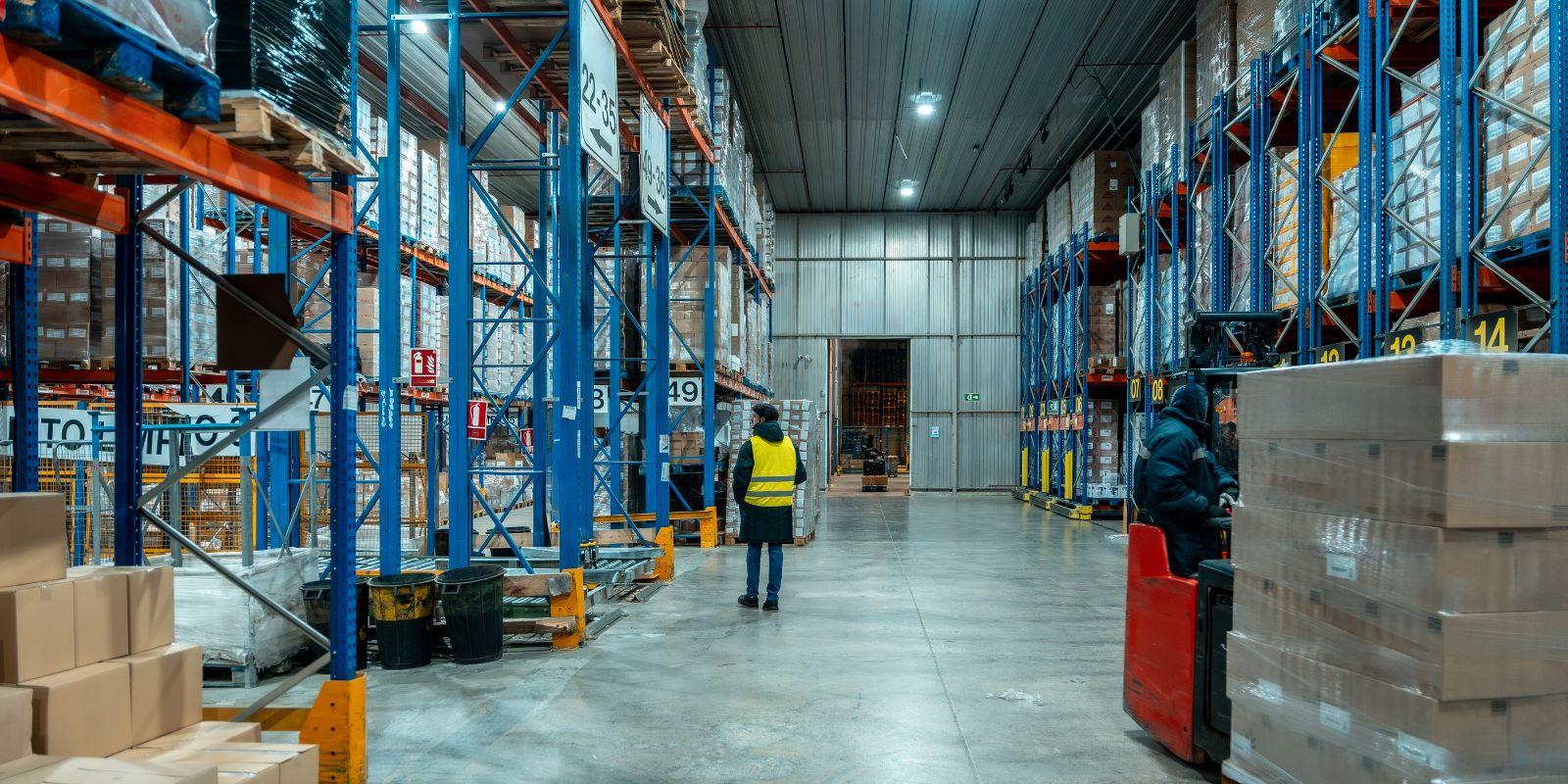
Warehouses are the backbone of modern supply chains. From storing raw materials to shipping finished products, warehouses ensure goods move smoothly from manufacturers to customers. However, even the most advanced warehouse facilities cannot operate effectively without the right workforce. This is where warehouse staffing for efficient operations becomes essential.
Efficient warehouse staffing ensures that businesses maintain productivity, accuracy, and speed in daily operations. With the growth of e-commerce, logistics, and manufacturing sectors, the demand for skilled warehouse staff has increased significantly. Companies must focus on hiring, training, and managing the right talent to keep operations running smoothly.
In this article, we explore why warehouse staffing matters, the key roles involved, challenges faced by businesses, and strategies to build an efficient warehouse workforce.
Importance of Warehouse Staffing
Warehouse staffing directly impacts operational efficiency, order accuracy, and customer satisfaction. A well-staffed warehouse can manage inventory effectively, process orders quickly, and reduce operational delays.
Here are some reasons why proper warehouse staffing is important:
1. Improved Productivity
When the right number of workers are assigned to the right tasks, warehouse operations run smoothly. Employees can handle inventory, packaging, and shipping tasks efficiently, improving overall productivity.
2. Faster Order Fulfillment
Customers today expect quick delivery. A properly staffed warehouse ensures orders are picked, packed, and shipped quickly without delays.
3. Reduced Operational Errors
Trained warehouse staff help reduce mistakes such as incorrect shipments, inventory miscounts, and damaged goods.
4. Better Inventory Management
Warehouse workers play a critical role in tracking stock levels, managing storage systems, and ensuring goods are stored safely.
5. Enhanced Workplace Safety
Proper staffing prevents overworking employees and reduces workplace accidents caused by fatigue or rushed operations.
Key Warehouse Staffing Roles
To achieve efficient warehouse operations, businesses must hire employees for specific roles. Each position contributes to smooth workflow and productivity.
Warehouse Manager
The warehouse manager oversees the entire facility, including staff supervision, inventory management, and operational planning. They ensure that daily tasks are completed efficiently.
Inventory Control Specialist
Inventory specialists track stock levels, monitor product movement, and maintain accurate inventory records.
Forklift Operator
Forklift operators handle heavy goods and move products across the warehouse safely. They play a vital role in large warehouse environments.
Picker and Packer
Pickers locate products in storage areas and prepare them for packing. Packers ensure items are properly packaged and ready for shipping.
Shipping and Receiving Staff
These employees handle incoming deliveries and outgoing shipments. They inspect goods, verify quantities, and update inventory records.
Quality Control Staff
Quality control personnel inspect goods for damage or defects before they are shipped to customers.
Each role is essential to maintaining operational efficiency and reducing workflow disruptions.
Challenges in Warehouse Staffing
Despite its importance, warehouse staffing presents several challenges for businesses.
High Employee Turnover
Warehouse jobs often involve physical labor and repetitive tasks, leading to higher turnover rates.
Seasonal Demand Fluctuations
Industries such as e-commerce experience sudden spikes in demand during holidays or promotional periods, requiring additional staff.
Skill Shortages
Operating warehouse equipment such as forklifts or automated systems requires trained personnel.
Workforce Management
Coordinating shifts, managing schedules, and maintaining productivity can be difficult without effective workforce planning.
Safety Concerns
Warehouses involve heavy machinery and equipment, making safety training essential.
Addressing these challenges requires strategic staffing solutions and workforce management practices.
Strategies for Efficient Warehouse Staffing
Businesses can improve warehouse efficiency by implementing effective staffing strategies.
1. Partner With Staffing Agencies
Staffing agencies help companies quickly hire skilled warehouse workers. They also provide temporary staff during peak seasons.
2. Use Workforce Planning Tools
Technology can help managers predict staffing needs based on order volumes and operational requirements.
3. Provide Proper Training
Training programs ensure employees understand warehouse procedures, safety guidelines, and equipment handling.
4. Implement Flexible Staffing Models
Using temporary, contract, and part-time workers helps businesses adapt to changing workloads.
5. Focus on Employee Retention
Providing fair wages, career growth opportunities, and safe working conditions helps retain skilled workers.
6. Use Automation With Skilled Workforce
Automation tools such as warehouse management systems can improve productivity, but skilled employees are still required to operate and manage these technologies.
Benefits of Professional Warehouse Staffing Solutions
Many companies choose professional staffing providers to handle their warehouse hiring needs. These solutions offer several advantages:
Access to Skilled Talent
Staffing providers maintain databases of trained warehouse workers ready to join operations quickly.
Faster Hiring Process
Recruitment agencies reduce hiring time by screening and selecting qualified candidates.
Scalability
Companies can increase or decrease their workforce based on demand.
Reduced HR Workload
Staffing agencies handle recruitment, onboarding, and payroll tasks, allowing companies to focus on core operations.
Compliance and Safety
Professional staffing firms ensure workers follow labor laws and safety regulations.
Technology and Warehouse Workforce
Technology plays a growing role in modern warehouse operations. Warehouse management systems, barcode scanners, and automated storage solutions require trained staff to operate effectively.
Warehouse workers today must adapt to digital tools and technology-driven workflows. Training employees to work with advanced systems improves productivity and operational accuracy.
Companies that combine skilled staffing with advanced technology gain a competitive advantage in logistics and supply chain management.
Building a Future-Ready Warehouse Workforce
The future of warehouse operations will depend heavily on workforce efficiency and adaptability. Businesses must invest in hiring skilled workers, improving training programs, and adopting new technologies.
Organizations should also focus on creating a positive work environment where employees feel valued and motivated. Providing career growth opportunities and fair compensation encourages long-term workforce stability.
Additionally, businesses should develop workforce strategies that balance automation with human expertise. While technology enhances productivity, skilled workers remain essential for decision-making, quality control, and operational management.
Conclusion
Warehouse staffing is a critical factor in achieving efficient operations. From inventory management to order fulfillment, every warehouse task relies on skilled workers who ensure processes run smoothly.
Businesses that invest in effective warehouse staffing strategies can improve productivity, reduce operational errors, and meet growing customer demands. By hiring the right talent, providing proper training, and using flexible staffing solutions, companies can build a strong workforce that supports long-term success.
In an increasingly competitive logistics landscape, warehouse staffing for efficient operations is not just a necessity—it is a strategic advantage that helps businesses maintain efficiency, reliability, and customer satisfaction.