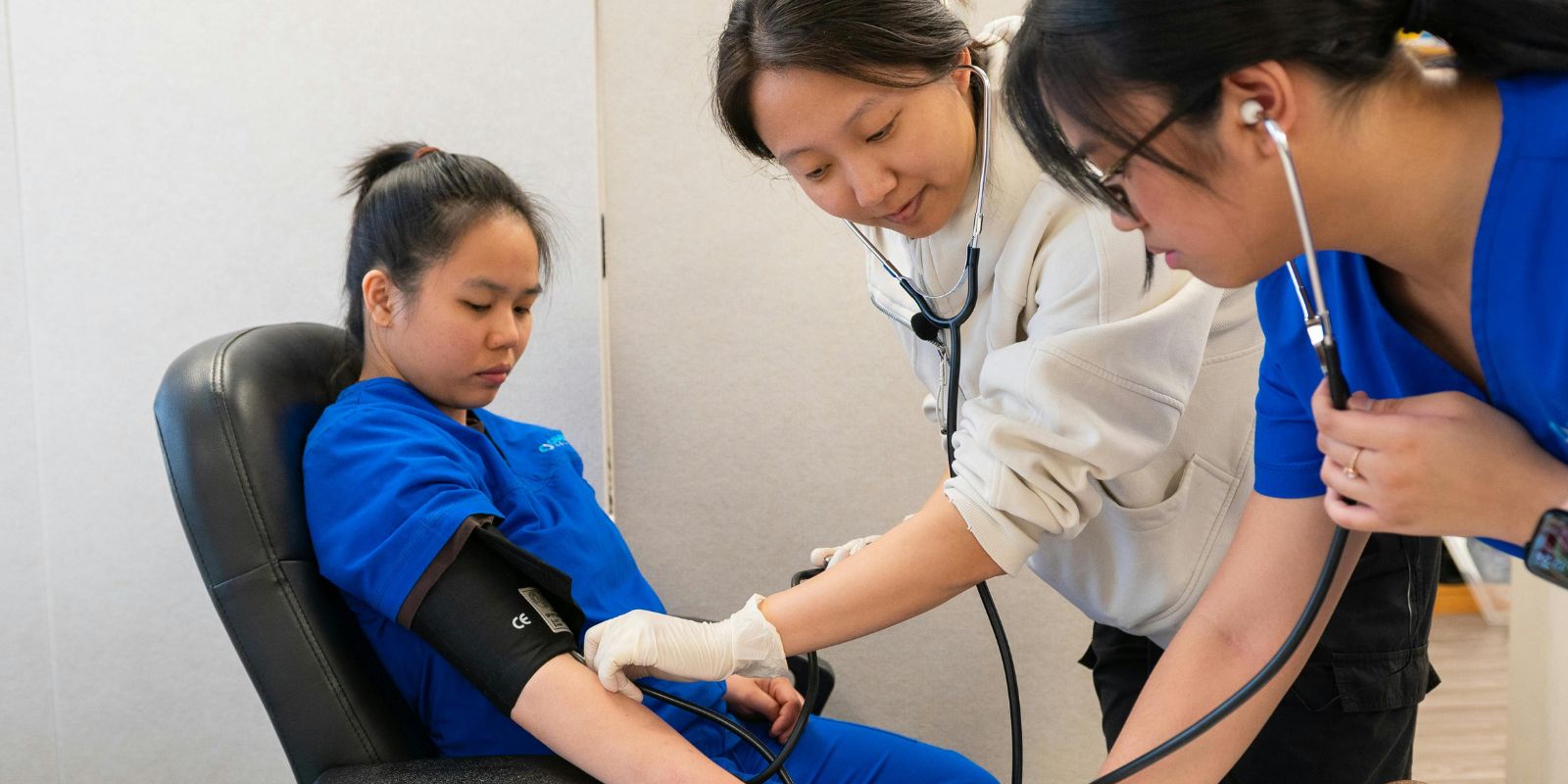
Healthcare systems across the world are facing increasing pressure to deliver high-quality patient care while managing rising operational costs and workforce shortages. Hospitals, clinics, and healthcare organizations rely heavily on skilled professionals such as doctors, nurses, laboratory technicians, and allied healthcare staff to maintain efficient operations. However, recruiting and retaining qualified medical professionals has become a significant challenge due to workforce shortages, increased patient demand, and evolving healthcare regulations.
Clinical staffing solutions have emerged as a strategic approach for healthcare organizations to meet their workforce needs effectively. By partnering with specialized staffing providers, healthcare institutions can access qualified professionals, ensure continuity of care, and maintain operational efficiency. These staffing solutions help organizations manage workforce gaps while maintaining the highest standards of patient care.
This article explores the importance of clinical staffing solutions in healthcare, the benefits they provide, and how healthcare institutions can leverage them to build a strong and reliable workforce.
Understanding Clinical Staffing Solutions
Clinical staffing solutions refer to professional workforce services designed specifically for healthcare organizations. These services involve sourcing, recruiting, screening, and placing qualified medical professionals in hospitals, clinics, diagnostic centers, and other healthcare facilities.
Clinical staffing agencies specialize in identifying skilled candidates across multiple healthcare disciplines. These include:
- Physicians and surgeons
- Registered nurses (RNs)
- Nurse practitioners (NPs)
- Laboratory technicians
- Radiology technicians
- Pharmacists
- Medical assistants
- Allied healthcare professionals
Healthcare organizations often face sudden staffing gaps due to employee turnover, seasonal demand, medical emergencies, or expansion of healthcare services. Clinical staffing solutions help fill these gaps quickly and efficiently.
Why Healthcare Organizations Need Clinical Staffing Solutions
The healthcare sector operates in a highly demanding and fast-paced environment where patient care cannot be compromised. Staffing shortages can lead to increased workloads, employee burnout, and reduced patient satisfaction.
Clinical staffing solutions address these challenges by ensuring that healthcare facilities always have access to qualified professionals.
1. Addressing Healthcare Workforce Shortages
One of the biggest challenges facing healthcare systems today is the shortage of skilled medical professionals. The demand for healthcare services continues to rise due to aging populations and increasing chronic diseases.
Clinical staffing agencies help bridge this gap by providing access to a large pool of trained professionals who are ready to step into critical roles.
2. Ensuring Continuity of Patient Care
In healthcare, staffing shortages can directly impact patient outcomes. When healthcare facilities are understaffed, it can lead to longer waiting times, delayed treatments, and increased stress for existing staff.
Clinical staffing solutions ensure that healthcare facilities maintain adequate staffing levels, allowing them to provide uninterrupted patient care.
3. Reducing Recruitment Time
Recruiting healthcare professionals can be a time-consuming process involving credential verification, licensing checks, and background screenings.
Staffing agencies streamline the recruitment process by pre-screening candidates and ensuring they meet regulatory requirements. This significantly reduces the time required to hire qualified professionals.
4. Managing Workforce Flexibility
Healthcare demand can fluctuate due to seasonal illnesses, public health emergencies, or hospital expansion. Clinical staffing solutions allow healthcare organizations to scale their workforce up or down depending on patient demand.
This flexibility helps healthcare providers manage operational costs while maintaining service quality.
Types of Clinical Staffing Solutions
Healthcare staffing providers offer various workforce solutions tailored to the specific needs of healthcare organizations.
1. Temporary Staffing
Temporary staffing provides healthcare facilities with professionals who work for short periods to cover employee absences, peak demand, or special projects.
Examples include nurses covering maternity leave or technicians assisting during seasonal patient surges.
2. Permanent Placement
Permanent placement services help healthcare organizations recruit full-time medical professionals for long-term positions. Staffing agencies manage candidate sourcing, screening, and interview coordination.
This allows healthcare institutions to hire highly qualified professionals without spending excessive time on recruitment.
3. Contract Staffing
Contract staffing involves hiring healthcare professionals for a specific duration or project. This model is commonly used for specialized roles or temporary healthcare initiatives.
4. Travel Healthcare Staffing
Travel staffing solutions provide healthcare professionals who are willing to relocate temporarily to work in hospitals facing severe staffing shortages. Travel nurses and technicians often help fill critical gaps in underserved regions.
5. Locum Tenens Staffing
Locum tenens staffing provides temporary physicians and specialists who work in healthcare facilities for a limited period. This solution is particularly useful when hospitals need coverage for vacations, leaves, or physician shortages.
Benefits of Clinical Staffing Solutions
Clinical staffing solutions offer numerous advantages for healthcare organizations seeking to improve workforce efficiency and patient care.
Access to Qualified Talent
Staffing agencies maintain extensive networks of healthcare professionals. This enables organizations to access highly qualified candidates quickly.
Faster Hiring Process
By outsourcing recruitment to staffing specialists, healthcare facilities can significantly reduce hiring time and focus on patient care.
Improved Workforce Productivity
Adequate staffing ensures that healthcare professionals can focus on delivering quality care without being overwhelmed by excessive workloads.
Reduced Administrative Burden
Recruitment in healthcare requires compliance with strict regulations and credential verification. Staffing providers manage these administrative tasks, saving time and resources for healthcare institutions.
Cost Efficiency
Clinical staffing solutions help organizations control labor costs by offering flexible staffing models that align with patient demand.
Key Roles Filled Through Clinical Staffing
Healthcare staffing providers recruit professionals across multiple medical disciplines to support healthcare facilities.
Some of the most commonly staffed roles include:
- Registered nurses
- ICU nurses
- Emergency department nurses
- Medical laboratory technicians
- Radiology technicians
- Surgical technicians
- Physical therapists
- Pharmacists
- Medical coders and billing specialists
By filling these critical roles, staffing providers help healthcare organizations maintain smooth operations and deliver quality patient care.
How Clinical Staffing Agencies Ensure Quality
Maintaining quality and compliance is essential in healthcare staffing. Professional staffing agencies follow strict processes to ensure that healthcare professionals meet industry standards.
Credential Verification
All healthcare professionals undergo verification of their educational qualifications, certifications, and licenses.
Background Checks
Comprehensive background checks ensure patient safety and compliance with healthcare regulations.
Skills Assessment
Staffing agencies conduct skills evaluations and competency tests to confirm that candidates meet the required clinical standards.
Continuous Support
Many staffing agencies provide ongoing training and professional development programs to help healthcare professionals stay updated with industry practices.
Technology in Clinical Staffing
Technology plays an increasingly important role in modern healthcare staffing solutions.
Digital recruitment platforms, applicant tracking systems, and AI-driven talent matching help staffing providers identify suitable candidates faster and more accurately.
Telehealth services have also expanded the scope of clinical staffing by enabling remote healthcare professionals to support patient care.
Additionally, workforce management software allows healthcare organizations to track staff availability, manage scheduling, and optimize workforce utilization.
Choosing the Right Clinical Staffing Partner
Selecting the right staffing partner is essential for healthcare organizations seeking reliable workforce solutions.
Healthcare providers should consider the following factors:
Industry Experience
Choose staffing agencies with extensive experience in healthcare recruitment and a strong understanding of medical regulations.
Talent Network
A staffing provider with a large pool of healthcare professionals can fill positions more quickly.
Compliance Expertise
Healthcare staffing agencies must comply with strict regulatory standards. Ensure the agency follows proper credentialing and compliance procedures.
Technology Capabilities
Modern staffing agencies use advanced technology to streamline recruitment and workforce management.
Reputation and Reliability
Partnering with a reputable staffing agency ensures consistent service quality and reliable staffing support.
The Future of Clinical Staffing in Healthcare
The demand for clinical staffing solutions is expected to grow significantly as healthcare systems continue to expand. Several trends are shaping the future of healthcare workforce management:
- Increased demand for specialized healthcare professionals
- Growth of telehealth and remote healthcare services
- Greater adoption of flexible staffing models
- Integration of technology and AI in recruitment processes
- Increased focus on workforce wellbeing and retention
Healthcare organizations that adopt strategic staffing solutions will be better positioned to meet patient needs and maintain operational efficiency.
Conclusion
Clinical staffing solutions play a crucial role in helping healthcare organizations address workforce challenges while maintaining high standards of patient care. By providing access to qualified medical professionals, staffing providers help hospitals and clinics manage workforce shortages, improve operational efficiency, and enhance patient outcomes.
As the healthcare industry continues to evolve, partnering with reliable clinical staffing providers will become increasingly important for organizations seeking sustainable workforce strategies. With the right staffing solutions in place, healthcare institutions can focus on their core mission—delivering safe, effective, and compassionate care to patients.