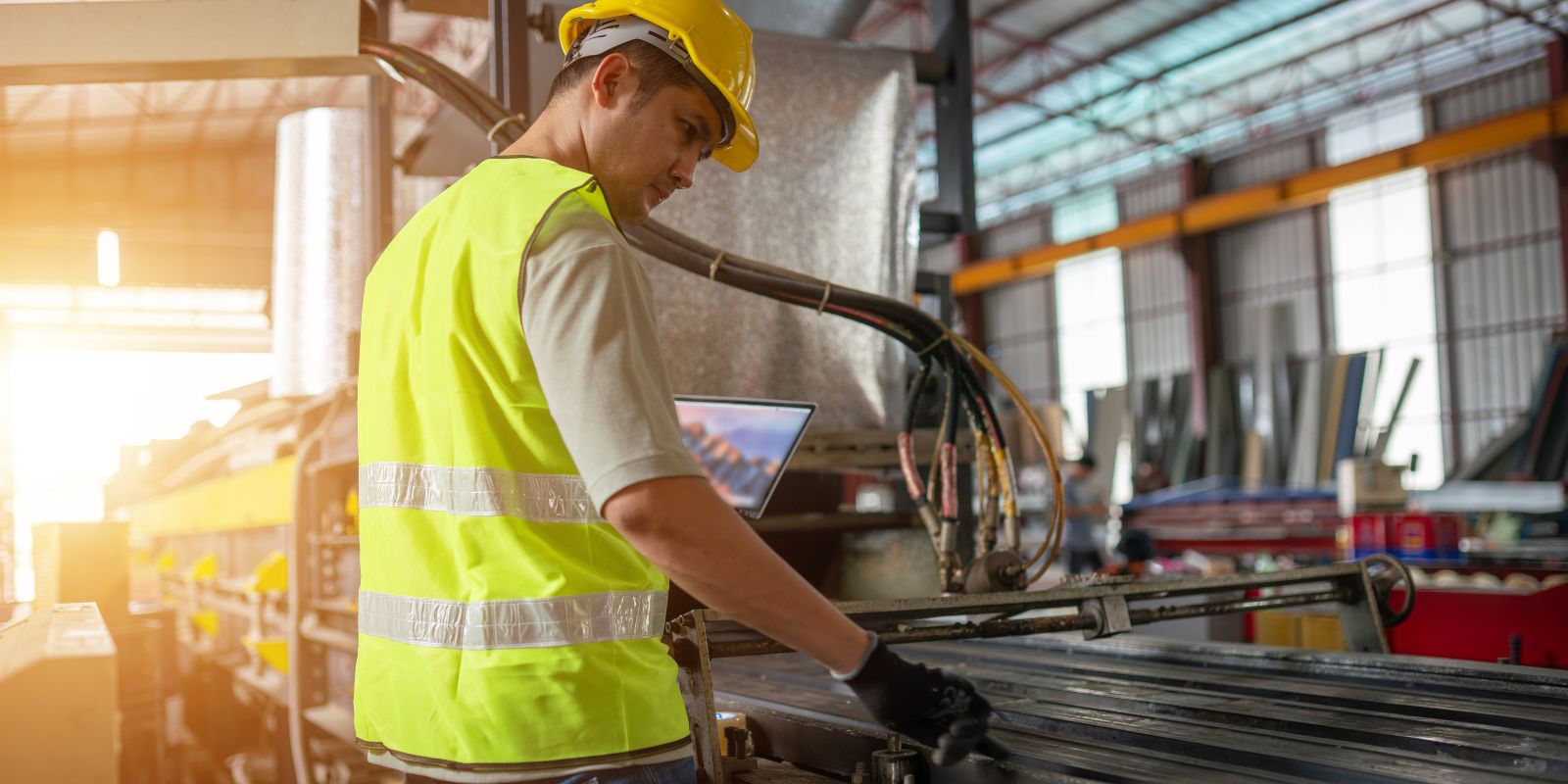
The manufacturing industry plays a vital role in driving economic growth, innovation, and large-scale employment across the world. From automotive production and electronics assembly to textiles and food processing, manufacturing companies rely heavily on skilled labor to maintain productivity and quality standards. However, many manufacturers face ongoing challenges in recruiting and retaining qualified workers who possess the technical expertise required for modern production environments.
Skilled labor solutions have emerged as a strategic approach for manufacturing companies seeking to overcome workforce shortages, improve efficiency, and remain competitive in an evolving industrial landscape. By partnering with workforce providers or implementing advanced hiring strategies, manufacturers can secure the skilled workforce necessary to meet production targets and business goals.
This article explores the importance of skilled labor solutions in manufacturing, the challenges companies face in workforce management, and how effective staffing strategies can support sustainable industrial growth.
The Importance of Skilled Labor in Manufacturing
Manufacturing processes have become increasingly complex with the introduction of automation, robotics, and advanced machinery. As a result, companies require workers who possess specialized technical skills and hands-on experience in operating sophisticated equipment.
Skilled workers play a crucial role in several key manufacturing activities, including:
- Machine operation and maintenance
- Quality control and inspection
- Production line supervision
- Equipment troubleshooting
- Safety compliance and risk management
Without a reliable skilled workforce, manufacturing companies may experience production delays, quality issues, and increased operational costs. Skilled labor ensures that production systems run smoothly and that products meet industry standards.
Workforce Challenges in the Manufacturing Industry
Despite the growing demand for skilled workers, manufacturers often struggle with labor shortages and workforce management issues. Several factors contribute to these challenges.
1. Skill Gap
One of the biggest concerns in manufacturing is the widening skill gap. Many industries require workers with technical training, but the number of qualified candidates is limited. Rapid technological advancements have also increased the need for specialized skills.
2. High Employee Turnover
Manufacturing companies often experience high employee turnover, particularly in entry-level or production roles. Frequent workforce changes can disrupt production schedules and increase recruitment costs.
3. Seasonal Production Demands
Many manufacturing businesses face fluctuating demand throughout the year. During peak production periods, companies may require additional workers to handle increased workloads.
4. Compliance and Safety Requirements
Manufacturing facilities must follow strict labor laws and safety regulations. Managing compliance while hiring new workers can be a complex task for internal HR teams.
These challenges highlight the need for structured skilled labor solutions that can help manufacturers manage workforce demands effectively.
What Are Skilled Labor Solutions?
Skilled labor solutions refer to staffing strategies and workforce management services designed to provide qualified workers for manufacturing operations. These solutions may include recruitment services, contract staffing, workforce outsourcing, and training programs that ensure companies have access to competent professionals.
The primary goal of skilled labor solutions is to match the right talent with the right job roles, helping manufacturing companies maintain productivity and operational efficiency.
Some common workforce solutions used in manufacturing include:
- Contract staffing
- Temporary staffing
- Permanent recruitment
- Workforce outsourcing
- Skill-based training programs
By adopting these strategies, manufacturers can build a flexible and reliable workforce that supports long-term business growth.
Benefits of Skilled Labor Solutions for Manufacturing
Implementing skilled labor solutions offers several advantages for manufacturing companies.
Improved Productivity
Skilled workers understand manufacturing processes and equipment operations, allowing them to perform tasks efficiently. This leads to higher productivity and smoother production cycles.
Access to Qualified Talent
Workforce solutions help manufacturers connect with trained professionals who have relevant industry experience. This reduces the time and effort required for recruitment.
Cost Efficiency
Hiring and training employees internally can be expensive and time-consuming. Skilled labor solutions allow companies to reduce recruitment costs while maintaining operational efficiency.
Workforce Flexibility
Manufacturers often require additional workers during high-demand periods. Temporary or contract staffing solutions enable companies to scale their workforce based on production needs.
Compliance Support
Staffing providers ensure that workers meet labor law requirements and workplace safety standards. This reduces the administrative burden on manufacturing companies.
Key Roles in Skilled Manufacturing Workforce
Manufacturing facilities require a variety of skilled professionals to manage production processes effectively. Some of the most important roles include:
Machine Operators
Machine operators handle automated machinery and ensure that equipment runs efficiently during production cycles.
Production Technicians
Production technicians oversee manufacturing processes, troubleshoot equipment issues, and maintain production quality.
Quality Control Inspectors
Quality inspectors monitor product standards and ensure that manufactured goods meet industry specifications.
Maintenance Engineers
Maintenance professionals are responsible for repairing and maintaining machinery to prevent downtime and production interruptions.
Warehouse and Logistics Staff
Manufacturing operations also depend on skilled warehouse personnel who manage inventory, packaging, and distribution processes.
Having trained professionals in these roles ensures smooth manufacturing operations and consistent product quality.
Technology and Modern Manufacturing Workforce
The rise of Industry 4.0 has transformed traditional manufacturing processes. Advanced technologies such as automation, artificial intelligence, and smart manufacturing systems have created new skill requirements for workers.
Modern manufacturing employees must be capable of:
- Operating automated production systems
- Monitoring digital manufacturing platforms
- Interpreting production data
- Maintaining robotic equipment
As technology continues to evolve, companies must invest in workforce training and skilled labor solutions to keep up with industry advancements.
How Staffing Providers Support Manufacturing Companies
Professional staffing providers play an important role in delivering skilled labor solutions to manufacturers. These organizations specialize in sourcing, screening, and placing qualified candidates in various industrial roles.
Some of the key services offered by staffing providers include:
Talent Sourcing
Recruitment agencies maintain large talent databases and networks that help them identify skilled workers quickly.
Candidate Screening
Staffing companies evaluate candidates based on their experience, technical skills, and job suitability before recommending them to employers.
Workforce Management
Many providers handle payroll processing, compliance documentation, and employee management, reducing administrative responsibilities for manufacturers.
Rapid Hiring
When manufacturers need workers urgently, staffing agencies can provide pre-screened candidates within a short period.
These services enable manufacturing companies to focus on production and operational efficiency while workforce providers manage recruitment processes.
Training and Skill Development
To address the ongoing skill shortage in manufacturing, companies are increasingly investing in training and workforce development programs. Training initiatives help workers acquire the technical knowledge required for modern manufacturing environments.
Important training areas include:
- Machine operation and safety
- Technical equipment handling
- Industrial automation systems
- Quality control techniques
- Workplace safety procedures
By combining skilled labor solutions with employee training programs, manufacturing companies can create a workforce that is both capable and adaptable.
Future Trends in Manufacturing Workforce Solutions
The manufacturing workforce is expected to evolve significantly in the coming years. Several trends will shape the future of skilled labor solutions.
Automation and Human Collaboration
Automation will continue to expand in manufacturing facilities, but skilled human workers will remain essential for managing complex processes and equipment.
Digital Skill Requirements
Workers will increasingly need digital literacy and technical skills to operate smart manufacturing systems.
Flexible Workforce Models
Companies will rely more on contract staffing and workforce outsourcing to manage fluctuating production demands.
Focus on Employee Retention
Manufacturers will invest in employee engagement, training, and workplace benefits to retain skilled workers.
These trends indicate that workforce solutions will remain a critical component of manufacturing success.
Conclusion
Skilled labor solutions are essential for manufacturing companies seeking to maintain productivity, efficiency, and competitiveness in today’s industrial environment. As manufacturing processes become more technologically advanced, the demand for trained and experienced workers continues to grow.
By implementing effective workforce strategies such as contract staffing, recruitment partnerships, and employee training programs, manufacturers can overcome labor shortages and build a strong production workforce. Skilled labor solutions not only help companies meet immediate staffing needs but also support long-term operational stability.
In an industry where precision, efficiency, and reliability are crucial, investing in the right workforce solutions can make a significant difference. Manufacturers that prioritize skilled labor development and strategic staffing will be better positioned to achieve sustainable growth and success in the future.