
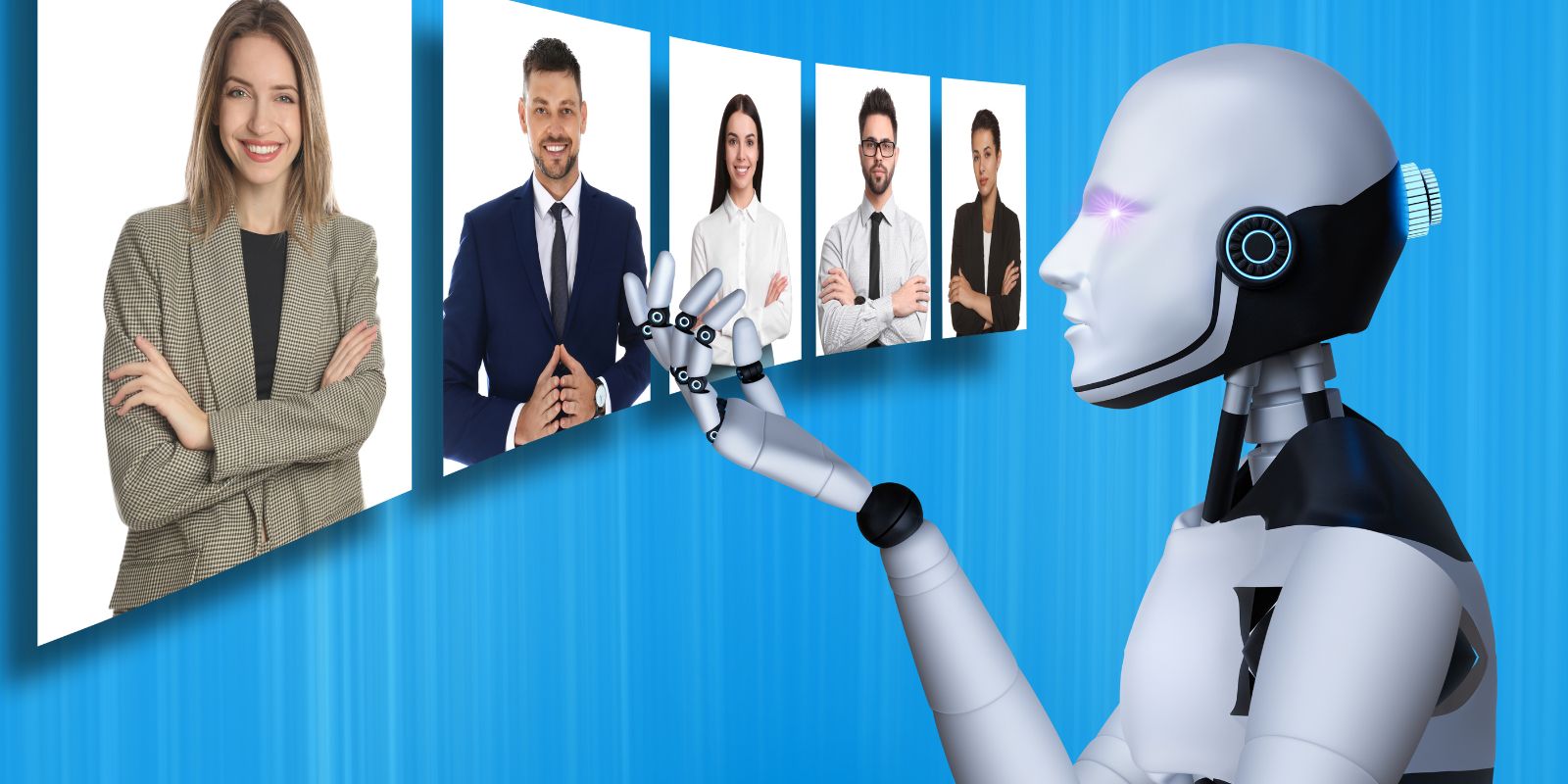
In today’s rapidly evolving business landscape, hiring is no longer just about filling vacancies. Organizations are shifting toward smarter, data-driven hiring models that enhance decision-making, reduce hiring risks, and improve workforce quality. This transformation is being led by workforce intelligence powered hiring—a strategic approach that integrates analytics, artificial intelligence, and real-time insights into the recruitment process. Companies that embrace workforce intelligence are better equipped to attract, assess, and retain top talent while aligning hiring decisions with long-term business goals.
Understanding Workforce Intelligence in Hiring
Workforce intelligence refers to the use of data, technology, and analytics to make informed workforce-related decisions. When applied to hiring, it enables organizations to analyze talent trends, candidate behavior, skill availability, and hiring performance metrics. Instead of relying solely on intuition or traditional hiring methods, workforce intelligence provides measurable insights that lead to smarter recruitment strategies.
This approach combines multiple data sources such as applicant tracking systems, HR analytics tools, employee performance records, and labor market insights. The result is a comprehensive hiring framework that prioritizes quality, efficiency, and scalability.
The Shift from Traditional Hiring to Intelligence-Driven Recruitment
Traditional hiring methods often involve manual screening, subjective decision-making, and limited data usage. While these methods worked in the past, they are no longer sufficient in a competitive talent market. Workforce intelligence powered hiring introduces automation, predictive analytics, and structured evaluation models that significantly enhance recruitment accuracy.
Organizations are now leveraging intelligent dashboards, candidate scoring systems, and AI-powered screening tools to identify the best-fit candidates faster. This shift reduces time-to-hire, improves candidate experience, and ensures alignment between job roles and workforce capabilities.
Key Components of Workforce Intelligence Powered Hiring
1. Data-Driven Talent Acquisition
Data is the backbone of workforce intelligence. Recruiters can analyze hiring metrics such as time-to-fill, cost-per-hire, and candidate conversion rates to refine their recruitment strategies. By understanding these metrics, organizations can optimize sourcing channels and allocate resources more effectively.
2. Predictive Analytics for Better Hiring Decisions
Predictive analytics helps organizations forecast hiring needs and identify future skill gaps. It enables HR teams to proactively plan recruitment instead of reacting to sudden workforce shortages. Predictive models also help in identifying candidates who are more likely to succeed in specific roles.
3. AI-Powered Candidate Screening
Artificial intelligence tools streamline resume screening and candidate shortlisting by analyzing qualifications, experience, and skill relevance. This reduces manual workload and eliminates bias, ensuring fair and consistent hiring decisions.
4. Workforce Planning Integration
Workforce intelligence connects hiring with long-term workforce planning. Organizations can align recruitment strategies with business expansion plans, project requirements, and organizational growth targets.
5. Real-Time Talent Insights
Real-time data analytics provide instant visibility into recruitment pipelines, candidate engagement, and hiring performance. This allows recruiters to make quick adjustments and improve hiring outcomes.
Benefits of Workforce Intelligence Powered Hiring
Enhanced Hiring Accuracy
One of the biggest advantages of workforce intelligence is improved hiring precision. By using data-backed insights, recruiters can select candidates who are not only qualified but also culturally aligned with the organization.
Faster Recruitment Process
Automation and intelligent tools significantly reduce the time required for sourcing, screening, and interviewing candidates. This leads to quicker hiring cycles and better productivity for HR teams.
Improved Candidate Experience
Modern candidates expect a seamless hiring process. Workforce intelligence powered systems enable faster communication, personalized engagement, and transparent evaluation, resulting in a positive candidate journey.
Reduced Hiring Costs
By optimizing recruitment channels and minimizing hiring errors, organizations can lower their overall recruitment costs. Data-driven hiring reduces the likelihood of bad hires, which can be expensive and disruptive.
Strategic Workforce Alignment
Workforce intelligence ensures that hiring decisions align with business strategies. This helps organizations build a future-ready workforce capable of adapting to market changes and technological advancements.
Role of Technology in Intelligent Hiring Models
Technology plays a critical role in enabling workforce intelligence powered hiring. Advanced recruitment platforms, AI-driven analytics tools, and cloud-based HR systems provide scalable solutions for modern organizations. These technologies help automate repetitive tasks, improve data accuracy, and enhance decision-making capabilities.
Machine learning algorithms can analyze large datasets to identify patterns and trends in hiring. For example, they can determine which sourcing platforms yield the best candidates or which skills are most in demand. This level of insight allows HR teams to continuously refine their hiring strategies.
Additionally, digital talent platforms provide centralized databases of candidates, making it easier to track applications, manage communication, and evaluate performance metrics.
Implementing Workforce Intelligence in Hiring Strategies
Define Clear Hiring Objectives
Organizations must first identify their hiring goals and workforce requirements. This includes understanding skill demands, project needs, and long-term growth plans.
Invest in HR Analytics Tools
Implementing workforce intelligence requires advanced analytics platforms that can collect and interpret recruitment data effectively.
Train Recruitment Teams
HR professionals must be trained to interpret data insights and leverage intelligent hiring tools. Upskilling recruitment teams ensures successful adoption of workforce intelligence systems.
Use Structured Evaluation Frameworks
Standardized interview processes, skill assessments, and candidate scoring systems enhance consistency and reduce bias in hiring decisions.
Monitor and Optimize Hiring Metrics
Continuous monitoring of recruitment metrics helps organizations identify gaps and improve hiring efficiency over time.
Challenges in Workforce Intelligence Powered Hiring
While workforce intelligence offers numerous benefits, organizations may face certain challenges during implementation. Data integration across multiple systems can be complex, especially for companies using outdated HR technologies. Additionally, ensuring data privacy and compliance is critical when handling candidate information.
Another challenge is resistance to change. Traditional hiring teams may be hesitant to adopt data-driven approaches. To overcome this, organizations must focus on change management, training, and leadership support.
Moreover, the effectiveness of workforce intelligence depends on data quality. Inaccurate or incomplete data can lead to flawed insights and poor hiring decisions. Therefore, maintaining accurate and updated datasets is essential.
Future Trends in Workforce Intelligence and Hiring
The future of hiring will be increasingly shaped by workforce intelligence and emerging technologies. AI-driven talent analytics, automation, and predictive workforce planning will become standard practices in recruitment. Organizations will rely more on skill-based hiring models rather than traditional qualification-based approaches.
Another emerging trend is the use of people analytics to evaluate employee performance and retention patterns. This helps organizations refine their hiring strategies and improve workforce sustainability.
Remote hiring and digital recruitment platforms will also continue to grow, supported by intelligent workforce systems that enable global talent acquisition. As businesses expand across regions, workforce intelligence will play a vital role in identifying and managing diverse talent pools.
Best Practices for Successful Intelligence-Driven Hiring
To maximize the benefits of workforce intelligence powered hiring, organizations should adopt a strategic and structured approach. They should focus on building strong data ecosystems, integrating recruitment technologies, and fostering collaboration between HR and business leaders.
Regular audits of hiring processes, continuous technology upgrades, and performance benchmarking can further enhance recruitment effectiveness. Additionally, organizations should prioritize ethical AI usage and maintain transparency in hiring practices.
Conclusion
Workforce intelligence powered hiring is transforming the way organizations attract and manage talent. By leveraging data analytics, AI-driven tools, and predictive insights, businesses can make smarter hiring decisions that align with long-term growth objectives. This approach not only enhances recruitment efficiency but also improves workforce quality, reduces hiring costs, and strengthens organizational competitiveness.
As the talent landscape becomes more dynamic and technology-driven, adopting workforce intelligence is no longer optional—it is a necessity. Companies that embrace intelligent hiring models will gain a significant advantage in securing top talent, building resilient teams, and achieving sustainable business success. By integrating workforce intelligence into recruitment strategies, organizations can create a future-ready workforce that drives innovation, productivity, and long-term growth.


