
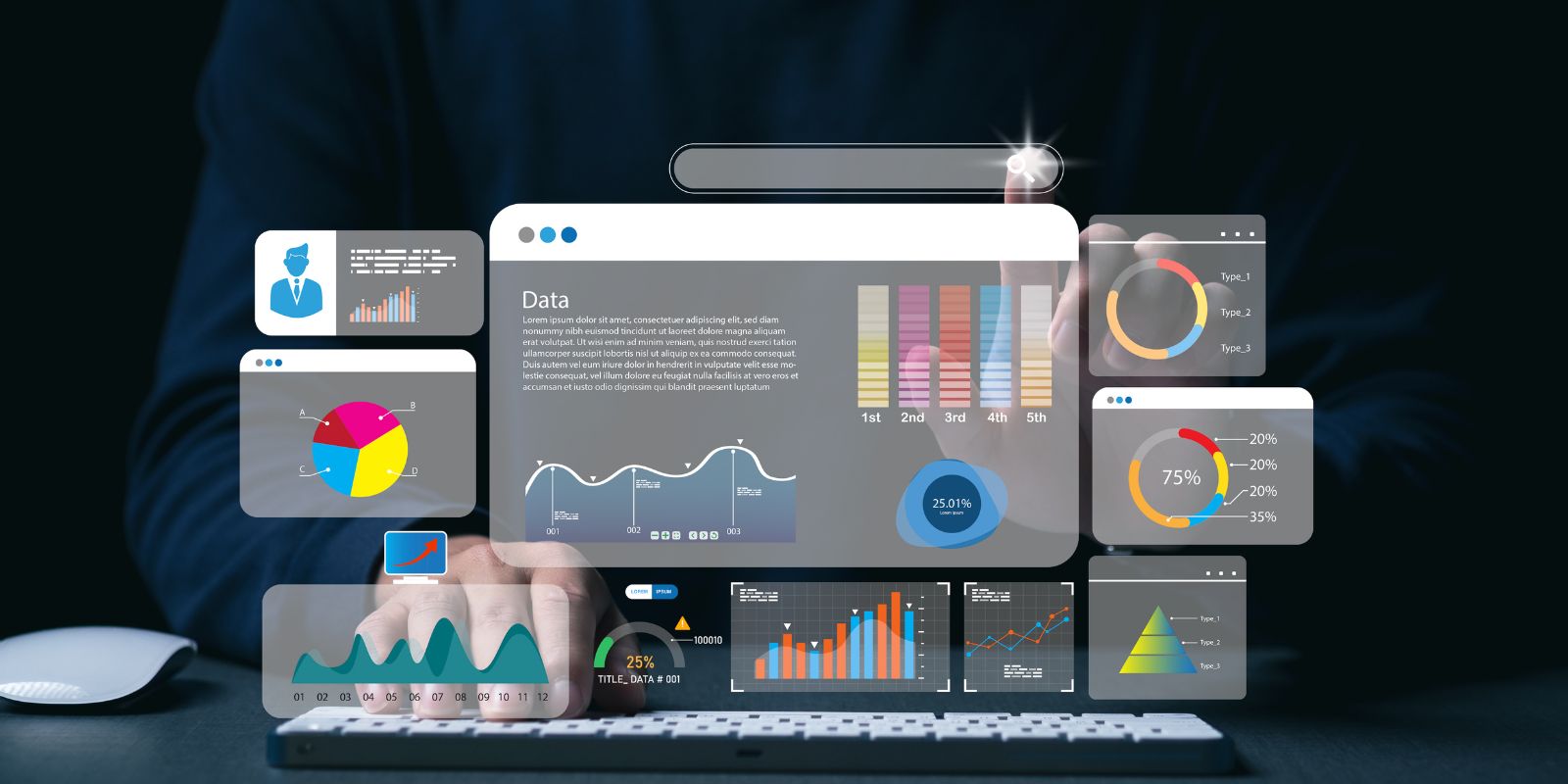
In today’s rapidly evolving business environment, organizations are under constant pressure to stay competitive, agile, and future-ready. One of the most powerful ways to achieve sustainable success is through workforce intelligence. Workforce intelligence refers to the strategic use of data, analytics, and insights to optimize workforce planning, hiring, productivity, and performance. Businesses that leverage workforce intelligence are better equipped to make informed decisions, reduce operational costs, and drive long-term growth.
Understanding Workforce Intelligence
Workforce intelligence is the process of collecting, analyzing, and utilizing employee and workforce-related data to improve decision-making across an organization. It combines human resource data, performance metrics, talent analytics, and predictive insights to create a comprehensive view of the workforce. Unlike traditional HR methods that rely on intuition or manual processes, workforce intelligence uses technology-driven insights to align workforce strategies with business goals.
This approach allows companies to identify skill gaps, forecast hiring needs, improve employee engagement, and enhance productivity. By transforming raw data into actionable insights, workforce intelligence empowers leaders to make proactive rather than reactive decisions.
The Role of Workforce Intelligence in Business Growth
Workforce intelligence plays a crucial role in driving business growth by ensuring that the right talent is in the right role at the right time. When organizations understand workforce trends and employee performance, they can streamline operations and increase efficiency. Strategic workforce planning supported by intelligence tools helps businesses anticipate market demands and adapt to changing conditions.
Additionally, workforce intelligence enables better allocation of resources. Instead of over-hiring or underutilizing talent, companies can optimize workforce deployment based on real-time insights. This leads to improved productivity, reduced turnover, and enhanced organizational performance.
Data-Driven Hiring and Talent Acquisition
One of the key benefits of workforce intelligence is its impact on hiring and recruitment. Traditional hiring methods often involve guesswork and lengthy processes. However, with workforce intelligence, companies can analyze candidate data, hiring trends, and skill requirements to make smarter recruitment decisions.
Data-driven hiring helps organizations identify high-potential candidates, reduce hiring bias, and shorten recruitment cycles. It also improves candidate matching by aligning skills and experience with job requirements. As a result, businesses can build a stronger workforce that contributes directly to growth and innovation.
Enhancing Employee Productivity and Performance
Workforce intelligence provides valuable insights into employee performance, engagement levels, and productivity patterns. By tracking performance metrics and workplace trends, organizations can identify areas that require improvement and implement targeted strategies.
For example, managers can use workforce analytics to understand workload distribution, employee strengths, and performance gaps. This allows them to design personalized training programs, improve employee satisfaction, and boost overall efficiency. A productive workforce directly contributes to business growth by delivering higher output and better results.
Strategic Workforce Planning for Future Growth
Future-ready organizations rely heavily on strategic workforce planning supported by intelligence systems. Workforce intelligence helps predict future talent needs, industry trends, and workforce demands. This proactive approach ensures that businesses are prepared for expansion, technological shifts, and market changes.
By forecasting workforce requirements, companies can avoid talent shortages and ensure continuity in operations. Strategic planning also supports succession planning, leadership development, and organizational scalability, all of which are essential for long-term growth.
Improving Employee Engagement and Retention
Employee engagement and retention are critical factors in business success. High turnover rates can significantly impact productivity and increase hiring costs. Workforce intelligence helps organizations monitor employee satisfaction, identify disengagement patterns, and implement effective retention strategies.
Through regular data analysis, HR teams can understand employee needs, career aspirations, and workplace challenges. This enables organizations to create a supportive work environment, offer growth opportunities, and enhance employee loyalty. Engaged employees are more motivated, productive, and committed to organizational goals.
Cost Optimization and Operational Efficiency
Another major advantage of workforce intelligence is cost optimization. By analyzing workforce data, businesses can identify inefficiencies, reduce unnecessary expenses, and optimize labor costs. Intelligent workforce management systems help in scheduling, resource allocation, and performance tracking, leading to streamlined operations.
Organizations can also reduce recruitment costs by improving hiring accuracy and minimizing turnover. Efficient workforce planning ensures that resources are utilized effectively, resulting in better financial performance and sustainable growth.
Leveraging Technology in Workforce Intelligence
Technology plays a vital role in enabling workforce intelligence. Advanced tools such as AI-powered analytics, HR software, and workforce management platforms help organizations collect and interpret workforce data more efficiently. These technologies provide real-time dashboards, predictive insights, and automation features that enhance decision-making.
Automation reduces manual workload and allows HR professionals to focus on strategic initiatives. Cloud-based workforce intelligence systems also ensure data accessibility, scalability, and integration with other business tools, making them essential for modern enterprises.
Workforce Intelligence and Organizational Agility
In a dynamic business landscape, agility is a key driver of growth. Workforce intelligence helps organizations remain agile by providing real-time insights into workforce trends and operational performance. Businesses can quickly adapt to market changes, workforce disruptions, and evolving customer demands.
For instance, during periods of rapid expansion or economic shifts, workforce intelligence enables companies to adjust hiring strategies, workforce allocation, and training programs. This flexibility ensures business continuity and resilience in uncertain environments.
Building a Competitive Advantage Through Workforce Insights
Companies that adopt workforce intelligence gain a significant competitive advantage in the market. By leveraging workforce data, organizations can make faster and more accurate decisions compared to competitors relying on traditional methods. Workforce intelligence also supports innovation by identifying emerging skills and training needs.
Furthermore, it enhances collaboration between HR and business leaders by aligning workforce strategies with organizational objectives. This alignment leads to improved performance, stronger leadership, and sustainable growth.
Challenges in Implementing Workforce Intelligence
Despite its numerous benefits, implementing workforce intelligence can present certain challenges. Organizations may face issues related to data integration, technology adoption, and data privacy. Additionally, a lack of skilled professionals to interpret analytics can hinder the effective use of workforce intelligence systems.
To overcome these challenges, businesses should invest in advanced HR technologies, provide training to HR teams, and establish clear data governance policies. A well-planned implementation strategy ensures smooth adoption and maximum return on investment.
Best Practices for Effective Workforce Intelligence
To maximize the benefits of workforce intelligence, organizations should follow certain best practices:
- Define clear workforce goals aligned with business objectives.
- Invest in advanced analytics and workforce management tools.
- Ensure data accuracy and consistency.
- Promote a data-driven culture across the organization.
- Continuously monitor workforce performance and trends.
- Use predictive analytics for future workforce planning.
By following these practices, businesses can unlock the full potential of workforce intelligence and drive measurable growth.
The Future of Workforce Intelligence in Business
The future of workforce intelligence is closely linked with advancements in artificial intelligence, machine learning, and automation. As technology continues to evolve, workforce intelligence systems will become more predictive, personalized, and efficient. Organizations will be able to anticipate workforce trends, automate HR processes, and create more dynamic work environments.
Remote work, digital transformation, and global talent mobility will further increase the importance of workforce intelligence. Companies that embrace these innovations will be better positioned to adapt to changing workforce dynamics and achieve sustainable business growth.
Conclusion
Workforce intelligence is no longer a luxury but a necessity for businesses aiming for growth and long-term success. By leveraging data-driven insights, organizations can optimize hiring, enhance productivity, improve employee engagement, and reduce operational costs. Workforce intelligence empowers leaders to make strategic decisions that align workforce capabilities with business goals.


