
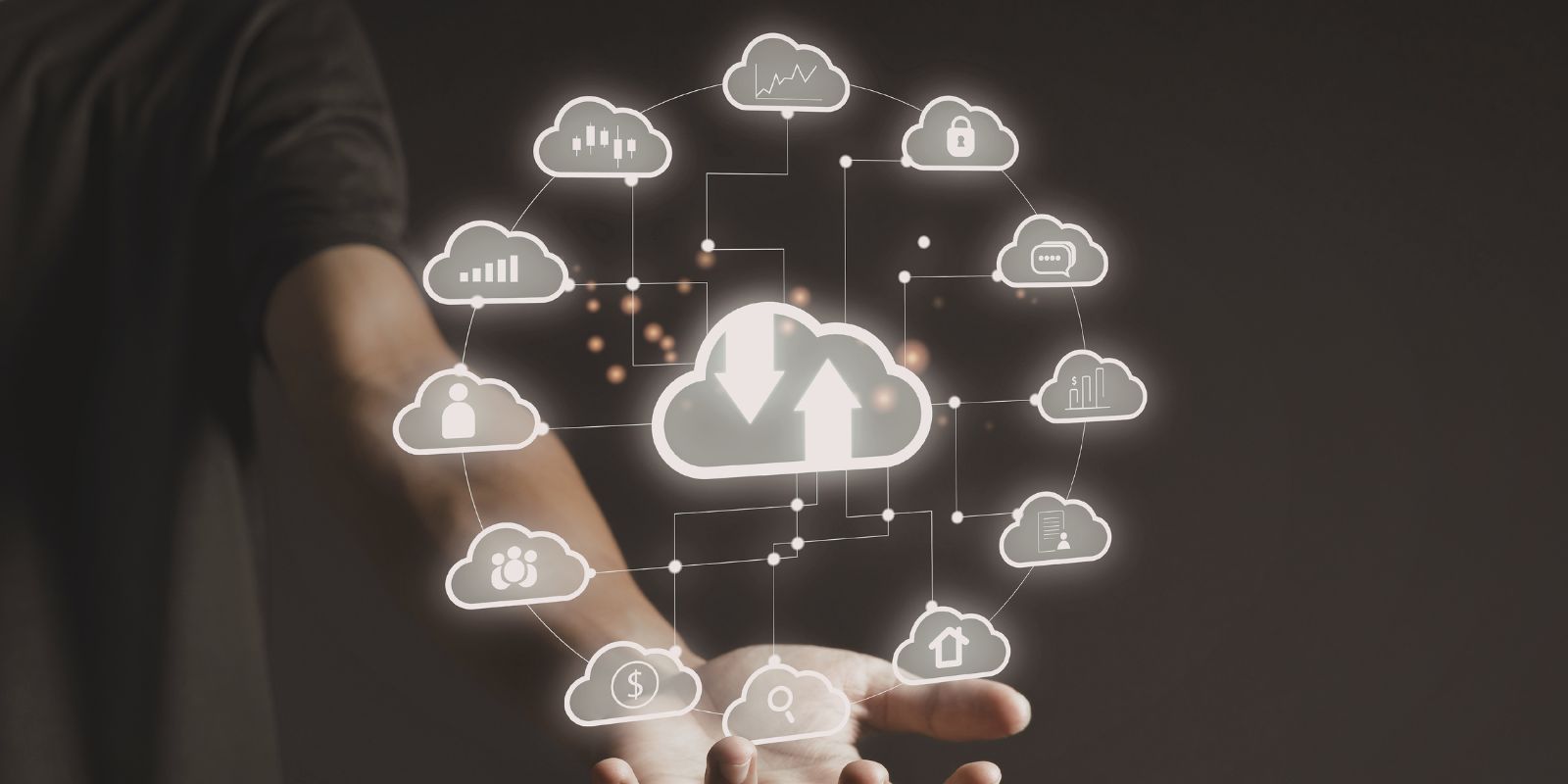
The modern workplace is experiencing one of the biggest transformations in business history. Traditional workforce structures built around fixed roles, physical offices, and long-term employment contracts are rapidly evolving. Technology is now at the center of this change, redefining how organizations hire, manage, and retain talent. As digital tools, automation, and artificial intelligence reshape industries, companies must rethink workforce strategies to remain competitive.
Technology shaping modern workforce models is not just a trend—it is a necessity. From remote collaboration tools to AI-powered recruitment platforms, digital innovations are enabling businesses to become more agile, efficient, and resilient. Organizations that adapt quickly can attract top talent, improve productivity, and reduce operational costs, while those that resist risk falling behind.
This article explores how technology is shaping modern workforce models, the key trends driving this change, and what organizations can do to prepare for the future.
The Shift from Traditional to Digital Workforce Models
For decades, workforce models relied on full-time employees working from centralized offices. Today, technology has removed geographical barriers and created opportunities for flexible work arrangements. Cloud platforms, digital communication tools, and data-driven HR systems now support distributed teams across multiple locations.
Digital transformation has enabled businesses to adopt:
- Remote work models
- Hybrid workforce structures
- Gig and contract-based staffing
- Project-based talent pools
These models allow companies to scale faster, respond to market demands, and access a global talent pool. Employees also benefit from flexibility, better work-life balance, and more career opportunities.
The Role of Artificial Intelligence in Workforce Transformation
Artificial intelligence (AI) is one of the most powerful forces shaping modern workforce models. AI is transforming how companies recruit, train, and manage employees.
AI in Recruitment
AI-powered tools analyze resumes, predict candidate success, and reduce hiring bias. Chatbots handle candidate queries, schedule interviews, and provide instant feedback. This speeds up the recruitment process while improving hiring accuracy.
AI in Performance Management
Machine learning algorithms track productivity, identify skill gaps, and recommend training programs. Managers can use real-time data to make better decisions and personalize employee development.
AI in Workforce Planning
Predictive analytics helps organizations forecast staffing needs, manage workloads, and plan for future growth. This allows businesses to remain proactive rather than reactive.
Automation and the Redefinition of Job Roles
Automation is eliminating repetitive and time-consuming tasks, allowing employees to focus on strategic and creative work. Robotic Process Automation (RPA) handles data entry, payroll processing, inventory management, and customer support functions.
Rather than replacing workers, automation is redefining job roles. Employees now work alongside digital tools, becoming problem-solvers, analysts, and innovators. This shift is creating demand for new skills such as data analysis, digital communication, and technology management.
Cloud Technology Enabling Remote and Hybrid Work
Cloud platforms make it possible for teams to collaborate in real time from anywhere in the world. Employees can access files, systems, and applications securely using cloud-based tools.
Popular platforms such as Microsoft Teams, Google Workspace, and Zoom allow seamless communication and project management. These tools have become essential for modern workforce models, especially in hybrid and remote environments.
Data-Driven HR and Workforce Analytics
Technology is turning HR into a strategic business function. Workforce analytics platforms collect and analyze employee data to measure engagement, performance, and retention.
Organizations can now:
- Predict employee turnover
- Identify high-performing teams
- Optimize workforce costs
- Improve diversity and inclusion efforts
Data-driven decision-making helps HR leaders align talent strategies with business goals.
Cybersecurity and Digital Trust
As work becomes increasingly digital, protecting employee data is critical. Cybersecurity tools safeguard sensitive information, ensure compliance, and maintain employee trust.
Modern workforce models rely on secure systems, identity management, and access controls. Businesses that invest in cybersecurity protect both their employees and their brand reputation.
Employee Experience and Digital Engagement
Technology has also transformed the employee experience. Learning management systems, wellness apps, and collaboration platforms create a connected and supportive work environment.
Virtual onboarding, e-learning modules, and AI-powered career guidance tools help employees grow within the organization. This improves job satisfaction, reduces turnover, and boosts overall productivity.
The Rise of the Gig and On-Demand Workforce
Digital platforms have enabled the growth of freelance and contract-based work. Businesses can now hire specialized talent for short-term projects without long-term commitments.
This flexible workforce model helps companies reduce costs, access niche skills, and adapt quickly to changing market needs. Workers benefit from independence, flexibility, and diverse career opportunities.
Challenges of Technology-Driven Workforce Models
While technology offers many benefits, it also presents challenges:
- Digital skill gaps
- Data privacy concerns
- Employee burnout
- Resistance to change
Organizations must invest in training, transparent communication, and supportive leadership to overcome these challenges.
Preparing for the Future of Work
To succeed in a technology-driven workforce, organizations must:
- Embrace continuous learning
- Invest in digital tools
- Build flexible workforce strategies
- Foster a culture of innovation
Leaders who prioritize adaptability and employee well-being will be better positioned for long-term success.
Conclusion
Technology shaping modern workforce models is redefining how organizations operate. From AI and automation to cloud platforms and data analytics, digital tools are creating more agile, inclusive, and productive workplaces. Companies that embrace these changes will gain a competitive advantage and build resilient workforces ready for the future.


