
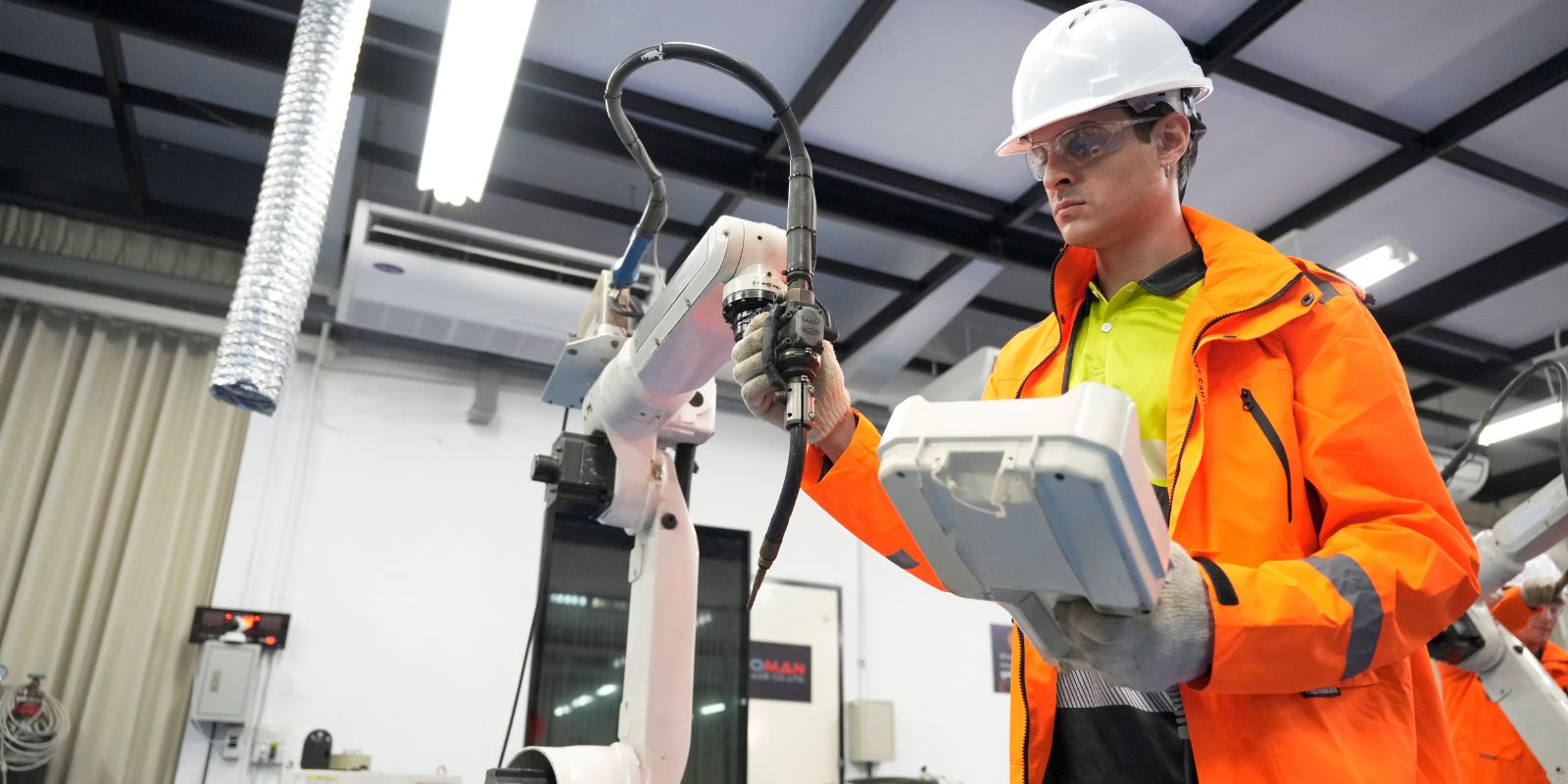
In today’s fast-paced digital economy, organizations are no longer defined by physical offices or fixed job roles. Technology has redefined how people work, collaborate, and deliver value. Traditional workforce models—built on hierarchy, manual processes, and location-bound teams—are rapidly becoming outdated. In their place, Tech Driven Workforce Operating Models are emerging as the backbone of modern enterprises.
These models integrate digital tools, automation, data analytics, and artificial intelligence to create flexible, scalable, and highly efficient work environments. They are not just about replacing human effort with machines; they are about enabling people to work smarter, faster, and more strategically.
This article explores what tech driven workforce operating models are, why they matter, how they work, and how organizations can implement them successfully.
What Are Tech Driven Workforce Operating Models?
A tech driven workforce operating model is a structured way of organizing people, processes, and technology to maximize business outcomes through digital enablement. It focuses on how work is done rather than where it is done, using technology as the central coordination layer.
These models rely on:
- Cloud platforms for collaboration
- AI and automation for task execution
- Data analytics for decision making
- Digital learning systems for upskilling
- Workforce management software for real-time planning
Instead of rigid departments and fixed roles, work is organized into agile teams, project-based assignments, and skill pools that adapt quickly to business needs.
Why Organizations Are Adopting Tech Driven Models
Several global trends are pushing companies to rethink their workforce strategies:
1. Rapid Digital Transformation
New technologies are disrupting industries at an unprecedented speed. Companies must adapt faster than ever, and traditional workforce structures cannot keep up.
2. Remote and Hybrid Work
The rise of distributed teams requires digital systems that support collaboration, productivity tracking, and performance management across locations.
3. Skills Over Job Titles
Modern organizations focus more on skills than fixed roles. Technology helps identify, match, and deploy skills where they are needed most.
4. Cost Optimization
Automation reduces manual work, while digital platforms minimize operational overhead and improve workforce utilization.
Core Components of Tech Driven Workforce Operating Models
1. Digital Workforce Platforms
These systems act as a central hub for employee data, scheduling, performance tracking, and engagement.
2. Automation & AI
Routine tasks such as payroll, attendance, recruitment screening, and customer support are automated, allowing employees to focus on strategic work.
3. Data-Driven Workforce Planning
Predictive analytics helps forecast hiring needs, skill gaps, and workload patterns, enabling proactive decision making.
4. Agile Team Structures
Instead of static departments, work is delivered by cross-functional teams that form and dissolve based on project needs.
5. Continuous Learning Systems
Digital learning platforms provide personalized training paths, ensuring employees stay relevant in a rapidly changing environment.
Benefits of Tech Driven Workforce Operating Models
Improved Productivity
Automation reduces repetitive work, while collaboration tools streamline communication and project execution.
Greater Flexibility
Employees can work from anywhere, and organizations can quickly scale teams up or down based on demand.
Better Decision Making
Real-time data provides insights into workforce performance, engagement, and efficiency.
Enhanced Employee Experience
Digital tools empower employees with self-service options, transparent communication, and personalized career development.
Stronger Business Resilience
Organizations can respond quickly to market changes, disruptions, and new opportunities.
How Technology Transforms Workforce Operations
Recruitment
AI-powered applicant tracking systems screen resumes, match skills, and reduce hiring time.
Onboarding
Digital onboarding platforms provide structured training, documentation, and progress tracking.
Performance Management
Real-time dashboards track goals, productivity, and feedback, replacing annual reviews with continuous evaluation.
Collaboration
Cloud-based tools enable virtual meetings, shared documents, and instant communication.
Employee Engagement
Pulse surveys, digital recognition tools, and feedback platforms keep employees connected and motivated.
Steps to Implement a Tech Driven Workforce Operating Model
- Assess Current Workforce Structure
Identify gaps, inefficiencies, and digital readiness. - Define Business Goals
Align the workforce model with long-term organizational strategy. - Select the Right Technology Stack
Choose platforms that integrate well and support scalability. - Reskill the Workforce
Invest in digital training and change management. - Adopt Agile Work Practices
Shift from role-based to skill-based, project-driven work. - Measure and Optimize Continuously
Use analytics to track performance and improve processes.
Future of Tech Driven Workforce Models
The future will see even deeper integration of AI, machine learning, and predictive analytics. Organizations will rely on digital talent marketplaces, intelligent scheduling systems, and automated workforce planning tools.
Work will become more personalized, data-driven, and outcome-focused. Companies that adopt tech driven workforce operating models today will be better positioned to compete, innovate, and grow in the digital economy.
Conclusion
Tech Driven Workforce Operating Models are not a trend—they are a necessity for modern businesses. By combining technology with human potential, organizations can build agile, resilient, and high-performing teams.


