
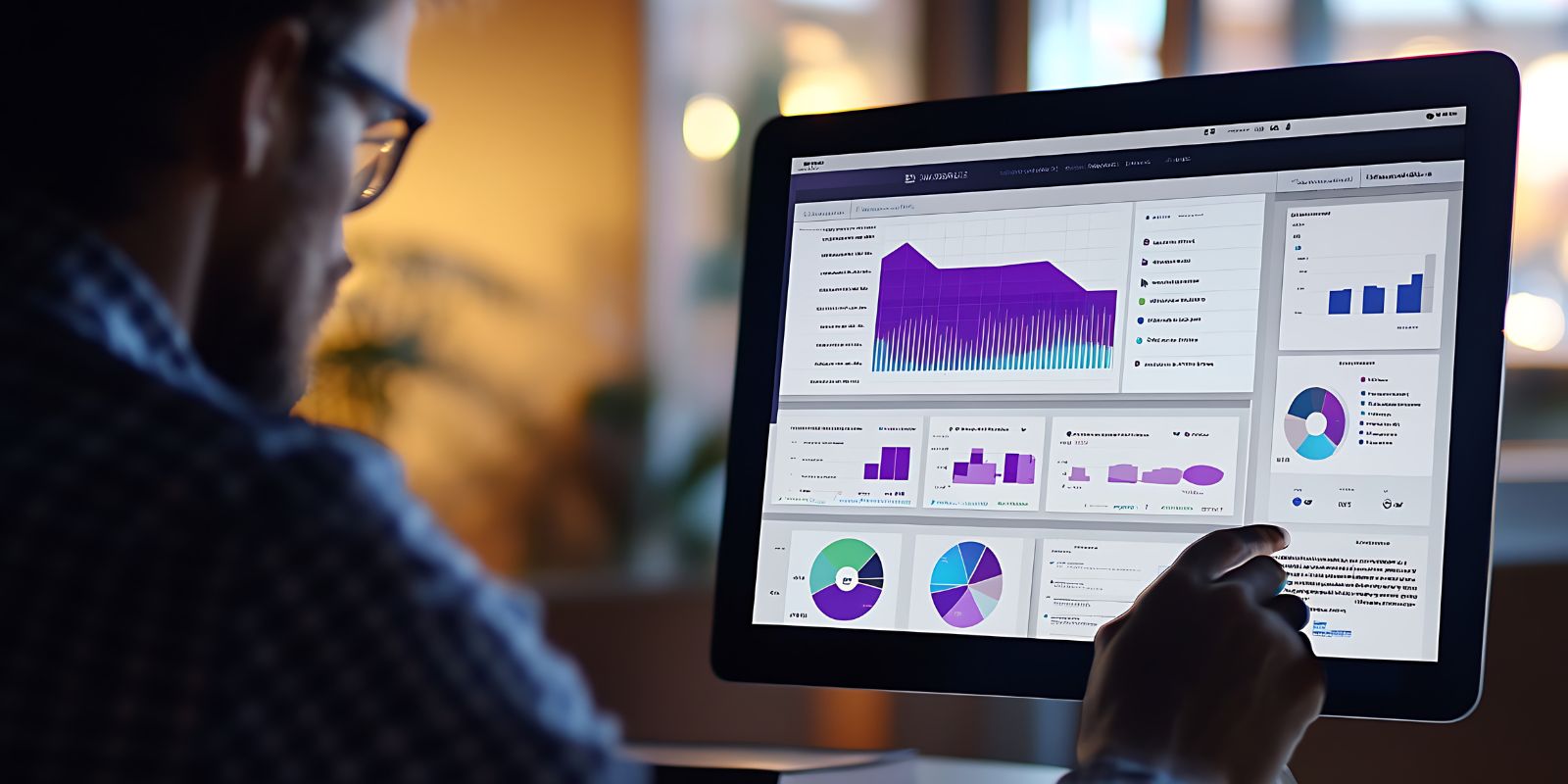
In the modern digital economy, organizations are under constant pressure to hire faster, retain better talent, and build high-performing teams. Traditional human resource practices based on intuition, experience, and limited reports are no longer sufficient. Companies now operate in a complex, fast-changing environment where talent can determine success or failure. This is where analytics powered talent decisions become a game changer.
By using data to guide every workforce decision, businesses can improve hiring accuracy, reduce employee turnover, boost productivity, and align talent strategies with organizational goals. Analytics is no longer optional—it is a strategic necessity for any organization that wants to remain competitive.
This article explores the power of analytics powered talent decisions, their benefits, applications, challenges, and future potential.
Understanding Analytics Powered Talent Decisions
Analytics powered talent decisions refer to the use of data, metrics, and predictive models to guide workforce strategies. Instead of relying on resumes, interviews, or personal opinions alone, HR teams analyze patterns from employee performance, engagement, recruitment, and retention data.
This approach combines HR technology, artificial intelligence, and business intelligence tools to convert raw workforce data into actionable insights. The goal is to support leadership with evidence-based decisions that improve organizational outcomes.
Why Analytics is Critical in Talent Management
Organizations generate vast amounts of employee data—from recruitment to exit interviews. When used correctly, this data reveals powerful insights.
1. Objective Decision-Making
Analytics removes bias and subjectivity by using factual data to guide hiring, promotions, and workforce planning.
2. Improved Hiring Accuracy
Data highlights which recruitment channels produce high-performing employees and which skills predict long-term success.
3. Reduced Employee Turnover
Attrition patterns reveal risk factors, allowing companies to act before valuable employees leave.
4. Increased Workforce Productivity
Matching roles to employee strengths improves engagement and performance.
5. Stronger Business Alignment
Talent strategies become directly connected to financial and operational goals.
Key Areas Where Analytics Makes an Impact
Recruitment and Selection
Recruitment analytics tracks:
- Source effectiveness
- Time-to-hire
- Cost-per-hire
- Candidate performance after joining
This ensures hiring decisions are faster, cost-effective, and quality-focused.
Performance Management
Performance data measures:
- Individual goal achievement
- Skill development
- Team output
- Manager effectiveness
Managers gain clarity to coach, reward, and promote the right people.
Employee Engagement
Analytics identifies:
- Engagement trends
- Satisfaction levels
- Leadership impact
- Workplace culture gaps
This allows HR to design targeted engagement programs.
Retention and Attrition Prediction
Predictive analytics uncovers:
- Flight risk employees
- Causes of resignations
- High-risk departments
Organizations can intervene early with retention strategies.
Learning and Development
Training analytics measures:
- Skill improvement
- Course ROI
- Career growth impact
This ensures learning investments deliver real value.
Strategic Benefits for Organizations
- Data-driven workforce planning
- Smarter leadership succession
- Improved diversity and inclusion tracking
- Lower recruitment costs
- Higher employee satisfaction
- Faster business growth
Analytics transforms HR from an administrative role into a strategic business partner.
Challenges in Adopting Talent Analytics
Despite its benefits, many organizations struggle with:
- Poor data quality
- Disconnected HR systems
- Lack of analytical skills
- Resistance to change
- Privacy and compliance concerns
Overcoming these challenges requires leadership support, technology investment, and ethical data practices.
Best Practices for Success
- Define clear business goals
- Use integrated HR analytics platforms
- Train HR teams in data interpretation
- Ensure data privacy and transparency
- Focus on predictive and prescriptive insights
The Future of Analytics in Talent Management
AI-driven tools, real-time dashboards, and predictive models will soon be standard in HR. Organizations that embrace analytics powered talent decisions will gain agility, resilience, and a competitive edge.
Conclusion
Analytics powered talent decisions are transforming how organizations manage their workforce. By replacing guesswork with data-driven insights, companies can hire smarter, retain top performers, improve productivity, and align talent strategies with business goals. In a world where people are the greatest competitive advantage, organizations that leverage analytics will lead the future of work.


