
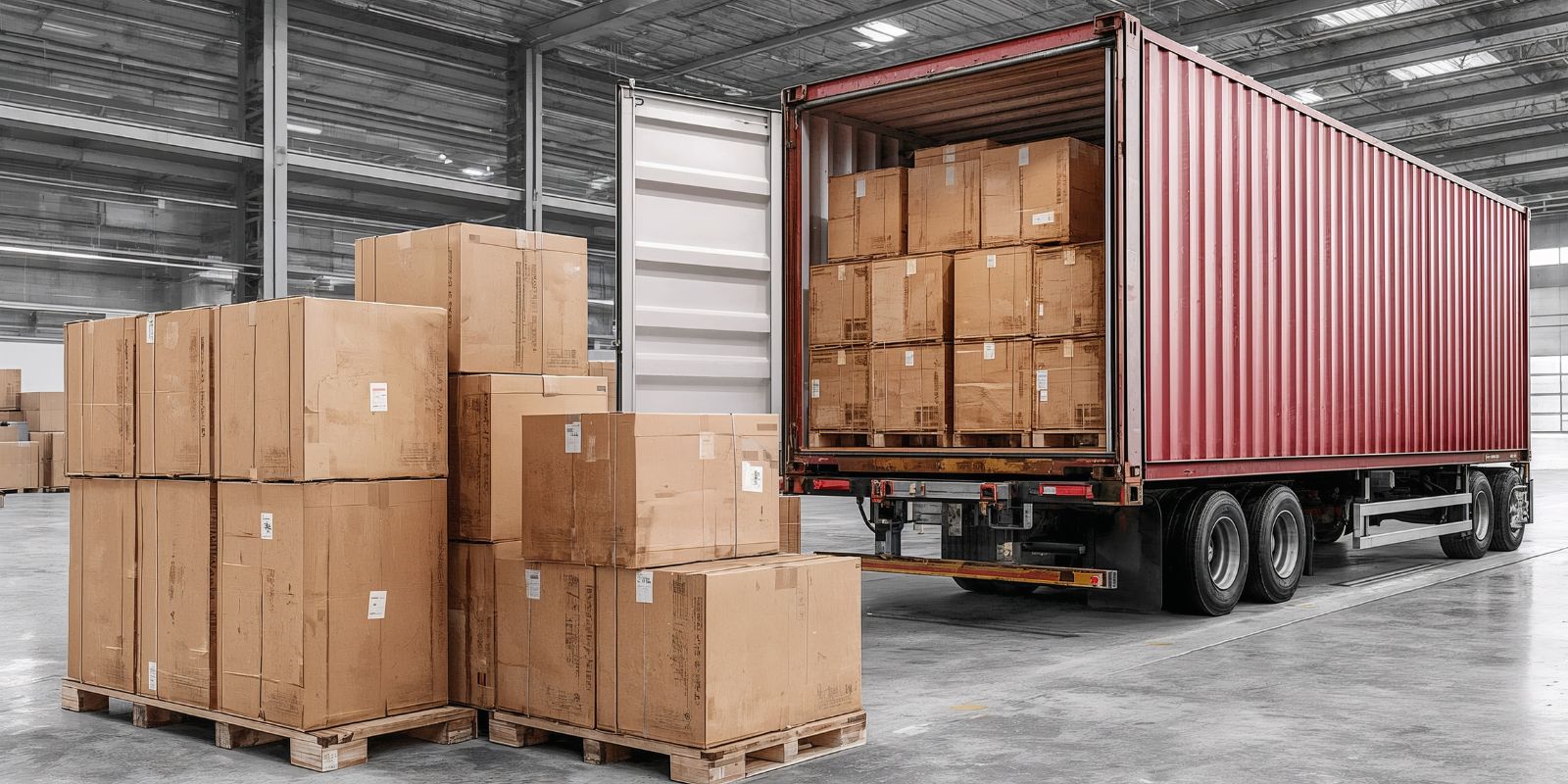
The logistics industry is undergoing rapid transformation driven by e-commerce growth, same-day delivery expectations, and expanding global supply chains. To keep up with this pace, logistics companies must remain flexible, scalable, and operationally efficient. One of the most effective strategies to achieve this is by adopting on-demand manpower solutions.
On-demand manpower enables logistics organizations to access skilled and semi-skilled workers whenever needed—without the burden of long-term employment costs. This flexible workforce model is becoming essential for logistics providers aiming to expand operations while controlling expenses and maintaining service quality.
This article explores how on-demand manpower supports logistics expansion, its key benefits, applications, challenges, and future trends shaping the industry.
The Growing Demand for Logistics Flexibility
Modern logistics operations face fluctuating demand. Peak seasons such as festivals, holiday sales, and promotional campaigns often require a sudden surge in manpower. Conversely, off-peak periods may require fewer workers. Traditional hiring models struggle to match this variability.
On-demand manpower provides a dynamic workforce that scales according to business needs. Instead of hiring permanent staff for temporary spikes, logistics firms can engage workers only when necessary—ensuring efficiency without overspending.
What is On-Demand Manpower in Logistics?
On-demand manpower refers to a flexible staffing model where workers are hired temporarily or project-based to meet immediate operational needs. These workers may be deployed for:
- Warehouse operations
- Sorting and packaging
- Inventory management
- Last-mile delivery support
- Loading and unloading
Staffing partners typically manage recruitment, compliance, payroll, and workforce scheduling, allowing logistics companies to focus on core operations.
How On-Demand Manpower Drives Logistics Expansion
1. Rapid Scalability
As logistics companies expand into new regions or add new warehouses, they require an immediate workforce. On-demand manpower ensures fast deployment of trained workers, enabling seamless scaling without delays.
2. Cost Optimization
Permanent staffing involves long-term costs such as salaries, benefits, training, and statutory compliance. On-demand manpower reduces these fixed costs by converting them into variable expenses aligned with business activity.
3. Improved Operational Efficiency
With skilled workers available on short notice, logistics operations can avoid bottlenecks during high-demand periods. Faster order processing and reduced delivery timelines improve customer satisfaction and brand reputation.
4. Focus on Core Competencies
Outsourcing manpower management allows logistics leaders to focus on strategic initiatives such as network expansion, technology adoption, and customer experience improvements.
Key Applications of On-Demand Manpower in Logistics
Warehouse Operations
From picking and packing to inventory control, on-demand workers ensure warehouses operate smoothly during volume spikes.
Transportation and Distribution
Temporary drivers, helpers, and loaders help manage delivery surges and ensure timely dispatch.
Last-Mile Delivery Support
As e-commerce grows, last-mile delivery becomes critical. On-demand manpower enables companies to manage fluctuating delivery volumes efficiently.
Reverse Logistics
Returns handling requires additional workforce during peak seasons. On-demand staff ensure returned goods are processed quickly and accurately.
Challenges Addressed by On-Demand Manpower
- Seasonal demand fluctuations
- Labor shortages
- High employee turnover
- Rising operational costs
- Compliance complexities
On-demand staffing partners address these challenges through workforce planning, compliance management, and continuous training programs.
Technology and On-Demand Workforce Management
Digital platforms now enable real-time workforce tracking, performance monitoring, and scheduling. Advanced analytics help forecast manpower requirements, ensuring optimal workforce allocation and reduced downtime.
Future Trends in Logistics Staffing
- AI-driven workforce planning
- Gig-based logistics workforce models
- Skill-based staffing platforms
- Automation-supported manpower deployment
These trends will further integrate on-demand manpower into logistics expansion strategies.
Conclusion
On-demand manpower has become a strategic enabler for logistics companies aiming to expand rapidly while maintaining operational efficiency. By offering scalability, cost control, and access to skilled labor, this workforce model empowers logistics organizations to meet market demands with agility.


