
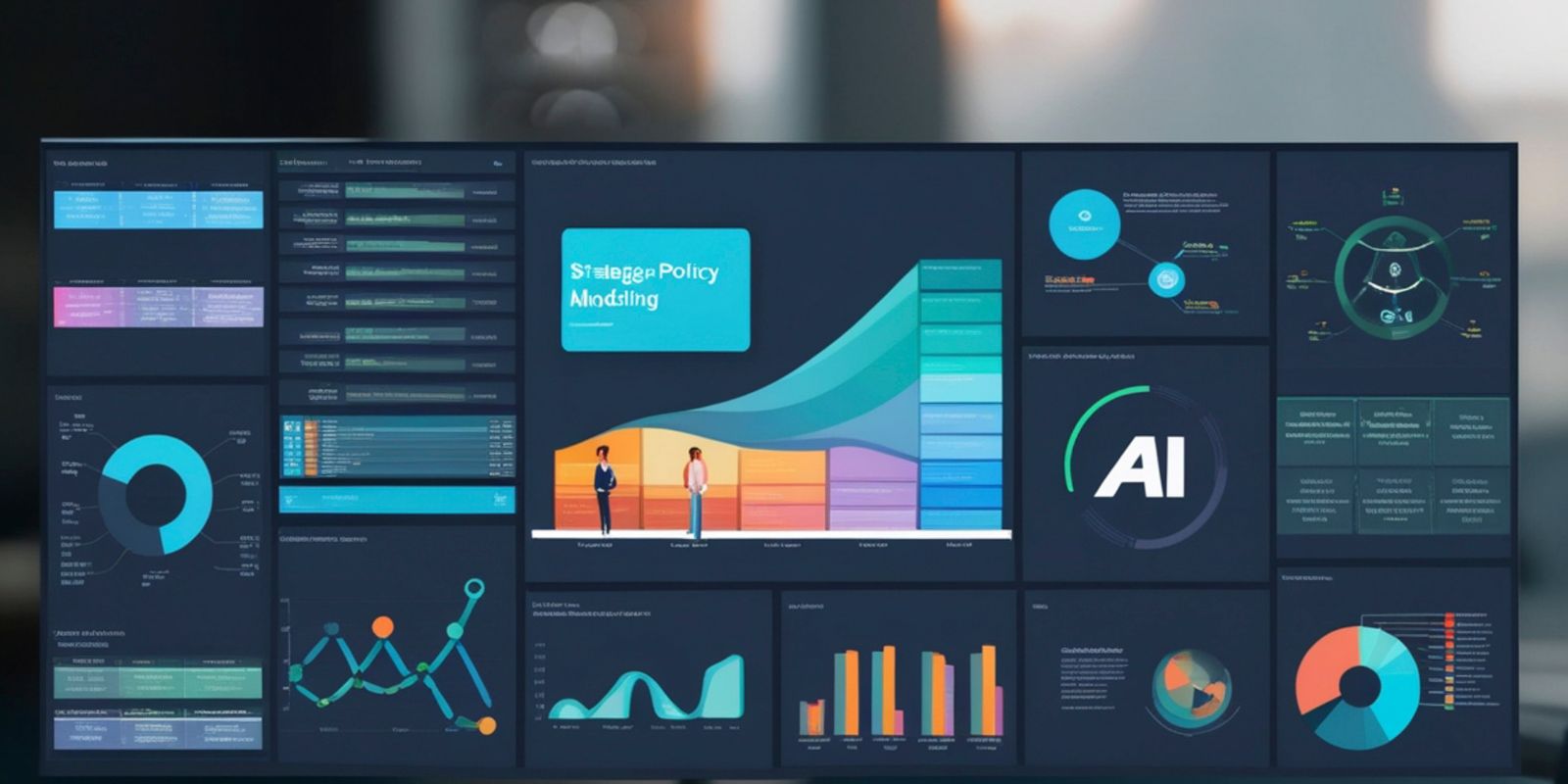
In today’s data-driven world, organizations can no longer rely on intuition alone to manage their workforce. With rapid digital transformation, remote work models, and evolving employee expectations, business leaders must make faster and smarter decisions. This is where workforce analytics for business decisions becomes a powerful strategic tool.
Workforce analytics uses employee data, performance metrics, and predictive insights to help organizations align people strategies with business goals. It enables leaders to identify risks, improve productivity, enhance employee engagement, and drive long-term growth. As competition increases across industries, companies that use workforce analytics gain a significant edge over those that depend on traditional HR methods.
What Is Workforce Analytics?
Workforce analytics is the practice of collecting, analyzing, and interpreting employee data to guide strategic business decisions. It goes beyond simple HR reporting and focuses on understanding trends, predicting future workforce needs, and measuring the impact of people strategies on organizational performance.
Key data sources include:
- Employee demographics
- Performance evaluations
- Attendance and absenteeism
- Recruitment and hiring data
- Training and development metrics
- Employee engagement surveys
By converting raw data into actionable insights, workforce analytics helps businesses optimize their workforce and reduce operational risks.
Why Workforce Analytics Matters for Business Decisions
Modern businesses operate in dynamic environments where quick, accurate decisions are essential. Workforce analytics provides a clear picture of what is happening inside the organization and why.
1. Improves Hiring Quality
Analytics identifies which recruitment channels, skills, and candidate profiles deliver the best results. Companies can reduce time-to-hire, lower recruitment costs, and improve employee fit.
2. Reduces Employee Turnover
By analyzing patterns in resignations, performance drops, or engagement scores, organizations can predict attrition risks and take proactive steps to retain top talent.
3. Boosts Productivity
Workforce analytics highlights performance gaps, workload imbalances, and training needs. Leaders can reallocate resources effectively and increase overall efficiency.
4. Supports Strategic Planning
Data-driven workforce forecasting ensures that businesses have the right skills available to meet future demands and expansion plans.
Types of Workforce Analytics
Understanding the different types of analytics helps businesses choose the right approach.
Descriptive Analytics
Shows what has happened using historical data.
Example: Monthly attrition rates or attendance trends.
Diagnostic Analytics
Explains why something happened.
Example: Identifying reasons behind a sudden increase in resignations.
Predictive Analytics
Forecasts future trends based on patterns.
Example: Predicting which employees may leave within the next six months.
Prescriptive Analytics
Recommends actions to improve outcomes.
Example: Suggesting retention strategies for high-risk departments.
How Workforce Analytics Drives Smarter Decisions
Data-Backed Leadership
Leaders gain clarity and confidence when decisions are supported by evidence instead of assumptions.
Performance Optimization
Organizations can track key metrics such as output, efficiency, and skill gaps, allowing them to continuously improve.
Better Resource Allocation
Workforce data shows where investments in training, hiring, or restructuring will have the highest impact.
Improved Employee Experience
Insights from engagement data help HR teams design better work environments and policies.
Key Metrics Used in Workforce Analytics
- Time-to-hire
- Cost-per-hire
- Employee engagement score
- Absenteeism rate
- Turnover rate
- Performance ratings
- Training ROI
- Diversity metrics
Tracking these indicators enables organizations to link workforce outcomes directly to business performance.
Steps to Implement Workforce Analytics Successfully
1. Define Business Goals
Start with clear objectives such as reducing turnover, increasing productivity, or improving leadership pipelines.
2. Collect Accurate Data
Ensure data from HR systems, surveys, and performance tools is clean and reliable.
3. Choose the Right Tools
Use analytics platforms that integrate HR data with business intelligence systems.
4. Build Analytical Skills
Train HR teams and managers to interpret data and apply insights to daily decisions.
5. Act on Insights
Analytics only delivers value when insights are translated into action plans and measurable outcomes.
Challenges and Solutions
Data Privacy Concerns
Ensure compliance with data protection regulations and maintain employee trust.
Poor Data Quality
Regular audits and standardized data collection improve accuracy.
Resistance to Change
Educate leaders on the benefits of analytics to encourage adoption.
Future of Workforce Analytics
As artificial intelligence and machine learning evolve, workforce analytics will become more predictive and real-time. Businesses will gain the ability to anticipate skills shortages, personalize employee development, and design smarter workforce strategies.
Conclusion
Workforce analytics for business decisions is no longer optional—it is a necessity. Organizations that leverage workforce data gain clarity, agility, and a competitive advantage. By understanding people through analytics, businesses can make informed decisions that drive productivity, reduce risks, and build a future-ready workforce.


