
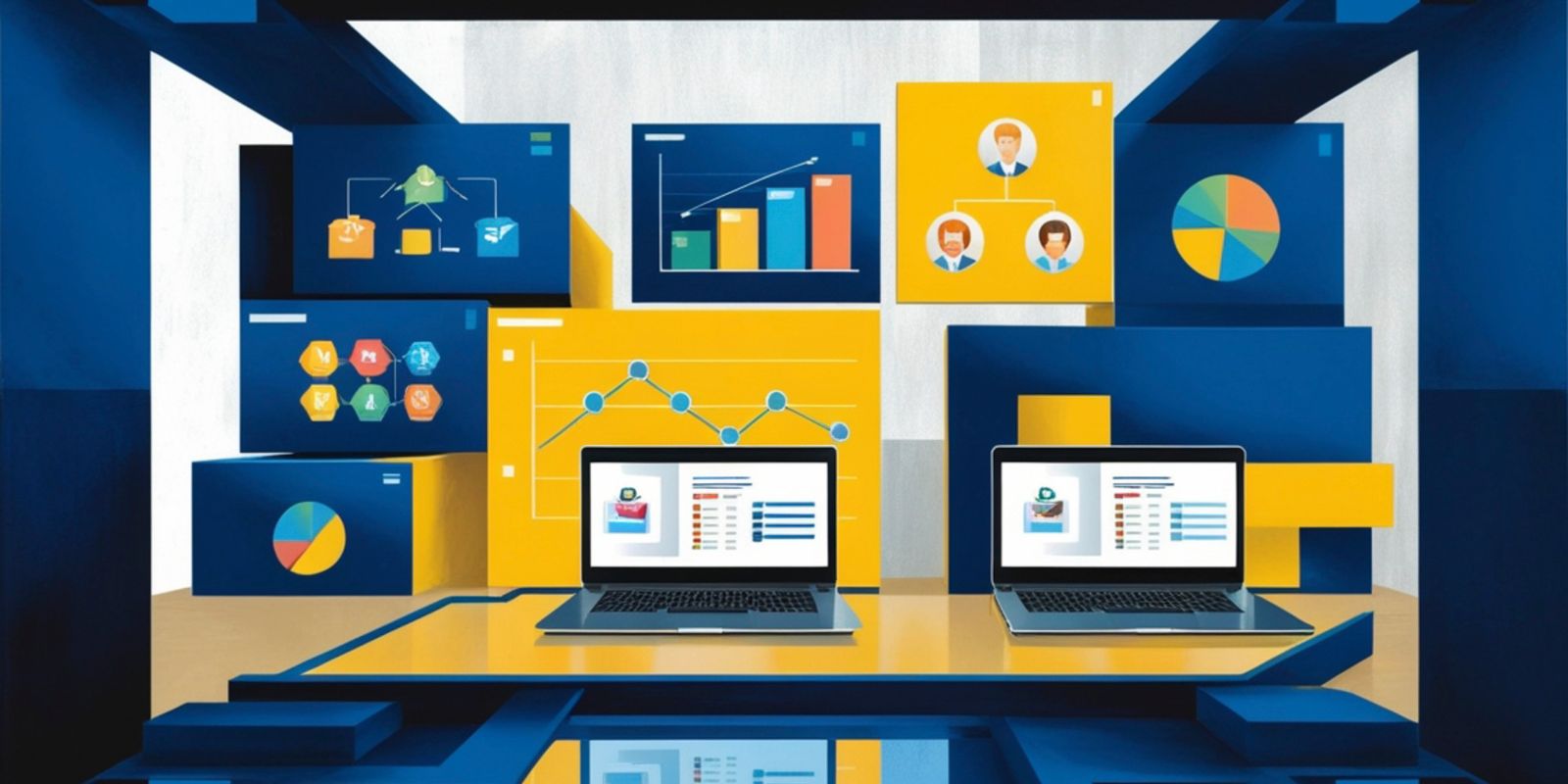
In today’s fast-changing business environment, organizations can no longer rely on intuition alone to make workforce decisions. Markets shift rapidly, technologies evolve overnight, and employee expectations continue to rise. To stay competitive, businesses must predict, adapt, and plan their workforce with precision. This is where people analytics for workforce planning becomes a powerful strategic tool.
People analytics transforms raw employee data into meaningful insights that guide smarter decisions. From predicting skill shortages to reducing turnover and improving productivity, analytics-driven workforce planning helps organizations build resilient, future-ready teams.
Understanding People Analytics
People analytics refers to the collection, analysis, and interpretation of employee-related data to improve organizational outcomes. It combines HR data with business metrics to identify trends, predict risks, and optimize workforce strategies.
Unlike traditional HR reporting, which focuses on historical data, people analytics emphasizes predictive and prescriptive insights. This allows leaders to anticipate challenges before they arise and respond with confidence.
Why Workforce Planning Needs Analytics
Workforce planning ensures that the right people with the right skills are in the right roles at the right time. Without analytics, workforce planning becomes reactive and inefficient.
With people analytics, organizations can:
- Forecast future talent needs
- Identify skills gaps
- Optimize staffing levels
- Reduce hiring costs
- Improve employee retention
By using real-time data, companies gain clarity into workforce trends and can make informed decisions aligned with business goals.
Key Data Sources for People Analytics
Effective people analytics relies on diverse and accurate data sources, including:
- HR information systems (employee records, roles, salaries)
- Performance management data
- Recruitment metrics
- Learning and development records
- Engagement and satisfaction surveys
- Attendance and productivity data
When integrated, these data sources provide a holistic view of the workforce.
How People Analytics Supports Workforce Planning
1. Predicting Talent Demand
People analytics uses historical trends and business forecasts to predict future workforce needs. By analyzing growth patterns, retirement rates, and turnover data, organizations can anticipate talent shortages and plan recruitment strategies in advance.
2. Identifying Skills Gaps
Analytics helps map current employee skills against future business requirements. This allows organizations to focus on reskilling and upskilling initiatives instead of costly external hiring.
3. Improving Recruitment Effectiveness
Data-driven hiring reveals which channels attract top performers, how long it takes to fill roles, and which candidates are most likely to succeed. This leads to better hiring decisions and lower recruitment costs.
4. Reducing Employee Turnover
By analyzing engagement levels, performance patterns, and exit data, people analytics can predict turnover risks. HR teams can then implement targeted retention strategies.
5. Enhancing Productivity
Workforce analytics identifies high-performing teams and highlights factors that drive success. Organizations can replicate best practices across departments to boost productivity.
The Strategic Value of People Analytics
People analytics elevates HR from a support function to a strategic business partner. Leaders can use workforce data to align talent strategies with organizational goals. This ensures that every workforce decision contributes to growth, innovation, and sustainability.
Overcoming Common Challenges
Despite its benefits, many organizations face obstacles when implementing people analytics:
- Data Silos: HR data often exists in disconnected systems. Integration is essential.
- Data Quality Issues: Inaccurate or outdated data leads to poor insights.
- Skill Gaps in HR Teams: Analytical capabilities must be developed.
- Privacy and Compliance: Ethical use of employee data is critical.
Addressing these challenges requires strong governance, technology investment, and leadership commitment.
Best Practices for Successful Implementation
- Start with Clear Goals: Define what you want to achieve through analytics.
- Integrate Data Systems: Ensure seamless data flow across platforms.
- Invest in Tools: Use modern HR analytics software and dashboards.
- Build Analytical Skills: Train HR professionals in data interpretation.
- Promote Data Culture: Encourage leaders to base decisions on insights.
The Future of Workforce Planning
As artificial intelligence and machine learning evolve, people analytics will become even more powerful. Organizations will be able to simulate workforce scenarios, predict skill demands, and design agile talent strategies.
In a competitive global market, those who embrace analytics-driven workforce planning will gain a decisive advantage.
Conclusion
People analytics for workforce planning is no longer optional—it is essential. By transforming employee data into actionable insights, organizations can predict challenges, optimize talent strategies, and build a workforce that is ready for the future. Companies that adopt people analytics today will be the ones that lead tomorrow.


